Asbestos fibers can stay airborne for 48 to 72 hours, depending on the home's ventilation. Fibers can linger longer in enclosed spaces with poor airflow. Because the fibers are microscopic, they can easily remain suspended, making them difficult to detect without professional equipment.
No, not all popcorn ceilings have asbestos, but a vast majority do. The Environmental Protection Agency (EPA) banned its use in 1973, although it still may have been used up through the early ‘90s. But, in general, homes built or remodeled before the early ‘80s likely utilized materials with asbestos. That being said, a professional test is the only way to determine for sure.
Knob and tube wiring is an older type of electrical wiring that's no longer used and generally not considered safe. However, some homes still have it, or may have a knob and tube wiring system that was incorrectly modified or rigged to work with a modern electrical system. Knob and tube wiring may contain asbestos insulation, but the only way to know is to have the material professionally tested.
Asbestos is a carcinogen, meaning it increases the risk of cancer. Inhaling asbestos fibers is linked to several respiratory issues, including asbestosis, or scarring on the lungs, lung cancer, and mesothelioma, another type of cancer. There's also a link between asbestos exposure and an increased risk of colon cancer and other cancers of the digestive system.
Usually, the people most at risk for disease related to asbestos exposure are those who spend a lot of time working around the material without protection. Electricians who work with asbestos wire have a higher risk of developing mesothelioma or lung cancer due to their exposure.
Since the EPA partially banned asbestos in 1989, it is no longer used to manufacture new siding in the United States; production had largely ceased by the early 1980s. Many other countries, such as Canada, Iceland, and Denmark, also have bans on asbestos. However, asbestos siding is still present in many homes built before the late 1980s. The only definitive way to know if your siding contains asbestos is to have it professionally lab-tested.
The Livingston, CA homeowners’ guide to percolation testing services
From average costs to expert advice, get all the answers you need to get your job done.
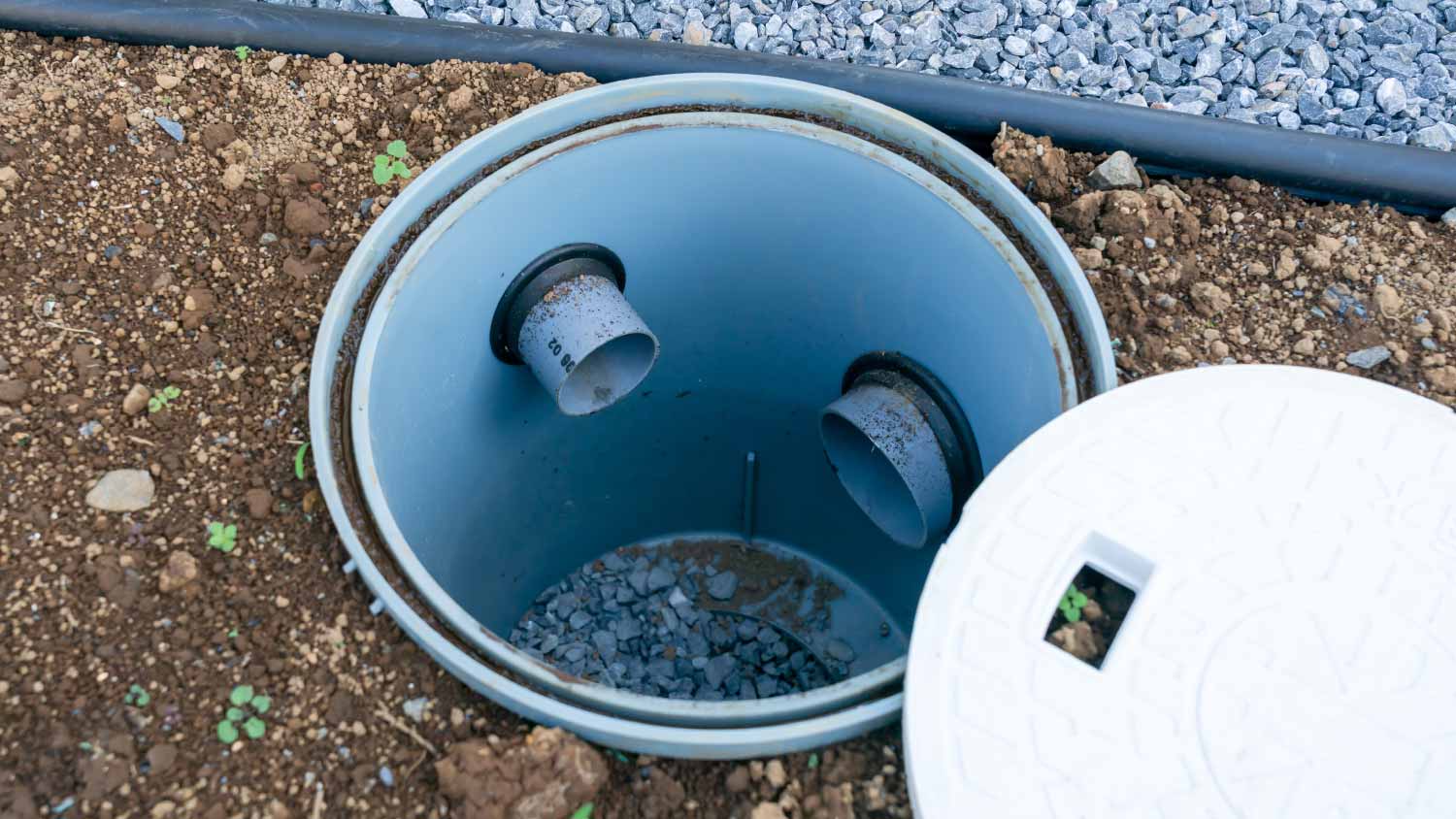
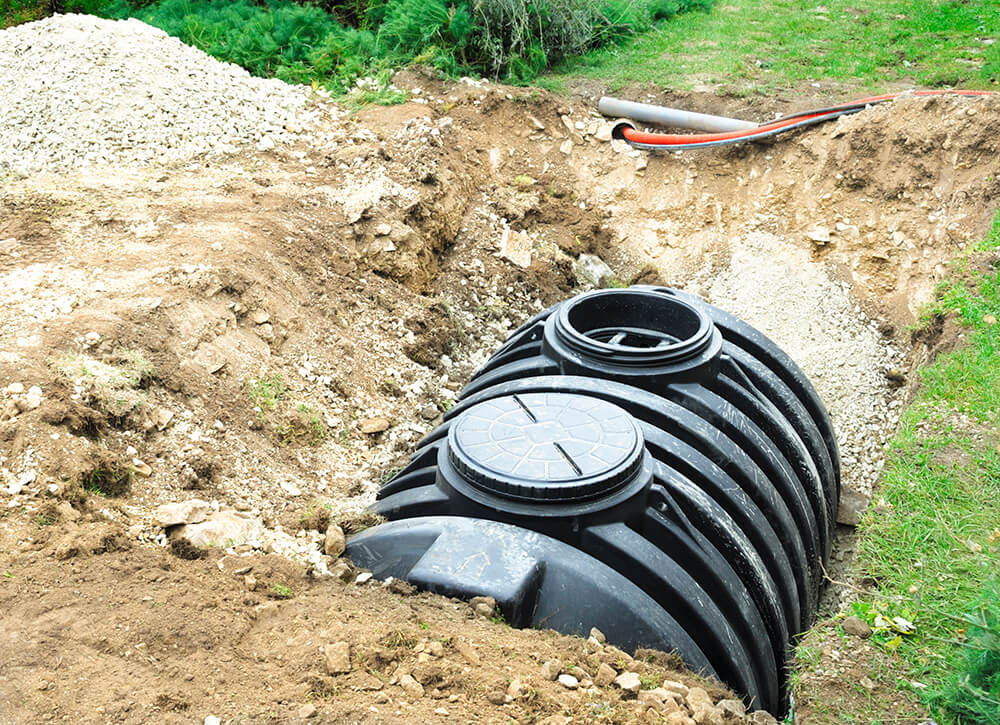
Most building projects and septic installations require soil testing to ensure proper drainage. Learn how much a perc test costs and what affects costs.
A perc test for septic analyzes the absorption rate of the soil where a tank is going to be installed. Learn more about the test, cost, and passing grades.