



Top-rated welders.

Get matched with top welders in Laytonville, CA

Enter your zip and get matched with up to 5 pros

Need a pro for your welding project in Laytonville, CA?

Select your specific project to find the pro for you.

Find Welders in Laytonville

South County Welding
New to Angi
Metal Stairs and Railings - RepairMetal Structure or Object - Create CustomMetal Structure or Object - Weld or Cut+3 more

Serving Laytonville, CA and surrounding areas

In business since 2010

Free estimates

Our company invites you to experience prompt service and superior attention to detail. Our customer satisfaction is our top priority. We will earn your trust for a lifetime. We believe in making all clients repeat clients. You can be assured you're in good hands with our company working on your home improvement project. If you are looking for a contractor that follows business practices such as promptly returning phone calls, arriving on time for appointments and following through on promises then call our reputable company today We will be the one and only contractor you'll ever need. Call us today you'll be pleased you did. Thank you

Welding questions, answered by experts

The cost to weld aluminum averages about $14 to $22 per pound. The type of metal factors into the overall cost of any welding project due to the cost of the materials and the expertise required to work with it. Some of the most common metals used by welders include:

  • Magnesium alloy: $7–$16 per pound

  • Low-carbon steel: $11–$12 per pound

  • Stainless steel: $13–$15 per pound

  • Copper/brass: $24–$29 per pound

  • Cast iron: $38–$79 per pound

  • Titanium: $60–$85 per pound

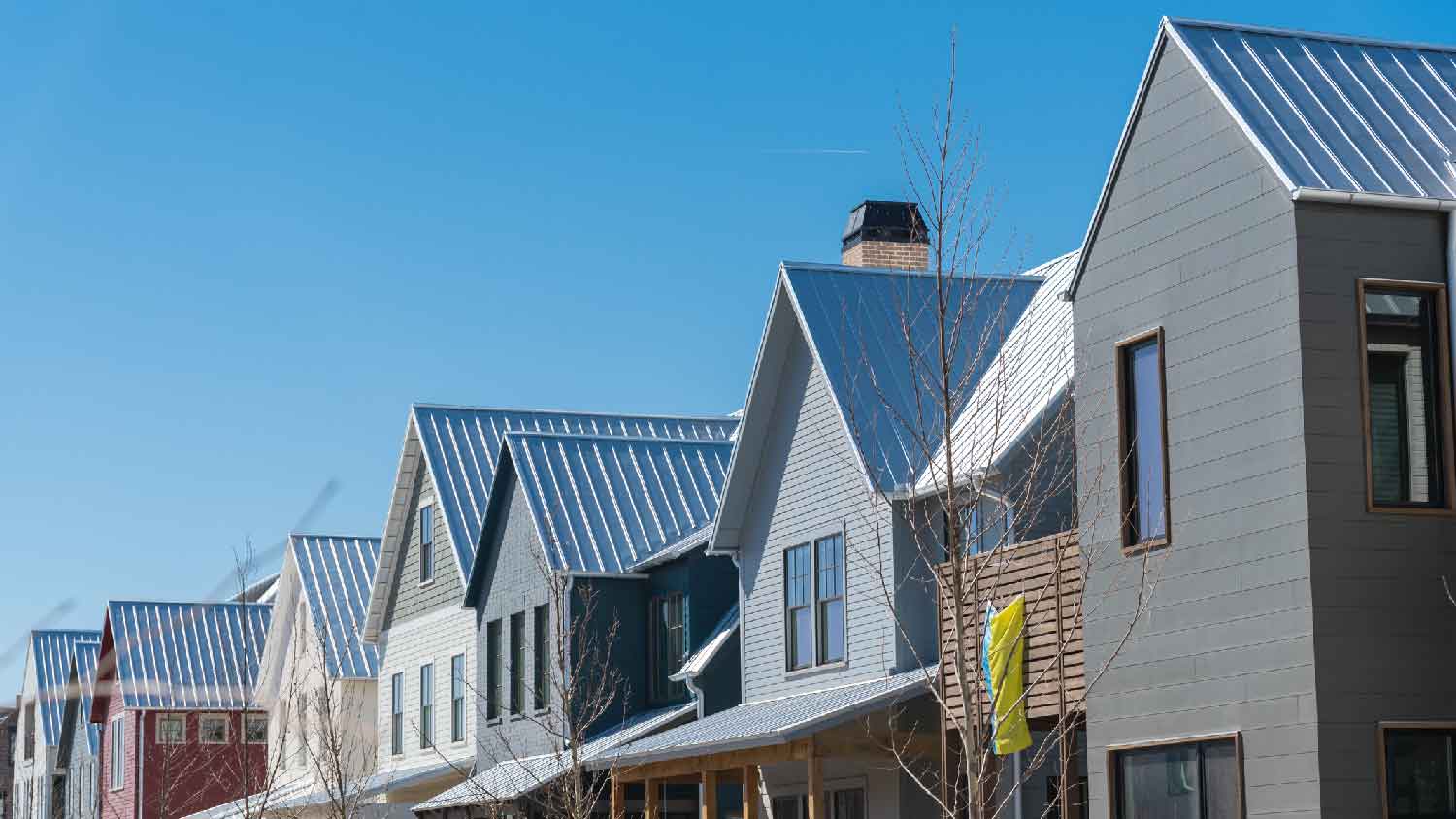
While a high-speed circular saw will cut through metal, and even cut through multiple sheets at once, the fast-spinning saw blades create a lot of heat. This heat can damage paint and other protective coatings, leading to serious problems like rust over time. The cost to paint a metal roof again to avoid this damage is typically an additional $0.50 to $1 per square foot.

Yes, but you’ll need reliable steel-cutting tools and safety gear to get started. Shipping containers are typically around ¾ inch thick, so it’s entirely possible to cut through them, but experience and the right equipment are very important. When possible, try to get a container as close to the size you want it as possible.

To maintain custom or fabricated metal structures and extend their lifespan and appearance, perform regular cleaning, apply rust prevention treatments, and use protective coatings.

Cutting round ductwork requires precision and the right tools. A duct cutter, specifically designed for circular ducts, is ideal. First, mark the cutting line on the duct using a measuring tape and pencil. Then, position the duct cutter's blade on the marked line. Apply steady pressure, rotating the cutter around the duct. The sharp blade creates a clean, precise cut. Alternatively, a reciprocating saw with a metal-cutting blade can be used for larger round ducts. Ensure the duct is securely held in place while making the cut to prevent slips and maintain accuracy.

The Laytonville, CA homeowners’ guide to welding services

From average costs to expert advice, get all the answers you need to get your job done.