




Top-rated mulch and topsoil pros.

Get matched with top mulch and topsoil pros in Kerman, CA

Enter your zip and get matched with up to 5 pros

Need a pro for your mulch and topsoil service project in Kerman, CA?

Select your specific project to find the pro for you.

Find Mulch and topsoil pros in Kerman

Avatar for CALIFORNIA TURF AND LANDSCAPING
CALIFORNIA TURF AND LANDSCAPING
3.0(
2
)
Landscape - Install Landscaping for Yard or Garden

Serving Kerman, CA and surrounding areas

Approved

Customers say: True professional

"They did a good job. There were a few hiccups but they were all fixed to my satisfaction. They were accommodating for my design and their estimate was fair compared to other estimates I got. They had good reviews from other customers. Good website."
1 neighbors recently requested a quote
Recommended by50%of homeowners
...
Showing 1-10 of 127
Mulch and Topsoil questions, answered by experts

The hydroseed mix—known as a slurry—helps grass seed take root in many ways. Water combines with the mulch, allowing the grass seed to stay moist while grounded in the soil. The extra fertilizer then provides the boost the seed needs to flourish. In just a few weeks, you'll be ready to break out the lawnmower again.

The best size rock for your landscaping depends on the design, as different boulders serve different purposes. If you want to group boulders to create a natural-looking cluster, you’ll need a range of sizes. Otherwise, here are some suggestions:

  • Small boulders (smaller than 12 inches across): Best for landscape edging and fire pits 

  • Medium boulders (12–24 inches): Best for retaining walls and water features

  • Large boulders (more than 24 inches): Best as standalone landscaping features, steps, or walkways.

Of course, you can mix and match sizes to create a unique display.

No one likes running out of materials during a project, so calculating the right amount of gravel needed for your driveway is an absolute must. Multiply your driveway’s length by width by the depth of the gravel (in feet). For gravel depth, convert to a decimal (i.e., 4 inches is 0.33 feet). This will give you the cubic feet of material that you need. 

If you’re looking for cubic yards, divide that above number by 27.

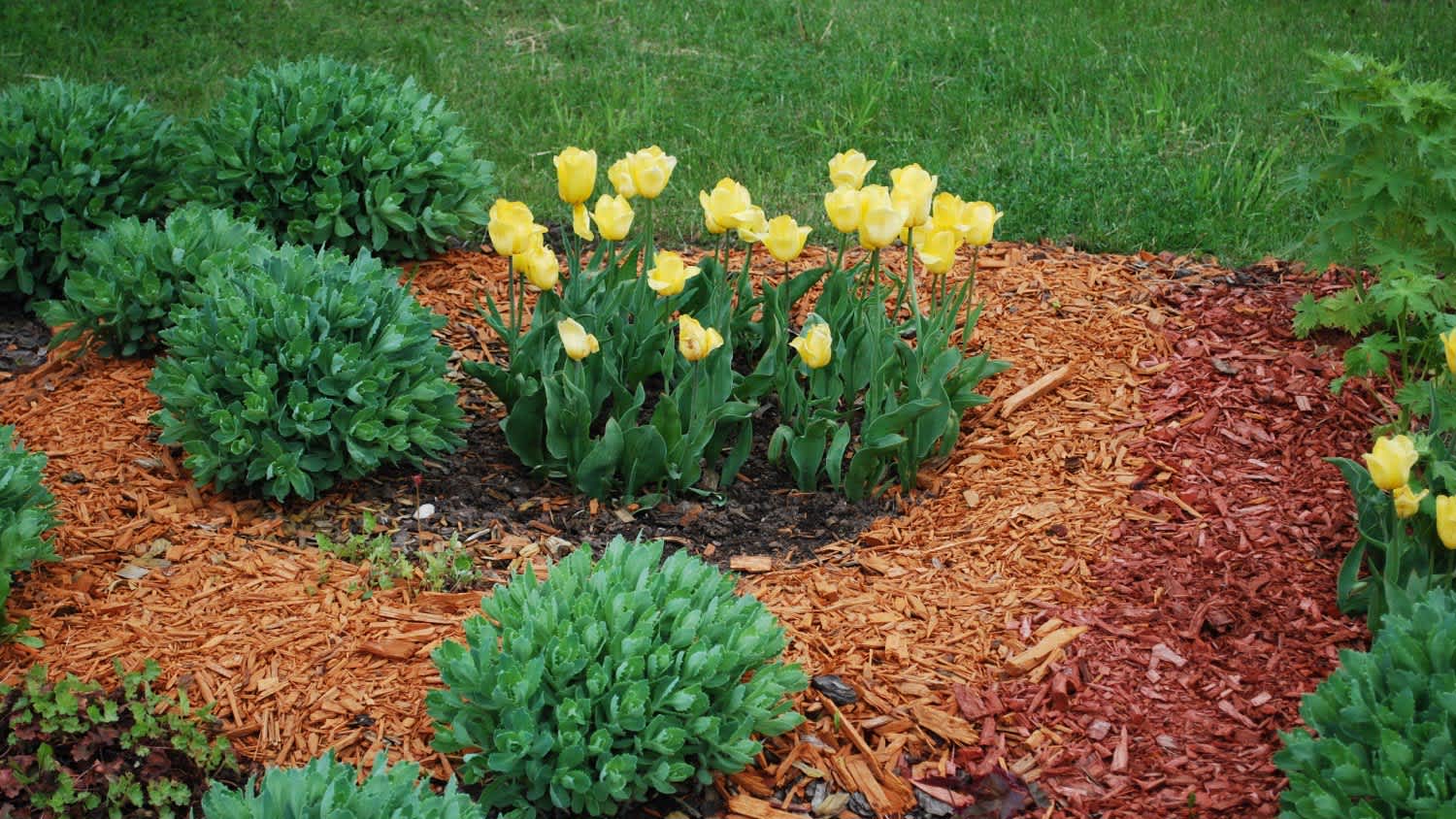
If you’re mulching in the fall, aim to lay down the material right after the first frost, which will vary by climate. Late October and early November are good time ranges to aim for. Try to lay down your mulch after a light rainfall to lock in moisture for root growth through the winter.

The difference between river rock and landscaping rocks is size, smoothness, and use. River rocks are smooth and flat, as if polished by water, and come in diameters between 1 and 8 inches. Landscape rock can vary in size from small pea gravel installations to car-sized boulders. However, landscaping and river rocks are interchangeable in many situations. River rock is best for pathways, walkways, garden bed mulch, water features, and planting accents, while small landscape rocks can serve as a walkway base, gravel playground areas, and filler between pavers.

The Kerman, CA homeowners’ guide to mulch and topsoil services

From average costs to expert advice, get all the answers you need to get your job done.