




Top-rated generator install pros.

Best generator install pros near Kenwood, CA

Enter your zip and get matched with up to 5 pros

Need a pro for your generator install project in Kenwood, CA?

Select your specific project to find the pro for you.

TRUSTED BY KENWOOD, CA HOMEOWNERS

  • Average homeowner rating star icon5
    Average homeowner rating
  • Verified reviews icon10
    Verified generator installs reviews

Top-Rated Generator install pros in Kenwood - Updated Nov 2026

Avatar for Gridwise Electric
Gridwise Electric
5.0(
49
)
Fixed Generator - InstallFixed Generator - RepairGenerator - Install - For Business+3 more

Serving Kenwood, CA and surrounding areas

Approved

In business since 2025

Free estimates

Warranties offered

"Had Gridwise install a transfer switch and inlet box for our portable generator. We lose power a few times a year during wind events and got tired of running extension cords everywhere. Michael handled the install and walked us through exactly how to connect and start the generator when the power goes out. He was patient with all my questions. Permit was pulled and inspection passed first try."
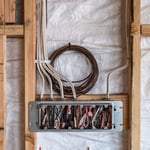
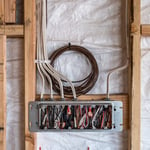
New Home Build Electrical
Construction Electrical

+71

2 neighbors recently requested a quote

Avatar for Gridwise Electric
Gridwise Electric
5.0(
16
)
Portable Generator - RepairFixed Generator - InstallFixed Generator - Repair+3 more

Serving Kenwood, CA and surrounding areas

Approved

In business since 2025

Free estimates

Warranties offered

"Just got a hot tub delivered and needed the electrical run to it. Mark and crew came out and installed a 50-amp GFCI breaker and ran conduit along the side of the house to a disconnect near the tub. Looked way cleaner than I expected. Passed inspection and we were soaking that weekend."
Junction box
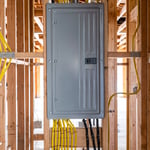
Main panel
Framing phase
Construction Electrical

+3

16 neighbors recently requested a quote
Avatar for AMP-A-NEER
AMP-A-NEER
4.9(
28
)
Portable Generator - Install

Serving Kenwood, CA and surrounding areas

Approved

Super Service Award Winner

In business since 2023

Free estimates

Emergency services offered

"Very quick to respond, excellent customer service skills, completed the job within a couple days from contact, and provided instructions on how to connect our new generator to the power inlet, and how to engage the system. Jestin is a nice young man trying to grow his new business. I am glad to refer him to anyone I know. Thank you Jestin"
Response time3 hrs
Response rate92%
12 neighbors recently requested a quote
Avatar for Sonoma Coast Electric, Inc
Sonoma Coast Electric, Inc
5.0(
7
)
Fixed Generator - InstallGenerator - Install - For BusinessPortable Generator - Install

Serving Kenwood, CA and surrounding areas

Approved

In business since 2024

Free estimates

Warranties offered

"I had 2 ceiling fan/lights installed in the bedrooms. Installation included 2 new circular circuit boxes in each bedroom ceiling. In addition, I replaced the kitchen ceiling light with an LED fixture. The 2 workers were very polite and professional and worked quickly and efficiently, in addition to being respectful of my personal belongings."
Multimeter Test
100 amp Sub Panel
100 amp Sub Panel
Installing Unistrut
Stripping Wire

+3

Response time1 day
Response rate100%
6 neighbors recently requested a quote
...
Showing 1-10 of 85
Generator Install FAQs, answered by experts

In most municipalities, you will need a permit to install a permanent home generator, including emergency backup, partial-home, and whole-home generators. A permit for a generator usually costs between $50 and $250, depending on where you live. Your electrician or certified generator installer will usually pull the permit for you—and might be required to do so by your building department—but you’ll be on the hook for the cost of the permit. You should ask your installer before agreeing to any work if they will pull the necessary permits for your project.

Yes, in some locations, it is required by the National Electric Code (NEC) to have a transfer switch installed for electrical emergencies. In addition to following electrical code, generator transfer switches ensure your home is fully protected during a power outage. By switching the power from the main breaker to the generator breaker, you can seamlessly operate your HVAC, lights, appliances, devices, and more during an emergency. 

To determine the right size generator for your house, you should calculate the total wattage of the appliances and devices you want to power during an outage. List all essential items, note their start-up wattages, and add them together.

Here are some typical wattage requirements for common appliances:

  • Refrigerator: 600 watts

  • Large dehumidifier: 700 watts

  • Large window air conditioner: 1,400 watts

  • Water heater: 3,000 to 4,500 watts

  • Electric furnace: 5,000 to 25,000 watts

A 7,500-watt generator might be sufficient for essentials like a refrigerator, freezer, well pump, and lighting circuits. However, for high-demand items like a water heater or furnace, a whole-home generator is a better choice. A portable generator may be enough if you only need to power a few critical items.

While home square footage can offer a rough estimate, it is not always a reliable indicator. For reference, here are some typical generator sizes based on square footage:

  • 1,000 sq ft: 6–9 kW

  • 1,500 sq ft: 7–10 kW

  • 2,000 sq ft: 10–14 kW

  • 2,500 sq ft: 12–16 kW

  • 3,000 sq ft: 16–20 kW+

For the most accurate sizing, consult a professional who can calculate your home's peak and average power consumption and recommend the optimal generator.

While diesel is relatively stable, it won’t last nearly as long as propane and you may have to replace it if it sits unused for too long. Diesel can sometimes struggle to work efficiently or start engines during especially cold weather, so it’s not the best choice for every climate. Compared to fuels like propane and natural gas, diesel generators tend to be noisier and create more exhaust, which isn’t always ideal for home use.

Energy output depends on turbine size, average wind speed at your site, and system efficiency. A 5 kW turbine in a good wind location can generate 8,000 to 12,000 kilowatt-hours per year, which may cover a large portion of an average home’s needs. Accurate output estimates require a professional wind assessment and a review of your household’s energy usage patterns.

The Kenwood, CA homeowners’ guide to generator installs

From average costs to expert advice, get all the answers you need to get your job done.