When relocating, release a groundhog at least 5 miles from the capture site. This distance helps ensure that the groundhog does not return to your property. Make sure to relocate it to a suitable habitat, such as a wooded area or a place with plenty of ground cover, to increase its chances of survival without disrupting existing wildlife. Additionally, always check local regulations, as relocating wildlife may be restricted or require a permit in some areas.
This varies based on the circumstance. Chemical-based pest control baits and poisons are usually the most potent, but they are unsafe to use around children and pets, so they won’t be a fit for every household.
Safer alternatives, such as boric acid and food-grade diatomaceous earth, can work as well, though they should still stay out of reach. Aside from that, the best thing any DIY-er can do is make their place uninviting by sealing off entry points, eliminating clutter, and maintaining a clean home.
While some pets, especially dogs, may chase rabbits away due to their natural hunting instincts, relying solely on pets to deter rabbits is not foolproof. Some rabbits can become accustomed to the presence of pets over time, and not all pets possess the same level of hunting inclination. What’s more, rabbits can potentially carry serious diseases like Tularemia and E. cuniculi, which they could pass to your pets.
Voles are pretty prolific breeders, managing to squeeze in 5 to 10 litters a year, and each litter usually has around 3 to 5 little ones. These furry creatures are flexible with their love lives, as they can breed all year round, though spring and summer are their prime times. If they're living it up in warmer areas, voles don't take a break and keep reproducing non-stop.
Setting up an animal trap in your yard largely depends on where you live and the type of critter you're dealing with. In many states, trapping nuisance animals like squirrels, rats, or raccoons is allowed, sometimes without needing a permit. However, certain wildlife species are protected, and not all states have lenient catch-and-release regulations.
Before placing a trap, check your local laws to avoid fines or other legal issues. Some areas allow DIY trapping, while others may require professional assistance. Most areas require a professional to relocate the animal once trapped. Consulting a pro ensures you handle the situation responsibly, humanely, and within the law.
The Hoopa, CA homeowners’ guide to animal fencing services
From average costs to expert advice, get all the answers you need to get your job done.
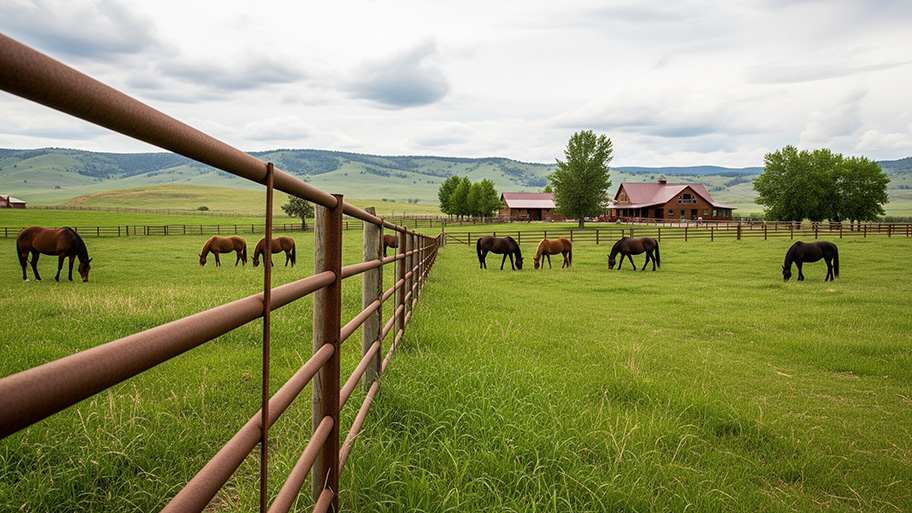
Pipe fencing is an extremely strong, durable option for containing horses and other livestock. This guide breaks down the factors that affect pipe fence cost.