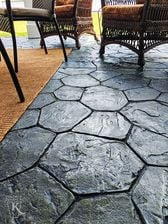
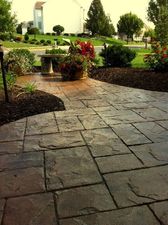
"I recently had the pleasure of working with Just Stamping Concrete for a landscape design project, and I cannot recommend them enough! They are a true gem in the industry, and their work speaks for itself."
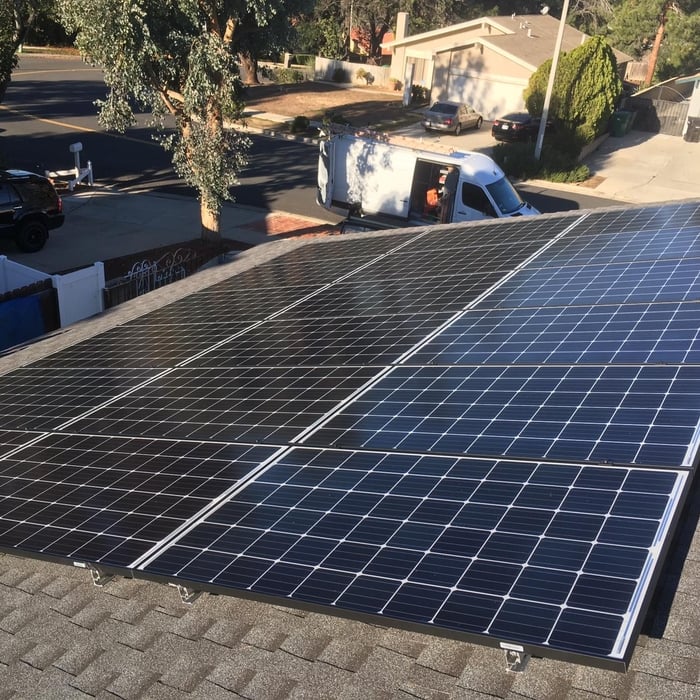
"Mega Power Electric is an excellent company to work with. Gary and his team are knowledgeable, honest, and will go out of their way to get the job done right. We installed panels and solar battery storage unit in our home and we're reaping the benefits of being clean and green."
Welcome to RAMOS CONCRETE. We proudly provide the highest quality of service and craftsmanship for each aspect of your project. Our depth of knowledge and experience solidify our belief that customer service stands as the highest priority. We eagerly look forward to working with you and making your vision a reality. Give us a call, text or email today, and let us get started!
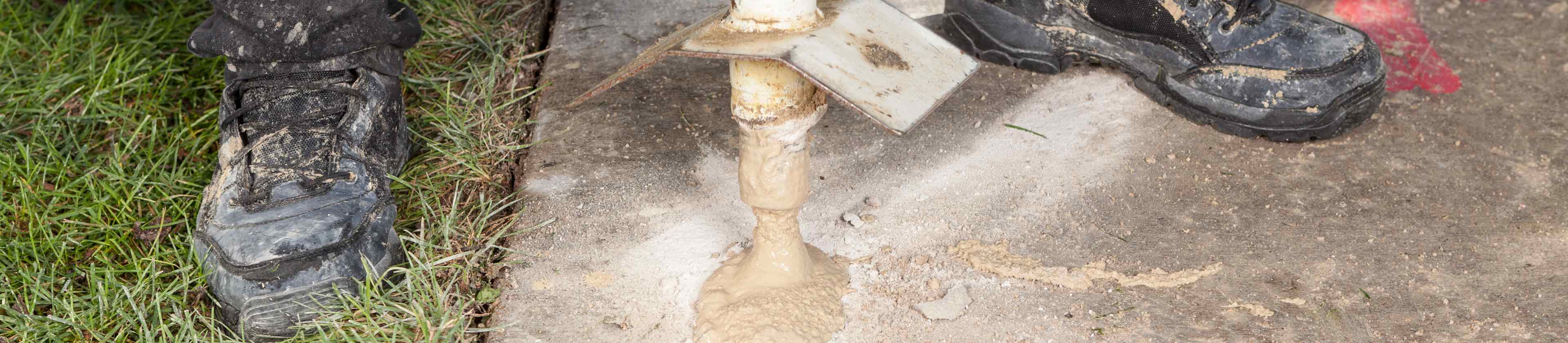
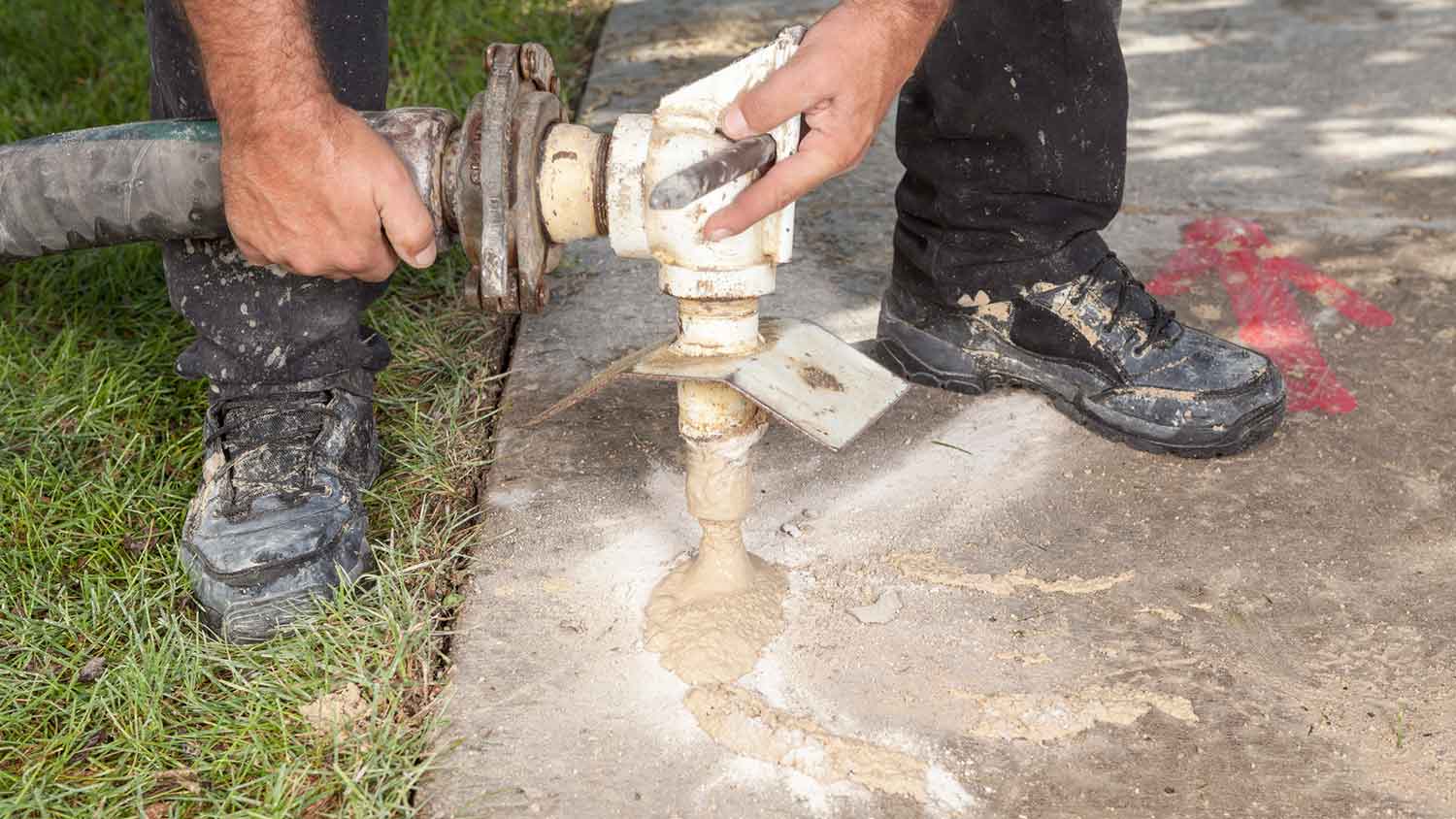
A slurry of cement, sand, and water is injected beneath the concrete to lift and stabilize it.
It’s best not to perform mudjacking in the winter unless the ground temperature remains above freezing. Freezing temperatures can cause the slurry to harden too quickly, compromising its strength and longevity. Concrete is also more susceptible to cracking and splitting in cold temperatures, so there’s a higher risk of damaging the slab during the drilling and lifting process in winter.
Costs range from $500 to $1,500, depending on the size and condition of the area.
Address drainage issues, avoid heavy loads, and seal cracks to prevent future settling.
Common issues with concrete that may require professional repair or resurfacing include cracks, spalling, uneven surfaces, and weather damage.
The Hoopa, CA homeowners’ guide to concrete leveling services
From average costs to expert advice, get all the answers you need to get your job done.
Polished concrete floor costs depend on the size of the area you’re targeting and the style of concrete floor. Our guide breaks down all the cost factors.
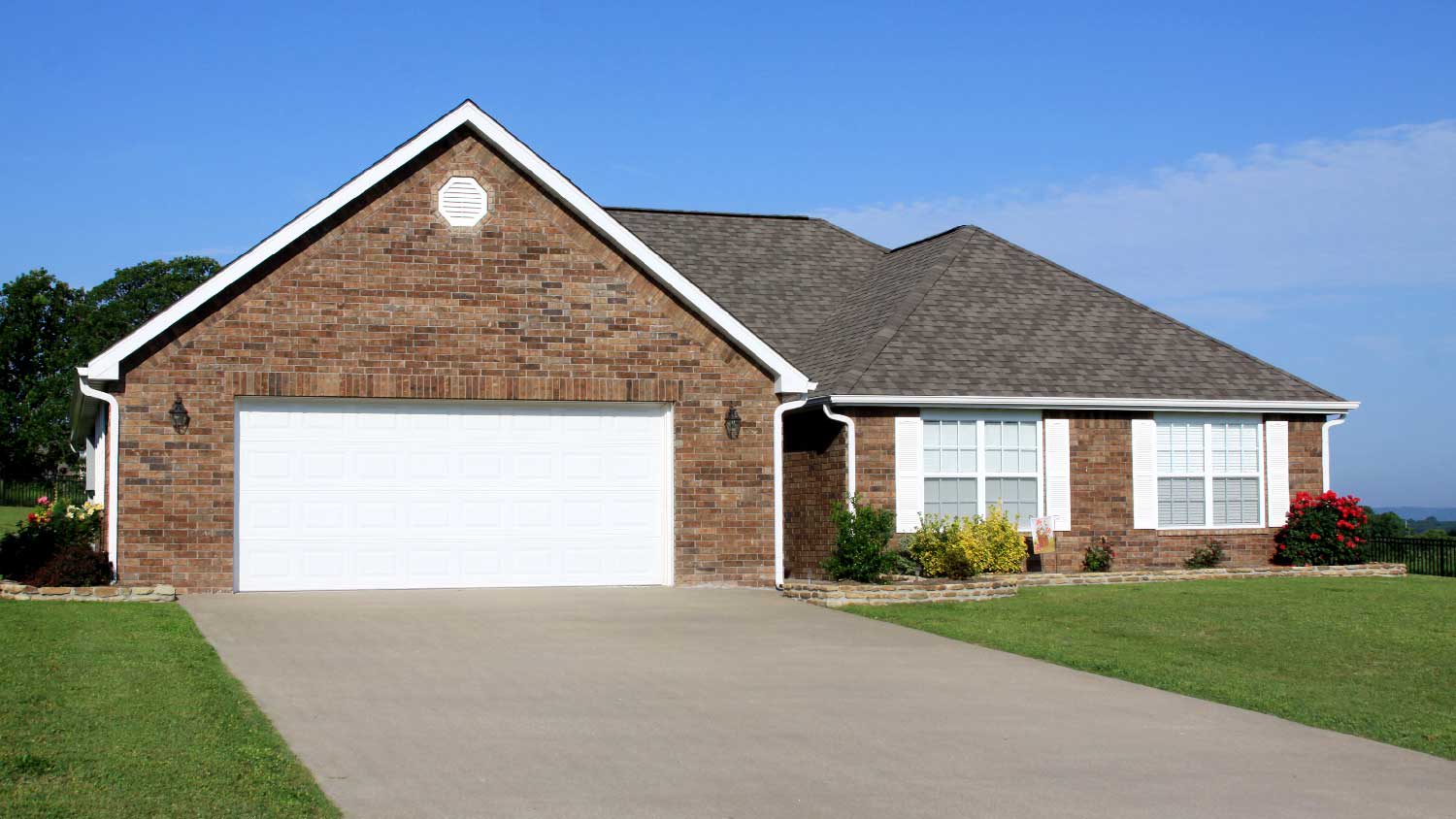
Learn about concrete leveling and how it can fix uneven surfaces, from sunken sidewalks to uneven driveways, and boost your home’s safety and curb appeal.