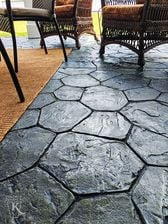
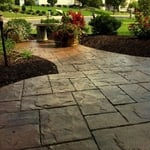
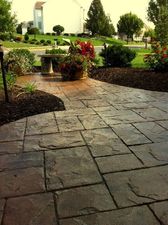
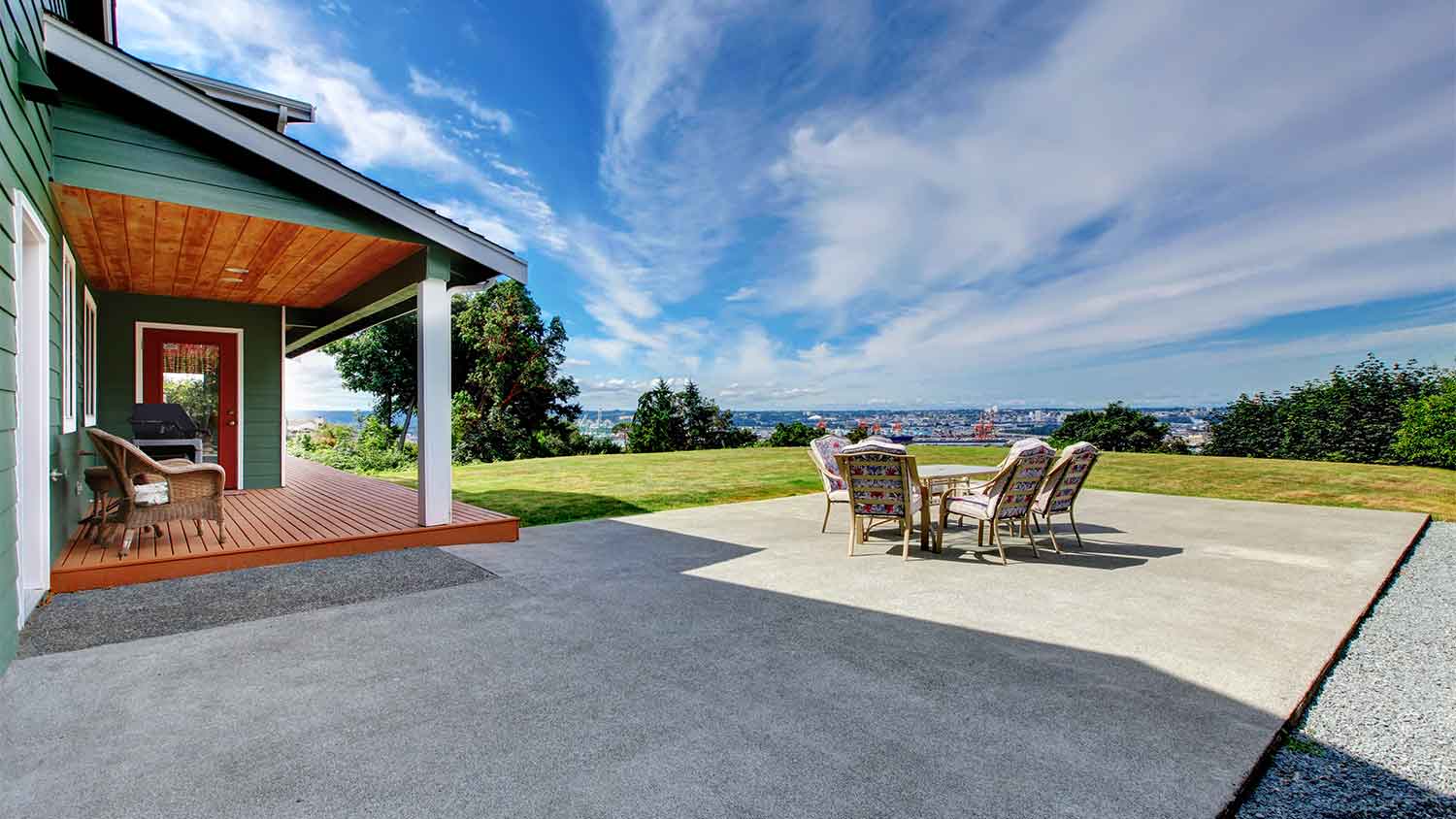
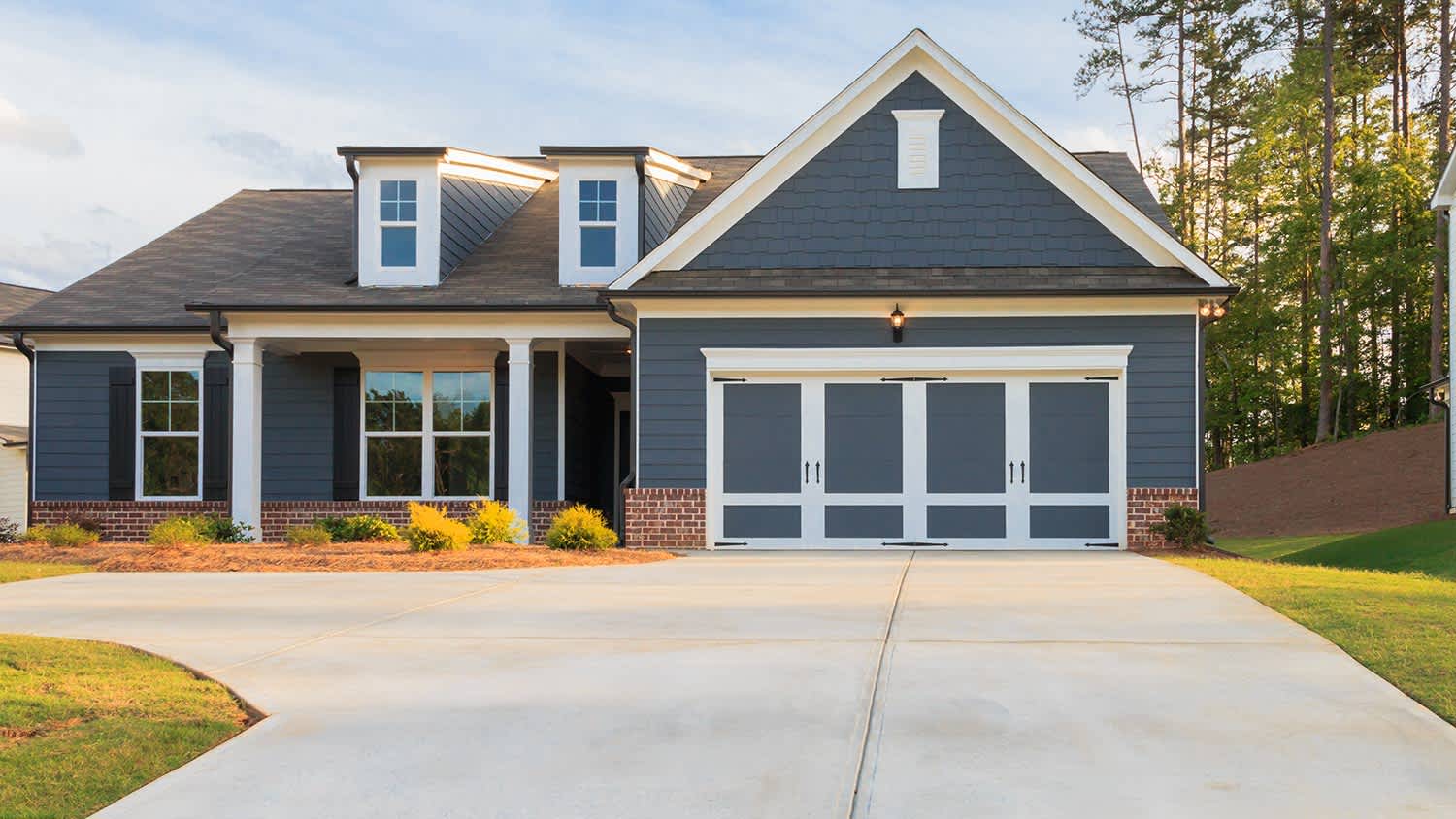
"I hired this service to design my backyard and I couldn't be happier with the outcome. The designer was able to take my vision and turn it into a beautiful reality. They provided a detailed plan and were able to work within my budget. The installation team was professional and the work was completed on time. I highly recommend this service for anyone looking to enhance their outdoor living space."
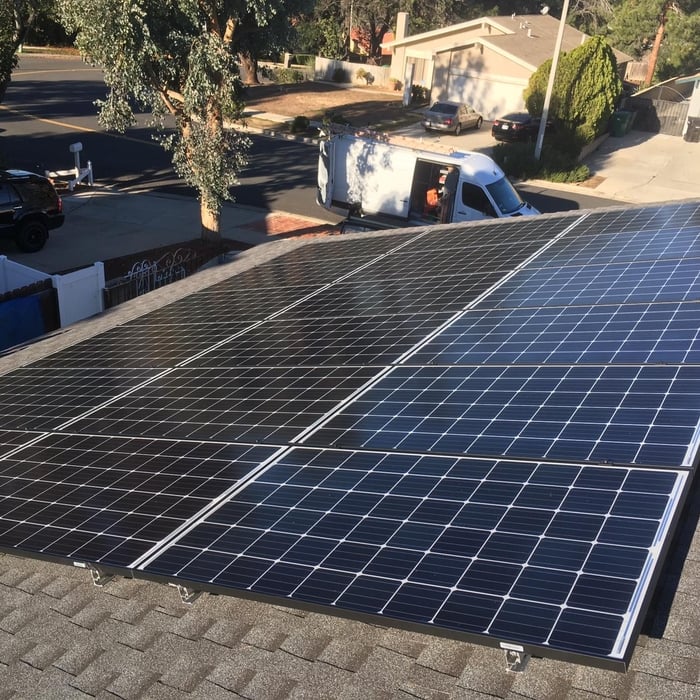
"Mega Power Electric is an excellent company to work with. Gary and his team are knowledgeable, honest, and will go out of their way to get the job done right. We installed panels and solar battery storage unit in our home and we're reaping the benefits of being clean and green."
Welcome to RAMOS CONCRETE. We proudly provide the highest quality of service and craftsmanship for each aspect of your project. Our depth of knowledge and experience solidify our belief that customer service stands as the highest priority. We eagerly look forward to working with you and making your vision a reality. Give us a call, text or email today, and let us get started!
Concrete Mudjacking questions, answered by experts
Polyjacking can be a permanent solution to sunken concrete if you also address the underlying issue—like poor drainage—at the same time. The polyurethane material itself can last as long as or even outlast the concrete you’re lifting it with. Your sunken concrete issue will likely return if you don’t couple polyjacking with proper drainage to prevent future soil movement and sinking.
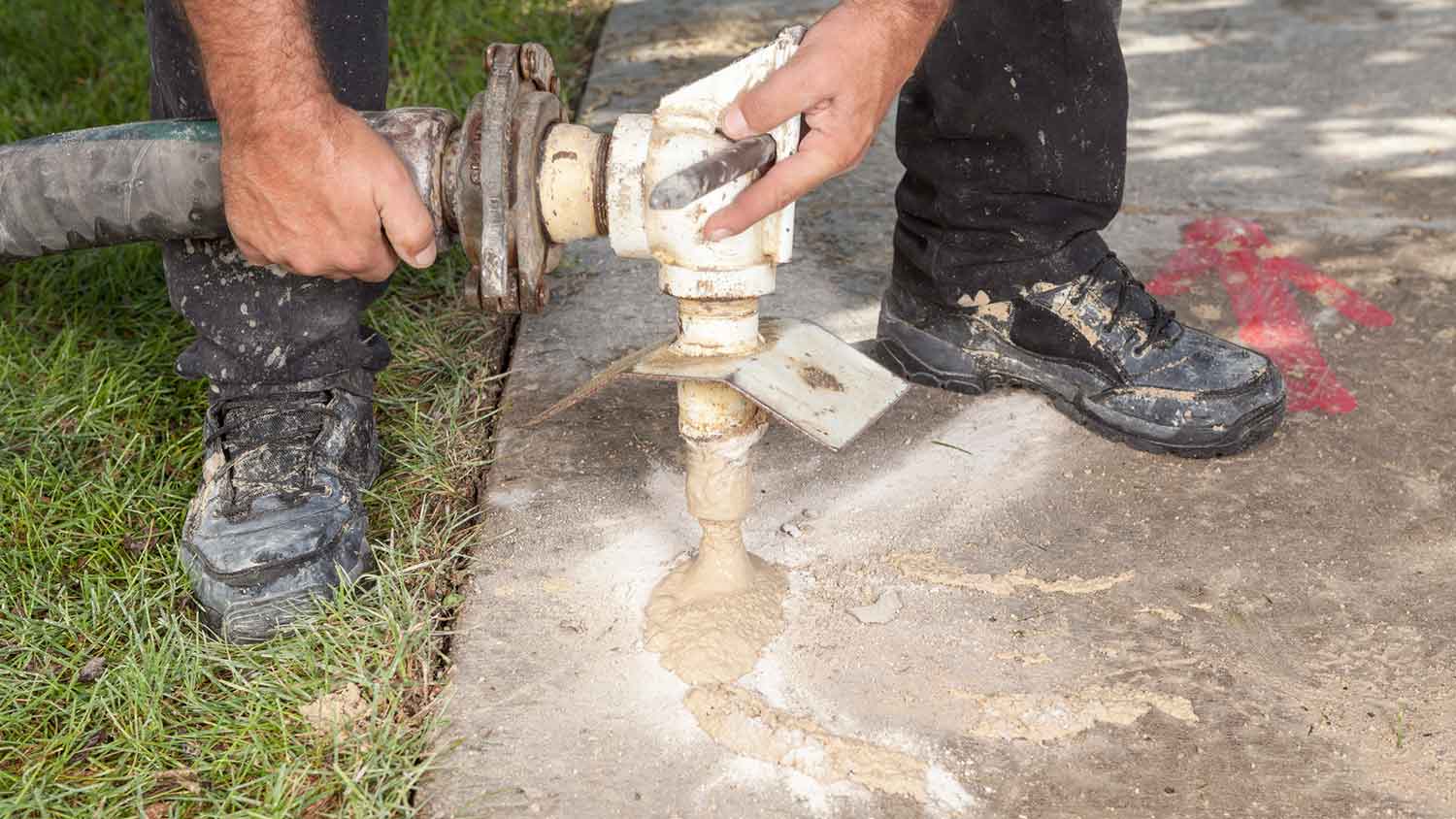
Mudjacking typically takes 24 to 72 hours (one to three days) to dry and cure completely before you can resume normal use. The exact time can vary depending on the size of the project. Because the slurry mixture contains cement, it must fully harden to ensure that added weight from walking, furniture, or vehicles won't shift the concrete slab. A professional contractor can advise you on when the surface is safe to use. For comparison, if you use polyjacking instead, the polyurethane foam can dry in just a few minutes, but it's best to wait about an hour before use.
Pros often use mudjacking or polyurethane foam injection to level a sunken concrete patio. Both methods lift the slab by filling voids beneath it. After properly compacting the soil beneath it to prevent future settling, the concrete may need to be removed and re-poured for severe sinking.
Concrete leveling can last anywhere from five to 10 years or more, and in some cases, it can be a permanent solution. The longevity depends on the method used and whether the underlying cause of the sinking is addressed. For example, mudjacking typically lasts five to 10 years, while polyjacking can last for 20 years or more. It's best to consult a professional for an accurate timeline based on your specific situation and any factors that could cause the issue to recur.
The average cost for mudjacking is around $1,200, though prices can range from $300 to $3,400. On a per-square-foot basis, you can expect to pay between $3 and $8, with an average of about $5 per square foot. The final cost depends on several factors, including the square footage of the concrete, the type of slab, its accessibility, whether it is load-bearing, and the type of material used to lift it. Generally, lifting a driveway, small patio, or sidewalk is less expensive than lifting a slab foundation or garage floor.
The Hoopa, CA homeowners’ guide to concrete mudjacking services
From average costs to expert advice, get all the answers you need to get your job done.
DIY mudjacking is an advanced task, but learning how to raise a concrete slab is great to know for many scenarios. Let's take a look at how to DIY mudjack.