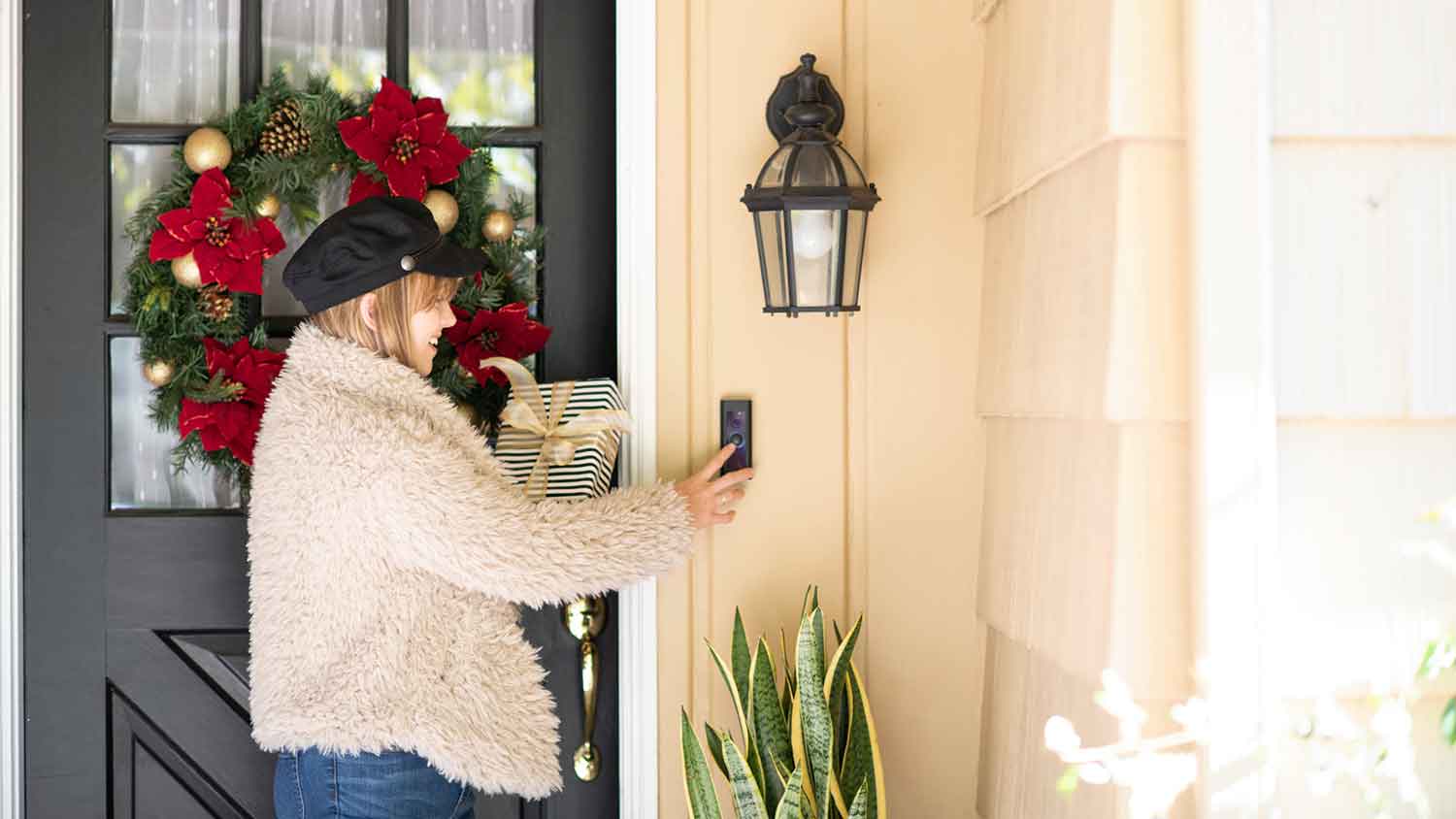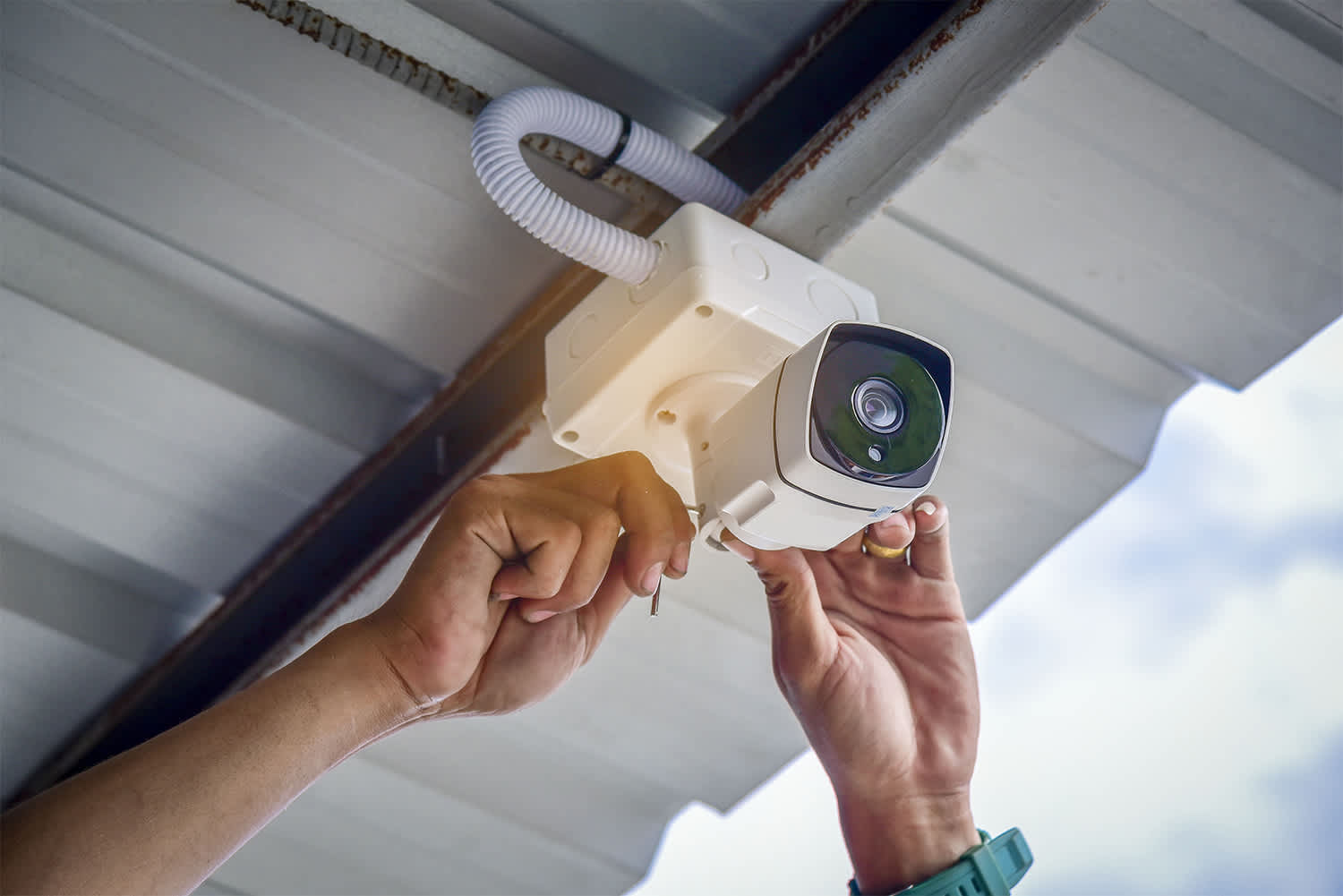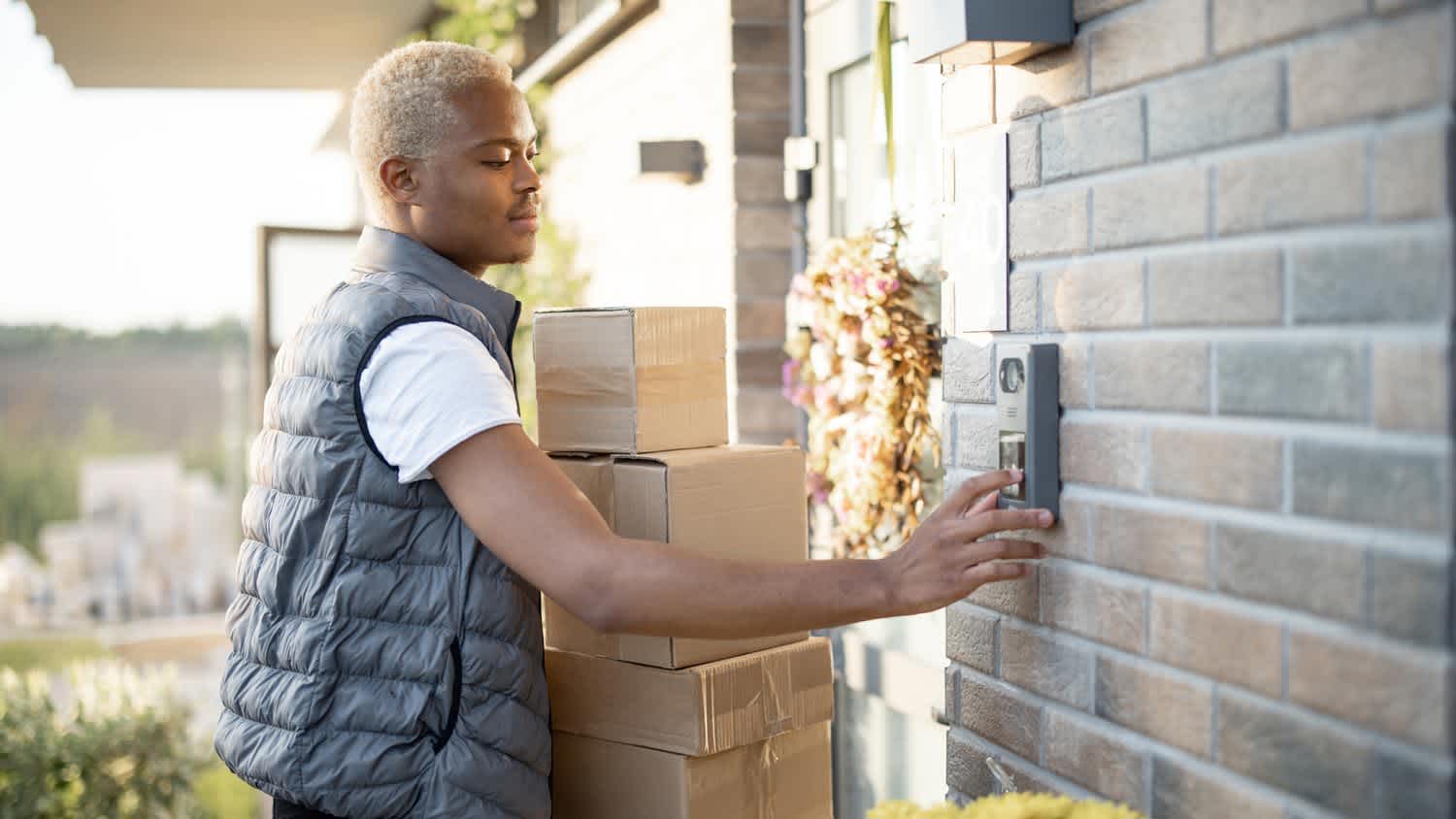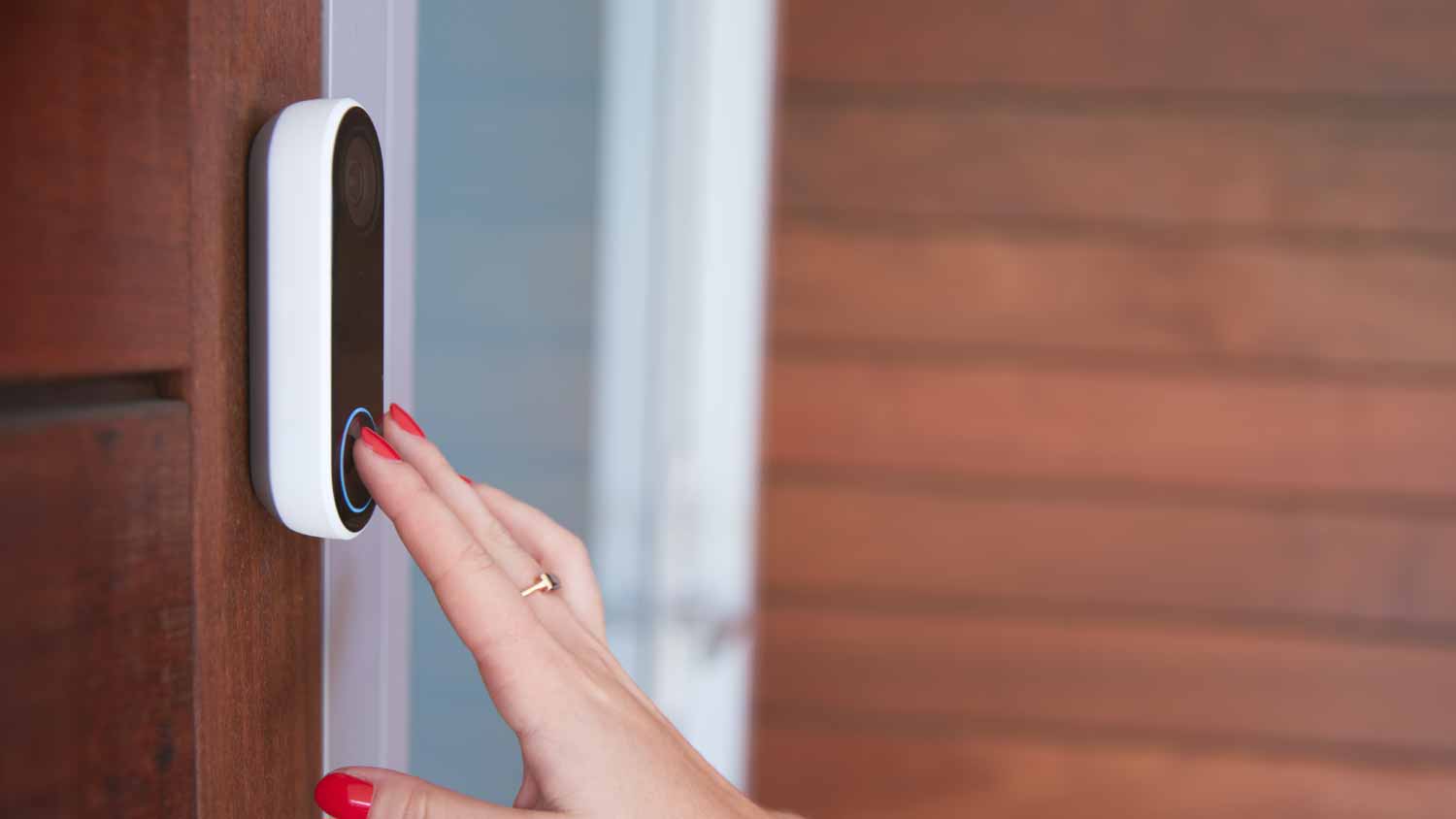





Top-rated doorbell installation pros.

Get matched with top doorbell installation pros in Ferndale, CA

Enter your zip and get matched with up to 5 pros

Need a pro for your doorbell installation project in Ferndale, CA?

Select your specific project to find the pro for you.

TRUSTED BY FERNDALE, CA HOMEOWNERS

  • Average homeowner rating star icon4.4
    Average homeowner rating
  • Verified reviews icon185
    Verified doorbell installation services reviews

Find Doorbell installation pros in Ferndale

No results for Doorbell installation pro in

Try adjusting your search criteria.
Doorbell Installation questions, answered by experts

When it comes to fiberglass insulation versus foam board, there are a few notable differences, both aesthetically and functionally. Fiberglass insulation is soft and flexible, meaning it can be squeezed into tight spaces more easily than foam board. Fiberglass insulation also has a higher R-value, making it a better pick for colder climates. However, foam board insulation can resist moisture and pest damage much better than fiberglass.

Mineral wool has an excellent life expectancy of up to 50 years, provided it's kept dry and free of pests. Compared to fiberglass, with a life span of 20 to 30 years, mineral wool stacks up well for long-term cost savings. Sheep wool maintains a similar life span to fiberglass, while estimates for hemp wool insulation life expectancies are all over the board, ranging anywhere from 20 to 100 years.

When installing board and batten siding, make sure there is wall sheathing and a moisture-resistant barrier installed. Behind that sheathing should be plywood or OSB for you to nail the boards and battens into. If there isn’t plywood or OSB, you can install vertical furring strips at 1½- to 2-foot intervals to nail the boards and battens to.

R-30 insulation is better for higher thermal resistance, but whether it’s "better" depends on the application. R-30 is much thicker and suited for areas like attics or floors in cold climates, where more insulation is required. R-13, on the other hand, is thinner and works well for 2x4 walls or milder climates where less insulation is sufficient. Choosing between R-13 and R-30 depends on the area being insulated and the climate. For example, R-30 provides more insulation but may not fit everywhere in your home.

On average, insulating an attic costs about $2,500, with a typical range of $1,500 to $3,500. The final price often depends on the attic's size, with costs generally falling between $1 to $3 per square foot. For example, insulating a 1,800-square-foot attic would likely cost between $1,800 and $5,400.

If the project involves removing old insulation, this can add an average of $900 to the total cost, bringing a full removal and reinsulation project to around $3,000.

Several factors influence the overall cost:

  • Insulation Type: Prices per square foot vary significantly by material.

  • Reflective: $0.50–$1.50

  • Blown-in: $1–$4

  • Batt: $2–$4

  • Loose-fill: $2–$5

  • Spray foam: $2–$5

  • Structural insulated panels (SIPs): $4–$7

  • Project Complexity: Factors like sealing air leaks, poor attic accessibility, and required inspections can add to the cost.

  • Removal Issues: The discovery of mold, asbestos, or pests during the removal of old insulation can substantially increase the price.

The Ferndale, CA homeowners’ guide to doorbell installation services

From average costs to expert advice, get all the answers you need to get your job done.