






Top-rated deck staining pros.

Get matched with top deck staining pros in Fall River Mills, CA

Enter your zip and get matched with up to 5 pros

Need a pro for your deck staining project in Fall River Mills, CA?

Select your specific project to find the pro for you.

Find Deck staining pros in Fall River Mills

Avatar for Lewis Stevenson Construction
Lewis Stevenson Construction
5.0(
5
)
Exterior Home or Structure - Paint or StainExterior Home or Structure - Paint or Stain: LargeExterior Home or Structure - Paint or Stain: Medium

Serving Fall River Mills, CA and surrounding areas

In business since 2018

Free estimates

Emergency services offered

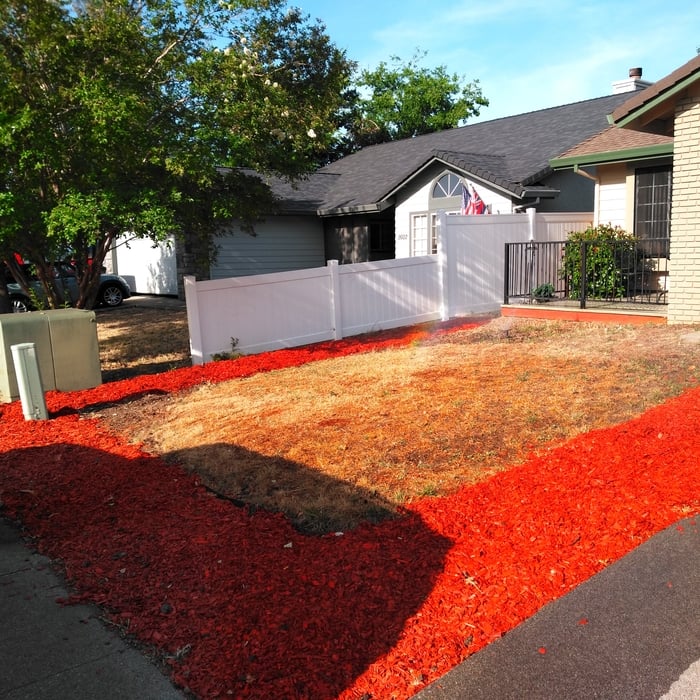
"Excellent work. He and his helper arrived when he said he would and completed the difficult job promptly and professionally. He went beyond my expectations, clearing about 20 feet on either side of the very long driveway and beyond. The cost was reasonable, and they were very pleasant to work with. Will hire again!"
Additional Photos
Additional Photos
Additional Photos
Additional Photos
Additional Photos

+7

Recommended by100%of homeowners
Dan's Painting
5.0(
6
)
Exterior Home or Structure - Paint or StainExterior Home or Structure - Paint or Stain: LargeExterior Home or Structure - Paint or Stain: Medium

Serving Fall River Mills, CA and surrounding areas

In business since 1994

Free estimates

Emergency services offered

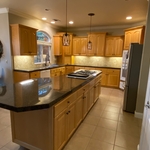
"Dan was professional and expert painter. He arrived on time each day and took his time in prepping the areas to be painted. Dan also did some patch work prior to painting. Dan knew what he was doing and did an excellent job. The kitchen cabinets look new and updated!"
Susan W cabinets
Kitchen cabinets
Recommended by100%of homeowners

Showing 1-10 of 14
Deck Staining questions, answered by experts

Yes, it's a good idea to sand the wall with fine-grit sandpaper after spackling, especially if you plan on painting. You can do this by hand or using a sander, but the idea is to ensure the spackle is flush with the wall. Sanding will give your wall a smooth, uniform finish and help your paint and wallpaper stay put.

Limewash and whitewash are two techniques used to give brick a light, matte finish, but they differ in composition, application, and permanence. The best choice depends on your aesthetic goals and the specific surface.

Composition

  • Limewash: A natural and environmentally friendly option made from limestone, water, and sometimes pigments. It is breathable and soaks into porous surfaces like brick.

  • Whitewash: Traditionally made from lime, water, chalk, and binders, but a similar look can be achieved with watered-down white paint. It is paint-based and sits on top of the surface.

Appearance and Finish

  • Limewash: Provides a natural, textured appearance that allows the brick's character to show through. It offers a more traditional finish.
  • Whitewash: Creates a softer, more opaque finish, often used for a rustic or shabby-chic style.

Application and Permanence

  • Limewash: Is semi-permanent and can be removed, making it a good choice if you might want to change the look in the future. It requires more skill to apply and cannot be used on previously painted brick.

  • Whitewash: Is a more permanent solution. It is more forgiving to apply and can be used on painted brick. However, because it sits on the surface, it can trap moisture.

Ultimately, if you want a breathable, natural, and reversible finish for unpainted brick, limewash is a great option. If you need a more permanent, opaque coating that can be applied over painted surfaces, whitewash is the better choice. Whitewashing may also be more economical, costing approximately $1.40 to $4.20 per square foot.

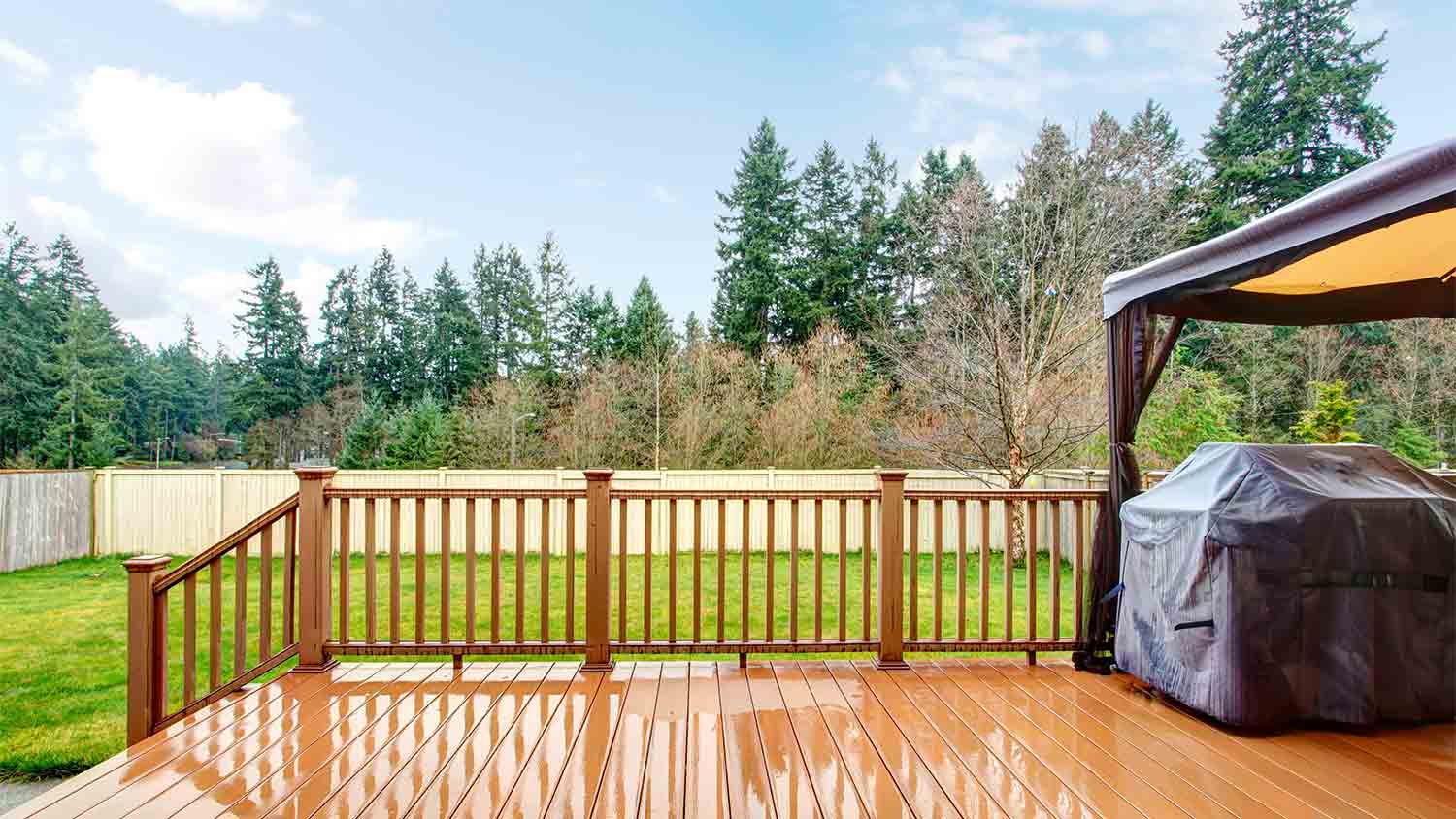
Apply a wood stain or sealant to properly maintain a wood deck railing and keep it looking new. Sealants protect wood from moisture and weathering. Regularly inspect the railing for loose screws, damaged balusters, and other signs of wear to make timely repairs. Routinely clean the railing using mild soap, water, and a soft bristle brush.

Many decking oils can help slow down algae growth, but they don't completely stop it. These oils work by sealing the wood, which reduces moisture and, therefore, algae growth. Some decking oils also help protect against UV damage, but they need to be reapplied according to the manufacturer’s instructions to ensure the decking stays protected.

Whether you can paint over your existing paint depends on what’s on there. Most of the time, you’ll want to sand down or scrape off the paint that’s currently coating your surface. Epoxy paint, for example, won’t let new paint stick to the surface. Latex paint is more forgiving and will accept a new coat, but a primer is recommended if you’re switching colors.

The Fall River Mills, CA homeowners’ guide to deck staining services

From average costs to expert advice, get all the answers you need to get your job done.