"Pretty good deal for $100 up front. The 5 included sensors cover my doors/sliders. We were disappointed that the mobile app functionality isn't included with the base monitoring plan after the first month. And my bathroom door sensor only works half the time. They told us that the dog (a little mini-poodle) wouldn't set off the motion sensor but she does - so we don't ever use it which leaves us exposed if someone comes in thru a window. But for basic coverage at $35 a month its not a bad deal. I like that its cellular (no land line needed) and self-installation was easy with their excellent phone app. I may upgrade the system at some point with window sensors, glass break sensor, front door camera."
Upgrade to double-glazed glass or apply energy-efficient coatings to reduce heat loss and utility costs.
A lace curtain may block some of the biggest insects from entering while still allowing a breeze to get through. If your concern is privacy, then curtains and blinds will provide better privacy than window screens; for UV protection, you can choose specialty windows or UV-blocking film. And if you just want an inexpensive, temporary solution, there are adhesive or magnetic screen panels you can install for an hour, a day, or a season.
If you have bubble wrap lying around the house and you don’t care about the odd look, taping bubble wrap over a window is a very affordable way to insulate it. Another inexpensive option for insulating windows is to add new caulk around the glass. This step quickly cuts down on air drafts for older windows, and a tube of caulk only costs a few dollars. Adding plastic shrink film around the glass is another cost-effective option. You can purchase a kit of plastic film for a few dollars per window.
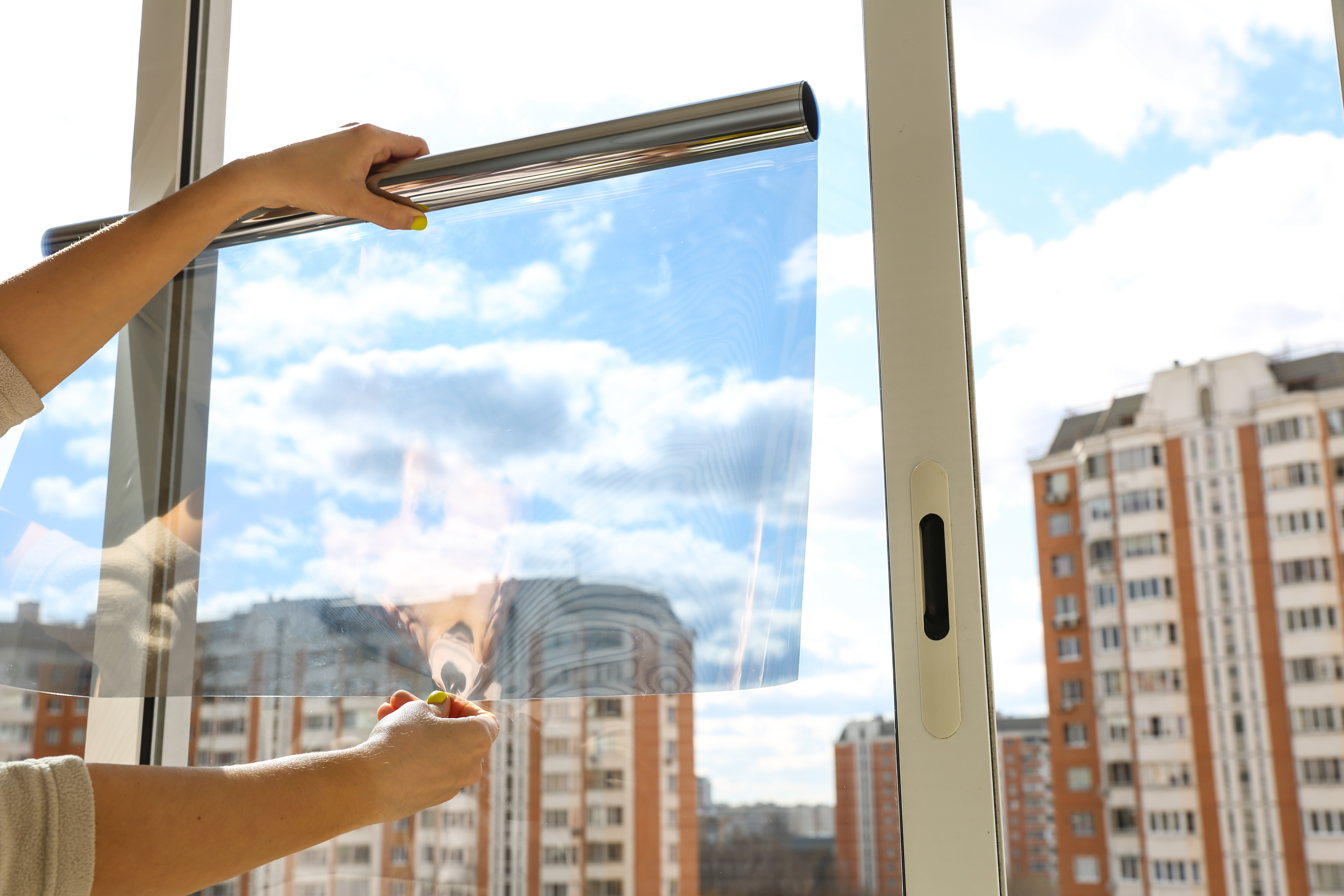
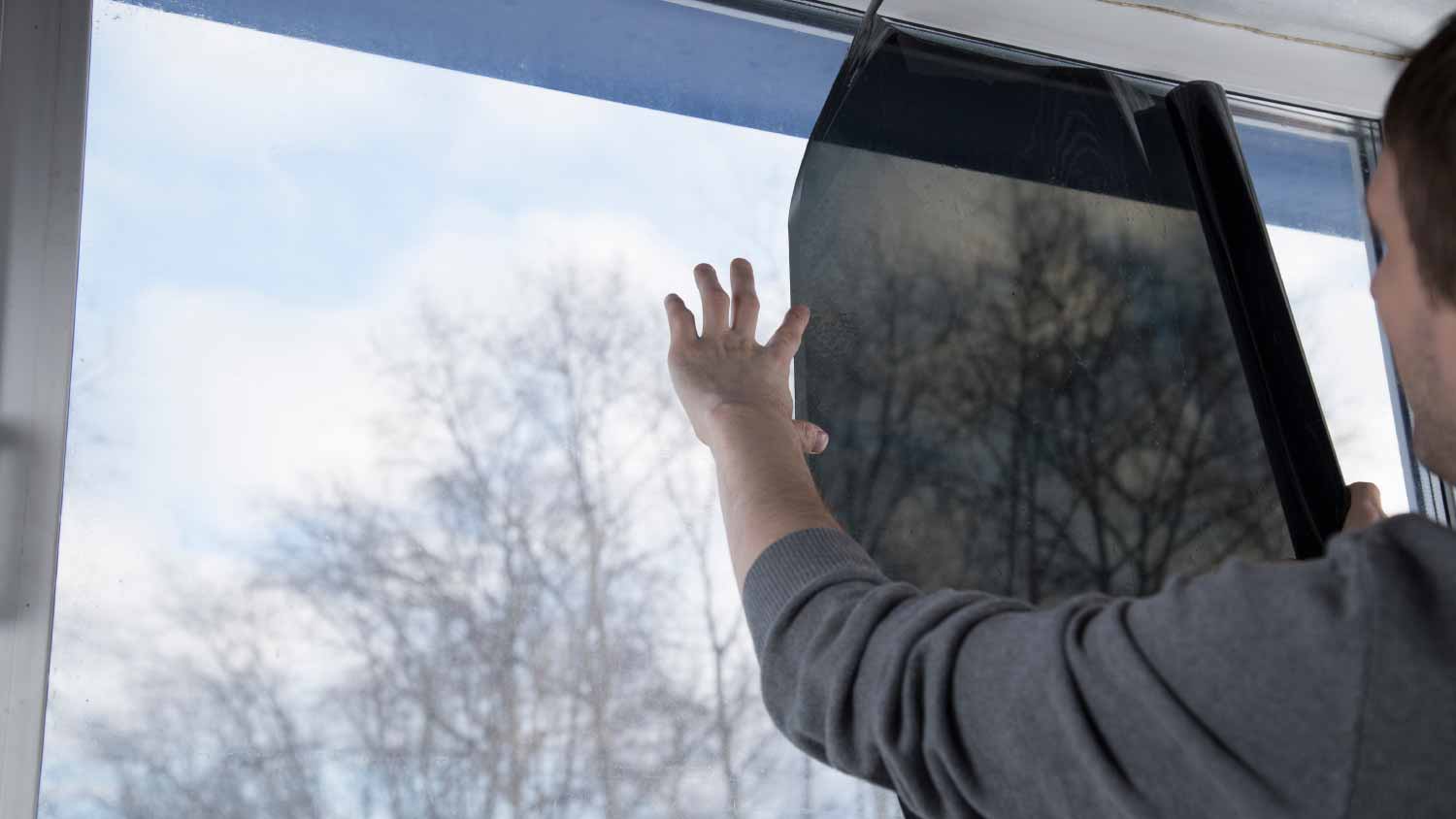
While it is possible to install home window tint yourself, it is a challenging task that is often best left to professionals. The process can be tedious and time-consuming, requiring steady hands and a great deal of patience, especially for a first-time installer.
Common mistakes in DIY applications include visible bubbles, imperfections, and film that either hangs over the edges or doesn't fully cover the glass. These errors not only look unprofessional and detract from your home's curb appeal but can also reduce the tint's effectiveness in blocking sunlight and heat. If you have struggled with applying protective films to smaller items like phones or tablets, you may find this task particularly difficult.
Attempting the installation yourself and making a mistake can lead to wasted material and the additional cost of hiring a professional to fix the issues or redo the job. Although hiring a professional involves labor costs, it typically guarantees a high-quality, seamless appearance and saves you from having to do the work over again.
The most popular tint percentage for home windows is 35%. Generally, most homeowners choose a visible light transmission (VLT) between 50% and 35%, where lower numbers mean less sunlight enters the home. A 35% tint blocks over half the incoming light while still allowing plenty of natural light, which can improve energy efficiency and comfort. If privacy is a primary concern, you can opt for a tint of 50% or lower to make it more difficult for people to see inside. However, keep in mind that very dark, thick tints may offer fewer energy-efficiency benefits.
Unlike cars, there are no laws regulating window tint percentages on homes, so you can choose what you think is best. It is often a good idea to hire a professional, as they can show you samples of how different tint levels will look in your specific property, helping you make the right choice.
The Covelo, CA homeowners’ guide to window tinting services
From average costs to expert advice, get all the answers you need to get your job done.
Tinting your home’s windows can add privacy, increase energy efficiency, and block damaging UV rays. Find out who tints home windows so you can hire the best.