





Top-rated lead testing and removal specialists.

Get matched with top lead testing and removal specialists in Angwin, CA

Enter your zip and get matched with up to 5 pros

Need a pro for your lead testing and removal project in Angwin, CA?

Select your specific project to find the pro for you.

Find Lead testing and removal specialists in Angwin

Avatar for Environmental Science Services
Environmental Science Services
4.5(
42
)
Toxic Lead - Testing

Serving Angwin, CA and surrounding areas

Approved

In business since 1992

Free estimates

Emergency services offered

"Shane was my first contact (via phone) and was very knowledgeable and went above & beyond to answer all my questions. I tend to have pretty good discernment, and I immediately sensed I was dealing with an honest, straightforward company. Shane offered me an appointment 2 days later that s fast! Awesome when you re concerned about mold! Ray came to our house (a several hour drive to the Redding area!), and was prompt & called ahead to be courteous. Total genuine and nice guy (especially bc he s a dog lover ;) He wasn t rushed at all, answered all our questions (we had a lot), and actually said he likes & welcomes questions! After we received our report & invoice, I THOUGHT I was messaging my husband, lol, but I texted Shane: Thumbs up! They did thorough testing, & the price was still what was initially quoted! I highly recommend these guys!!"
interior
IAQ
Clandestine Laboratory Investigation
Wipe Testing for Asbestos
Water Intrusion Mold Testing

+3

Response time8 hrs
7 neighbors recently requested a quote
Recommended by97%of homeowners

Lead Testing and Removal questions, answered by experts

How you test for lead in your water depends on the source of your home's water supply. If you have municipal water, your local water system may offer to test the water for free or may connect you to a lab that will perform the testing.

If you have a private well that provides drinking water, you are responsible for testing it for lead. Look for a lab that is accredited by your state's Department of Environmental Protection to perform the test.

While the EPA provides guidelines for homeowners to perform DIY lead paint removal, it is a risky process and generally not recommended due to serious health risks and strict regulatory requirements. The process requires precise safety precautions, such as wearing a respirator and protective eyeglasses, creating sealed exits, and using a HEPA vacuum for cleanup. To ensure the job is done safely, effectively, and in compliance with regulations, it is highly recommended to hire a professional lead abatement company. Certified professionals have the necessary training, experience, and specialized equipment (like chemical strippers and HEPA vacuums) to handle and dispose of hazardous materials safely.

“Testing” can start with your senses: Assessing your water’s appearance, taste, and smell can all be good first steps. The best way to know for sure what’s going on with your water is to use a well water testing kit, which can tell you about the specific levels of bacteria, dissolved solids, and hardness of your water with precision. Have a pro test your well water at least once per year.

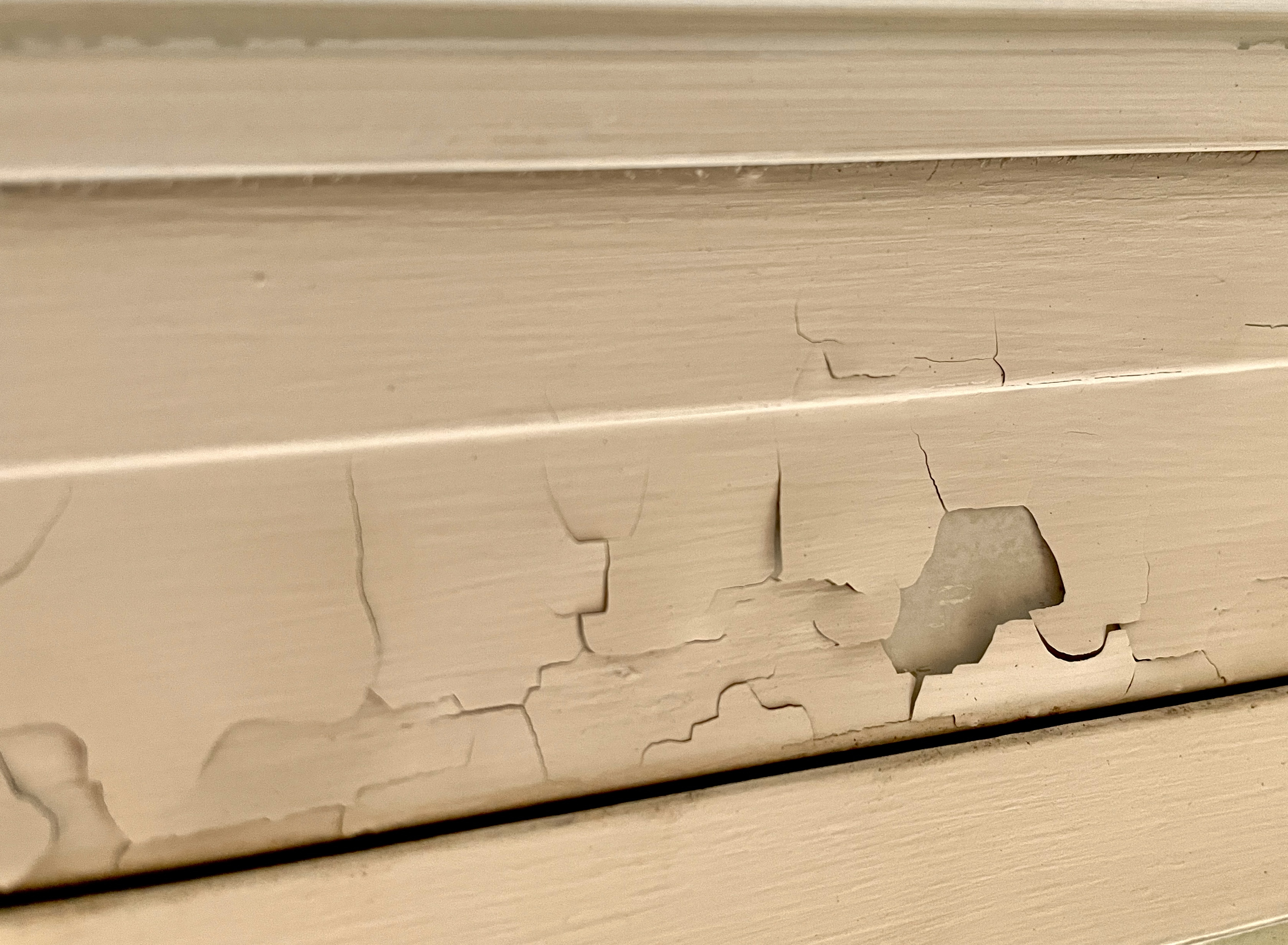
If the lead paint is in a place that is not easily disturbed and is not flaking or deteriorating, you do not necessarily need to remove it. Lead is toxic when dust particles or flakes from peeling lead paint are ingested. If people are not in the area with the lead paint, it may be safe to leave it in place. You still may want to consider encapsulation with a paint formulated for covering lead-based paint, just for an added layer of protection.

According to the Environmental Protection Agency (EPA), hazardous waste is generally classified into four main categories:

1. Characteristic Wastes: These exhibit at least one of four hazardous traits: ignitability (flammable, like gasoline), corrosivity (can rust or decompose materials, like car batteries), reactivity (unstable and can explode, like aerosol cans), or toxicity (harmful when ingested, like lead-based paint).

2. Listed Wastes: These are specific wastes from manufacturing and industrial processes that the EPA has officially designated as hazardous. They include byproducts from processes that use solvents, pesticides, and other chemicals.

3. Universal Wastes: These are commonly generated hazardous items that are subject to streamlined regulations. Examples include batteries, pesticides, mercury-containing equipment (e.g., bulbs), and some lamps.

4. Mixed Wastes: This category includes waste that contains both hazardous and radioactive components, making it subject to regulation by both the EPA and the Nuclear Regulatory Commission.

The Angwin, CA homeowners’ guide to lead testing and removal services

From average costs to expert advice, get all the answers you need to get your job done.