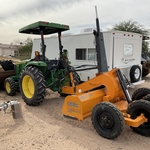
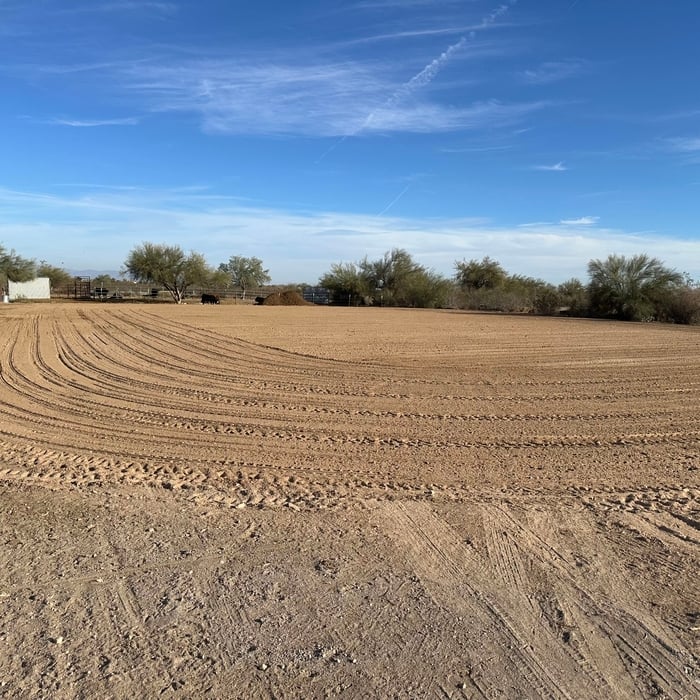
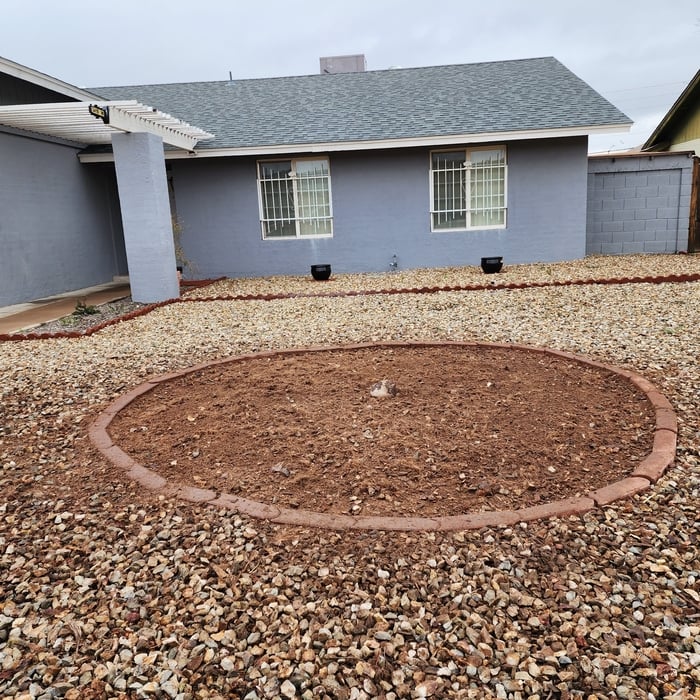
"Fantastic! Right from the start Mr Perry laid out steps he would be taking, in getting a level, structured pasture. He would always call ahead to check if access to the property. My soil was like concrete. He would work the soil repeadily over a few months. When he decided the soil was ready, he waited for the best planting time(no frosts). He leveled the pasture with precion. Then planted the seed. I just irrigated the pasture today. The water flowed on a perfect flat flow! The work he accomplished was perfect. He is honest, straight forward, and highly knowledgeable."
"We have used John and his crew for years from large roofing projects to small cabinet modifications. We have always found them to be honest and fair. Would highly recommend them!"
"Steven Wallot is an experience tree cutter, he's done many years with the hotshots (wildland fire crews). I had to remove a hazardous tree from my back yard. Steve dropped the tree in a safely manner. Thanks for the service."
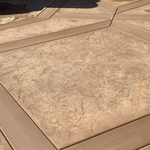
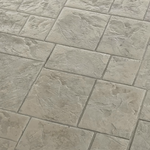
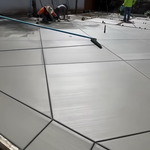
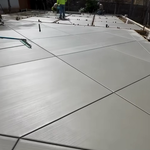
"I would use the service again. They were a good hometown people, has a good reputation, and did good quality work. I like them, I would continue to use the service and they would be my first choice in concrete work."
It will likely take an experienced pro less than an hour to install a ground rod, which is another reason why letting them handle the job is such a good idea. Safety concerns aside, it would likely take you much longer to install a ground rod if you decided to take this one as a DIY job.
The best thing to cut metal pipe is a durable pipe cutter that is made for metal. You may want to measure the diameter of the pipes before purchasing a pipe cutter to ensure it will be able to cut your metal pipes. Opt for a heavy-duty option to cut through metal like steel or cast iron.
Sawing your hot tub into more manageable chunks so it can be lifted easily into a truck takes several hours. Generally, 2.5 hours for smaller hot tubs and around 4 hours for larger ones with the help of one to two people. If money isn't a concern and you want to skip the physical labor, you can hire a pro to get the job done.
Yes, but you’ll need reliable steel-cutting tools and safety gear to get started. Shipping containers are typically around ¾ inch thick, so it’s entirely possible to cut through them, but experience and the right equipment are very important. When possible, try to get a container as close to the size you want it as possible.
Cutting rectangular ductwork requires careful measurements and the right technique. Use a measuring tape and pencil to mark the cutting lines accurately. Tin snips are excellent for straight cuts on smaller ducts. For more extensive or thicker rectangular ducts, a reciprocating saw with a metal-cutting blade is effective.
Ensure the duct is well-supported and secure while cutting to prevent wobbling and maintain precision. After cutting, use a metal file to smooth any sharp edges, ensuring safety during installation.
The Tusayan, AZ homeowners’ guide to concrete cutting services
From average costs to expert advice, get all the answers you need to get your job done.