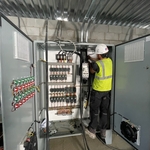
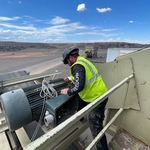
"Hale Electric came and ran power and set an RV pedestal for me. The work was done in a timely manner, mess was cleaned up and most of all the work was quality. Thank you!"
At Sparky S Electric, we take great pride in our experience, expertise, quality and customer service that we provide to meet the consumer's needs. It is our mission to provide excellent workmanship and complete customer satisfaction from start to completion of a project. In order to understand the needs and expectations of our customers, we take great care to work and communicate with every customer in a professional manner. Our reputation is based on service, safety and quality, regardless of how large or small the job.
We take great pride in our experience, expertise, quality, and customer service that we provide to meet the consumer's needs. It is our mission to provide excellent workmanship and complete customer satisfaction from start to completion of a project. In order to understand the needs and expectations of our customers, we take great care to work and communicate with every customer in a professional manner. Our reputation is based on service, safety, and quality, regardless of how large or small the job.
At Virgil Morgan we pride our company on reliability, great communication, integrity, and quality work. We are experts in our trade and will do our best to keep you as educated as we can on your particular task or project. We look forward to earning your business!
These advanced generators use a key fob or a smartphone app to remotely start, which is ideal for getting power back on immediately without venturing outside. This feature is more common on whole home generators, but you may be able to find it on large portable generators, too.
In most municipalities, you will need a permit to install a permanent home generator, including emergency backup, partial-home, and whole-home generators. A permit for a generator usually costs between $50 and $250, depending on where you live. Your electrician or certified generator installer will usually pull the permit for you—and might be required to do so by your building department—but you’ll be on the hook for the cost of the permit. You should ask your installer before agreeing to any work if they will pull the necessary permits for your project.
A 1,500 square foot home will likely need a 15kW to 20kW generator. When deciding on whole-house generator size, add up the total wattage of the devices that you’d like to continue running during a power outage. That way, you can ensure you purchase a generator that can power your necessary appliances or medical equipment during an electrical emergency.
Yes, in some locations, it is required by the National Electric Code (NEC) to have a transfer switch installed for electrical emergencies. In addition to following electrical code, generator transfer switches ensure your home is fully protected during a power outage. By switching the power from the main breaker to the generator breaker, you can seamlessly operate your HVAC, lights, appliances, devices, and more during an emergency.
Energy output depends on turbine size, average wind speed at your site, and system efficiency. A 5 kW turbine in a good wind location can generate 8,000 to 12,000 kilowatt-hours per year, which may cover a large portion of an average home’s needs. Accurate output estimates require a professional wind assessment and a review of your household’s energy usage patterns.
The Shonto, AZ homeowners’ guide to generator installs
From average costs to expert advice, get all the answers you need to get your job done.
Natural gas generators are whole-home standby generators that are connected to your home’s natural gas line. The average cost for a natural gas generator is $12,000.
Generators should give you peace of mind, but you’ll only get that if your installer knows what they’re doing. Learn how to hire a pro and what red flags to look for.
Thinking about a generator installation? Learn about backup power options, costs to expect, and how to hire the right local pro to keep your home running.