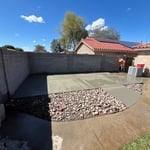
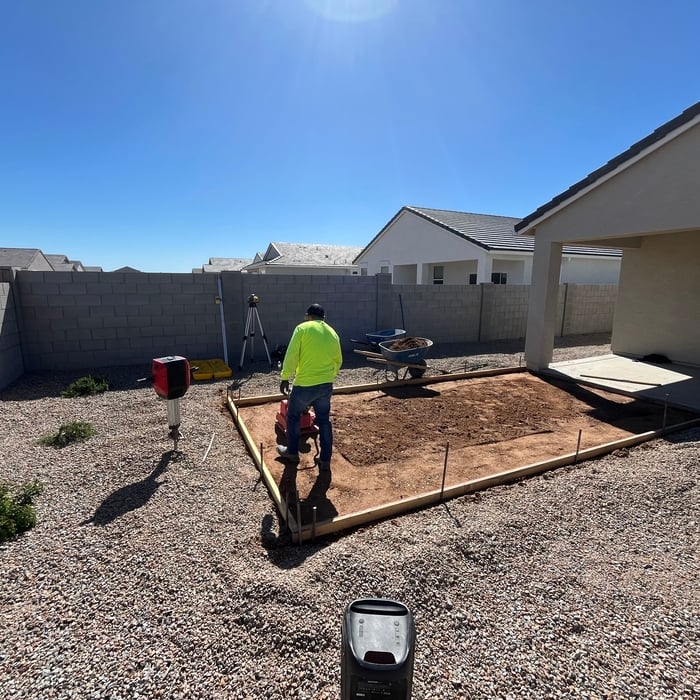
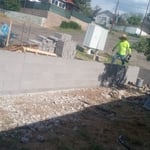
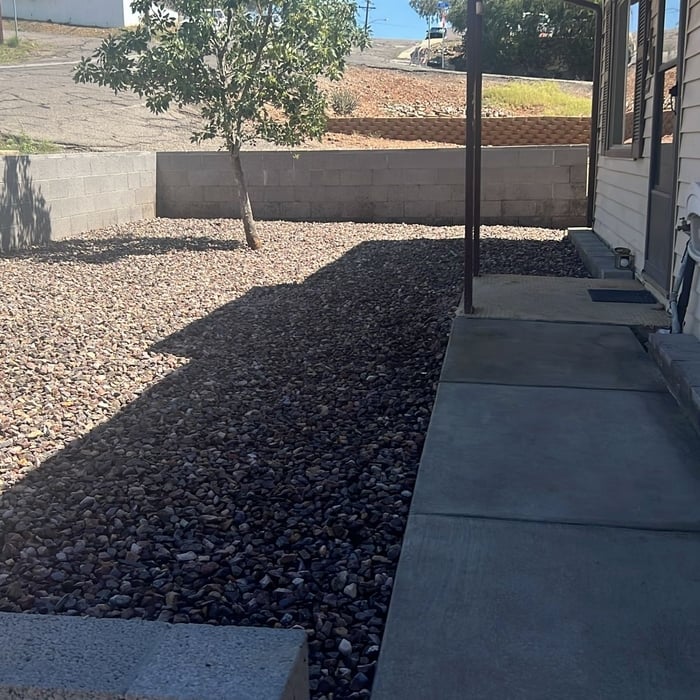
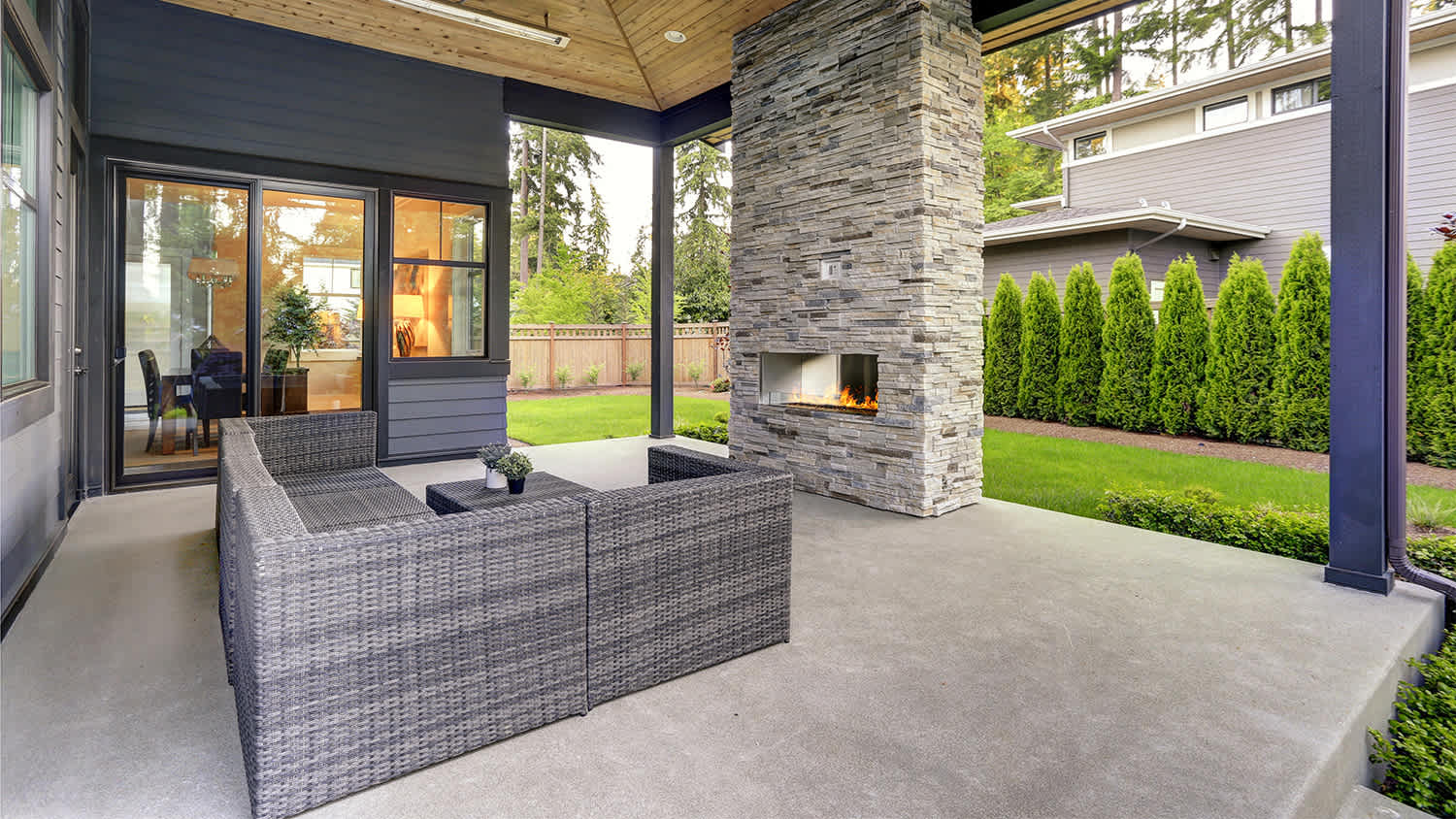
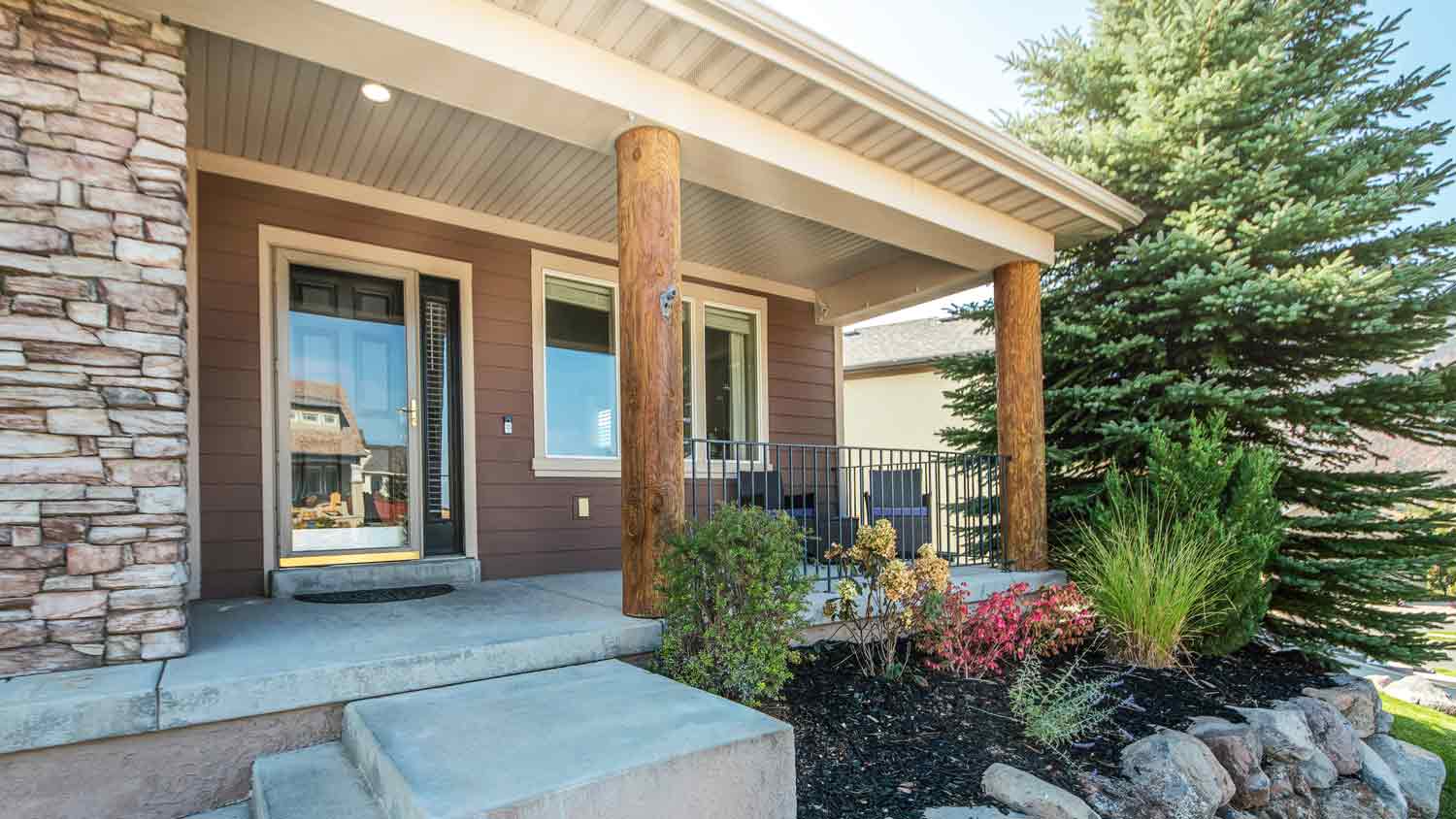
"Manny and his crew did an amazing job with our barbeque concrete slab. They were professional, came out the day after I called, competitively priced and the work was clean and looks great! Will use again."
"Hector was very professional in providing estimates and answering question during during the survey. I would recommend him to others that might be considering similar services."
Here at Garcias Constructors we work hard every day to meet and exceed any Excavation,Grading,Asphalt prep, Drainage/Pipe, Gravel, Pads, projects you need done. Any type of Concrete.
I’m originally a builder build houses and sell used to be a foreman for a huge concrete company also dealt with framing block etc. Here to help out with some quality work and good prices.I’ve been in Buisness for 16 years
"Q" Diamond Concrete has been in business since 1995. We specialize in residential concrete, including foundation work, driveways, patios, walkways, as well as stamped concrete. We have experience in large custom homes, tracts of new homes, additions and remodels. We also install faux flagstone on patios and walkways. We take great pride in our work for 100% customer satisfaction.
Costs range from $500 to $1,500, depending on the size and condition of the area.
Generally speaking, push piers—or steel piers—are the best option for underpinning, as they reach down to solid bedrock to find support for your foundation rather than relying on soil, which could be subject to the same issues as the soil directly below your foundation. However, the best underpinning method for your home depends on your location, how far down the bedrock is, and the type of soil in your area. Helical piers are usually the best option for sandy soil or in areas where the bedrock is too deep to use steel piers.
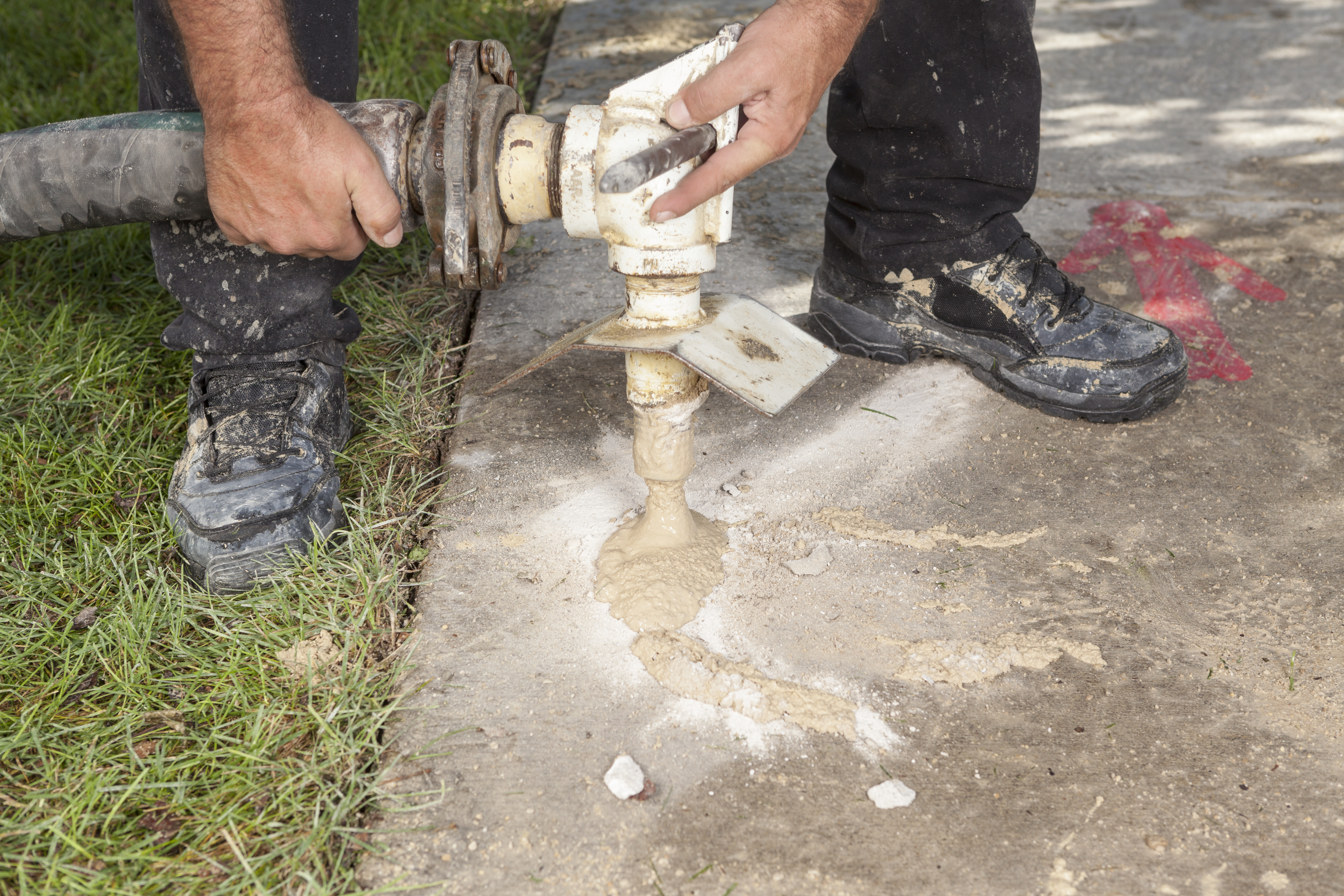
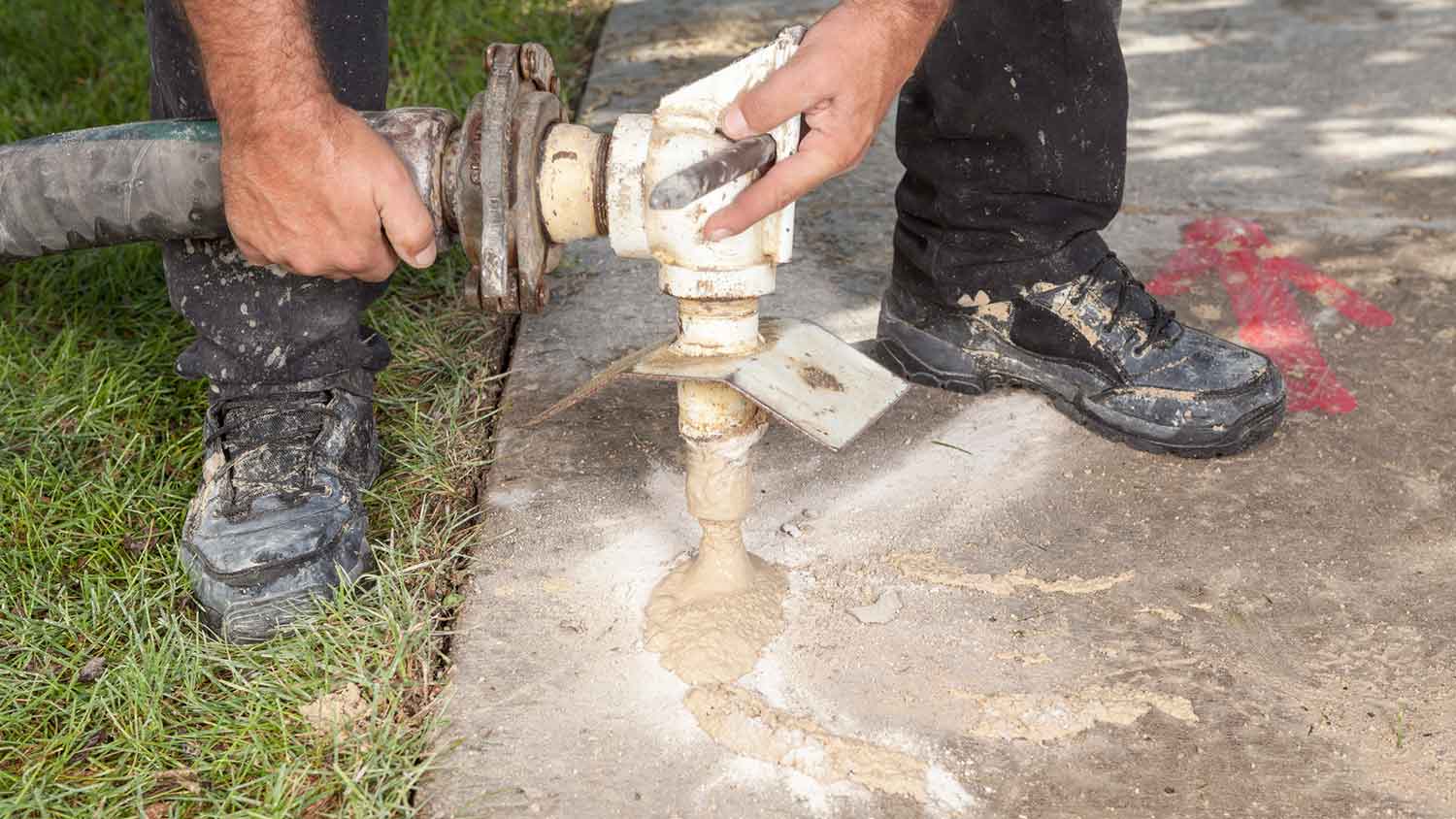
Mudjacking restores level surfaces, prevents further damage, and is more cost-effective than a full replacement.
A good slump height really depends on the project, but there is a use for nearly all slump levels. For example, low slumps are best in projects that require structure, such as curbs and roads. High slumps often require additional reinforcement, but they flow more freely into hard-to-reach spaces.
The polyurethane used for polyjacking will expand and cure in 15 to 30 minutes. After that point, your slab will be safe to walk on and even drive on in the case of a sidewalk or concrete driveway. Double-check with your concrete lifting specialist to confirm a curing timeline, as products can differ.
The Peridot, AZ homeowners’ guide to concrete leveling services
From average costs to expert advice, get all the answers you need to get your job done.
Learn about concrete leveling and how it can fix uneven surfaces, from sunken sidewalks to uneven driveways, and boost your home’s safety and curb appeal.