



Top-rated basement waterproofing pros.

Best basement waterproofing pros near Parker, AZ

Enter your zip and get matched with up to 5 pros

Need a pro for your basement waterproofing project in Parker, AZ?

Select your specific project to find the pro for you.

Top-Rated Basement waterproofing pros in Parker - Updated Nov 2026

Basement Waterproofing FAQs, answered by experts

It’s not the number of weep holes that should be of concern to builders but rather their spacing. Weep holes are usually spaced anywhere between 16 inches on center when using round tubes or wicking materials and 24 inches on center when using open-head joints. This is a more conservative spacing than the 33-inch maximum spacing on center that’s mentioned in the International Residential Code. All in all, the total number of weep holes a brick exterior should have will depend on the size of the structure.

While it’s possible to seal a foundation yourself, it’s not recommended, as it’s a tricky and labor-intensive job. Foundation sealing is best left to the pros to save yourself time, remove the risk of doing it wrong, and keeping yourself safe. Call a foundation repair professional near you to see what the job will cost.

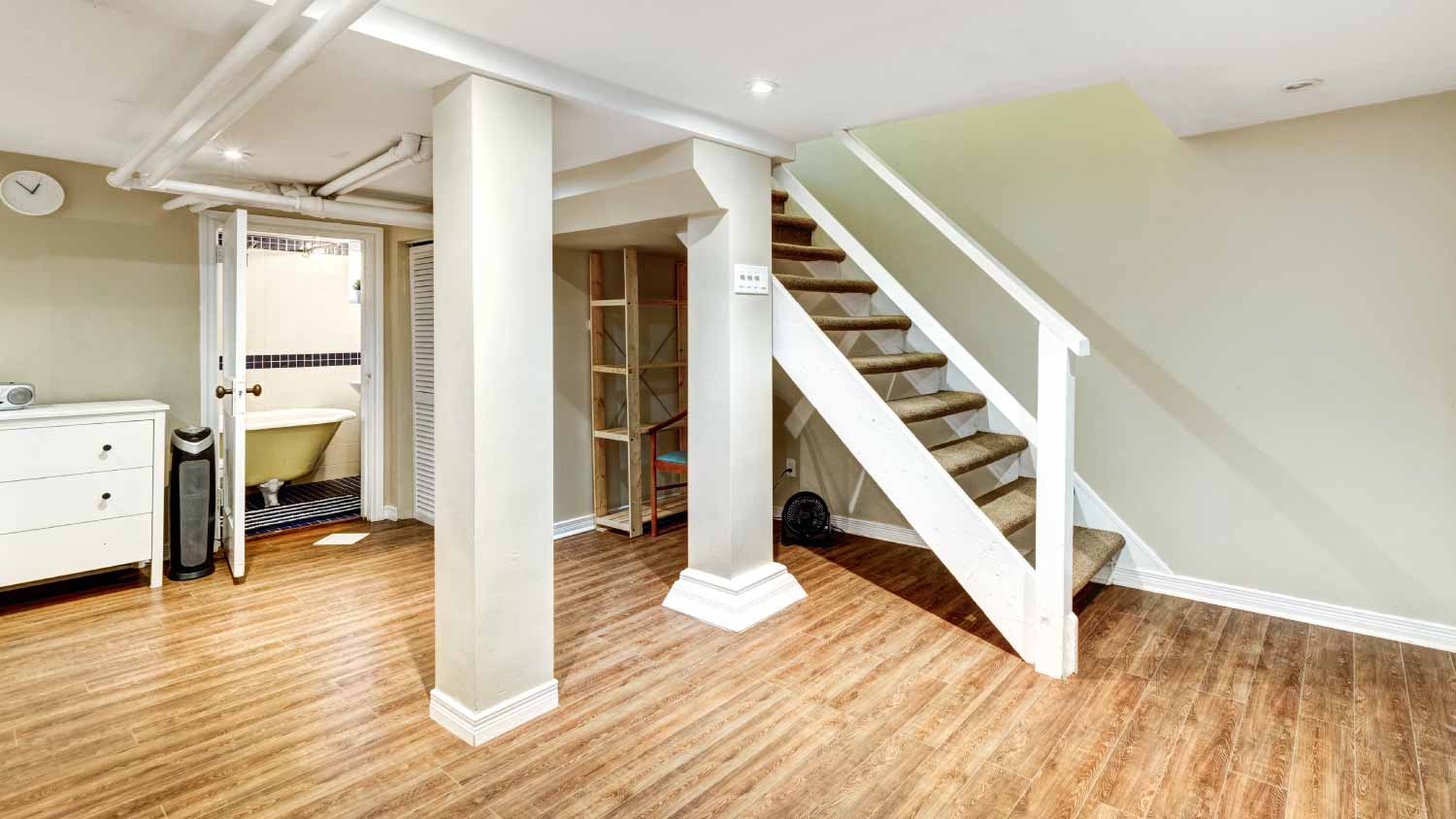
Egress windows or doors are required in finished basements to meet safety and building codes. If your basement is unfinished and used as a storage space, egress windows are not required, but anything considered a habitable space must have an additional point of egress in addition to the stairs.

Standard homeowners insurance policies may cover basement water damage or flooding, but only if it is caused by a sudden and accidental event that is a covered peril, such as a burst pipe or a failing appliance. Damage caused by natural flooding from extreme weather, groundwater seepage, or heavy rain is typically excluded and requires a separate flood insurance policy. Some insurers also offer an optional water backup endorsement for issues like sewer backups. Review your policy or speak with your agent to understand your specific coverage.

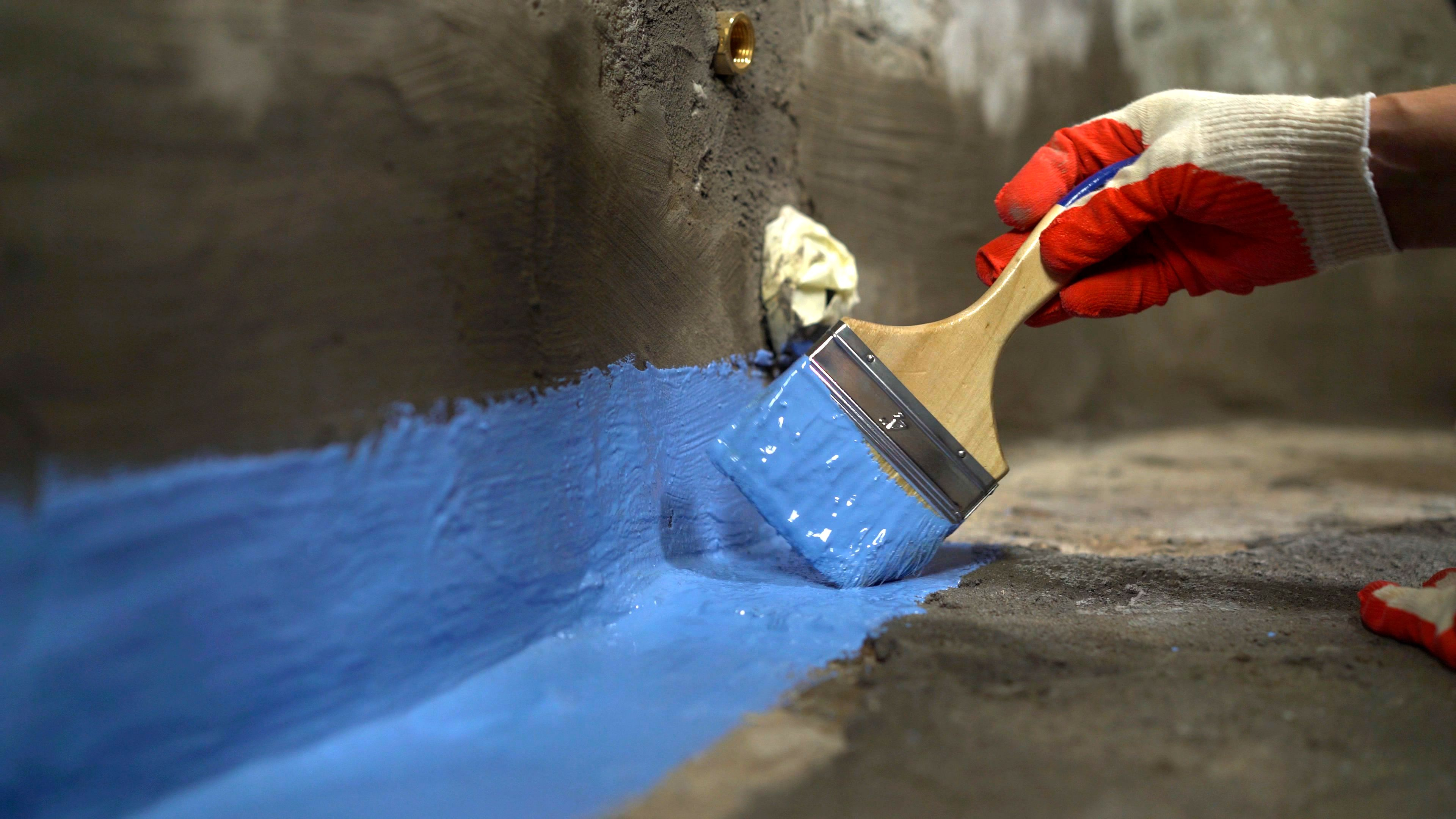
You can seal a concrete slab by cleaning the surface, filling in any cracks, etching the surface, applying a sealer, and letting it dry. Concrete slabs don't typically need sealing, but you can use a topical concrete sealer if you notice signs of water damage. If you haven't already fixed the cause of the leak, then you'll want to repair the plumbing before you seal a concrete slab.

The Parker, AZ homeowners’ guide to basement waterproofing services

From average costs to expert advice, get all the answers you need to get your job done.