THM Services is dedicated to providing our customers with the best quality and craftsmanship. We are here to build relationships with our customers and communities and to provide our employees with a great place to work.
\n
\nTHM Services is a leader in providing our customers with the highest quality products and craftsmanship in an honest, efficient, and professional way. Our pledge is to create successful relationships with our customers, employees and community by building trust, treating every project with the utmost integrity and exceeding expectations.
\n
\nWe look forward to working with you!
I'm a single dad. I have an enormous skill set. I'm punctual and willing to work. I have years of experience. I have my own tools and vehicle. I'm professional and courteous.
Shia is committed to excellence in every aspect of our business. We uphold a standard of integrity bound by fairness, honesty and personal responsibility. Our distinction is the quality of service we bring to our customers. Accurate knowledge of our trade combined with ability is what makes us true professionals. Above all, we are watchful of our customer's interests, and make their concerns the basis of our business.
We have 22 years of experience in the business. At Hometech Builders 3-D Designs, LLC, we pride our company on reliability, great communication, personal service, integrity, and quality work. Thank you.
Liam Gonzalez is committed to excellence in every aspect of our business. We uphold a standard of integrity bound by fairness, honesty, and personal responsibility. Our distinction is the quality of service we bring to our customers. Accurate knowledge of our trade combined with ability is what makes us true professionals. Above all, we are watchful of our customers' interests, and make their concerns the basis of our business.
We pride our company on reliability, great communication, integrity, and quality work. We are experts in our trade and will do our best to keep you as educated as we can on your particular task or project. We look forward to earning your business!
We're a locally owned and operated company with over 22 years of industry experience. We value honesty and integrity in all aspects of our business. We offer a variety of Home Improvement services that are customizable to each individual project. We specialize in handyman/carpentry work and a variety of related service and repair projects. We pride ourselves on the quality of our work as well as our commitment to outstanding results. We look forward to building lasting relationships with our clients and guarantee your satisfaction!
Welcome to Troy Anderson Remodeling! We are Scottsdale's premier professional home improvement company, offering the highest quality and most attentive customer service. We are known to pay exquisite attention to detail while making customer satisfaction our number one priority.
\n
\nPlease call us today to schedule your professional consultation!
\n
Fire Pit Installation questions, answered by experts
You should schedule a fireplace inspection at least once a year, per the National Fire Protection Association (NFPA). However, this is the minimum requirement even if you’re diligent with fireplace maintenance between uses. If you suspect your fireplace is malfunctioning, schedule one sooner to avoid fire hazards or the release of harmful emissions like carbon monoxide in your home.
Electrical fires are unique from other fire types because they have the potential to deliver electric shocks in addition to being on fire. Avoid serious injury from possible electrical emergency situations by avoiding the use of water, foam-based fire extinguishers, wet-chemical fire extinguishers, flour, or baking powder to put out an electrical fire.
Signs that your dryer is about to catch fire include a burning smell or the dryer and the clothes getting hotter than usual. If this happens, turn the dryer off immediately and call a repair professional. Another less urgent sign is that your clothes are taking longer to dry than normal. If this is the case, check the lint trap, vent, and duct to make sure they are all clean. If they are, you may need to call a pro to find the source of the issue.
Glass block windows aren’t fire hazards; fire-rated glass block windows can increase your home’s fire safety. Modern glass blocks are made with materials that can resist high temperatures and prevent fire spread. Most offer a 45-minute fire rating, while some increase it to two hours. Compared to the typical 20 to 90 minute rating for a double-pane window, glass block can increase your home’s safety in the event of a fire.
Homeowners insurance can be voided in several scenarios. That can include making too many claims in a short period of time, leaving a home vacant for an extended period of time, renting out a home or room illegally, using a home as a business illegally, and any kind of criminal activity connected to the home.
The Houck, AZ homeowners’ guide to fire pit installation services
From average costs to expert advice, get all the answers you need to get your job done.
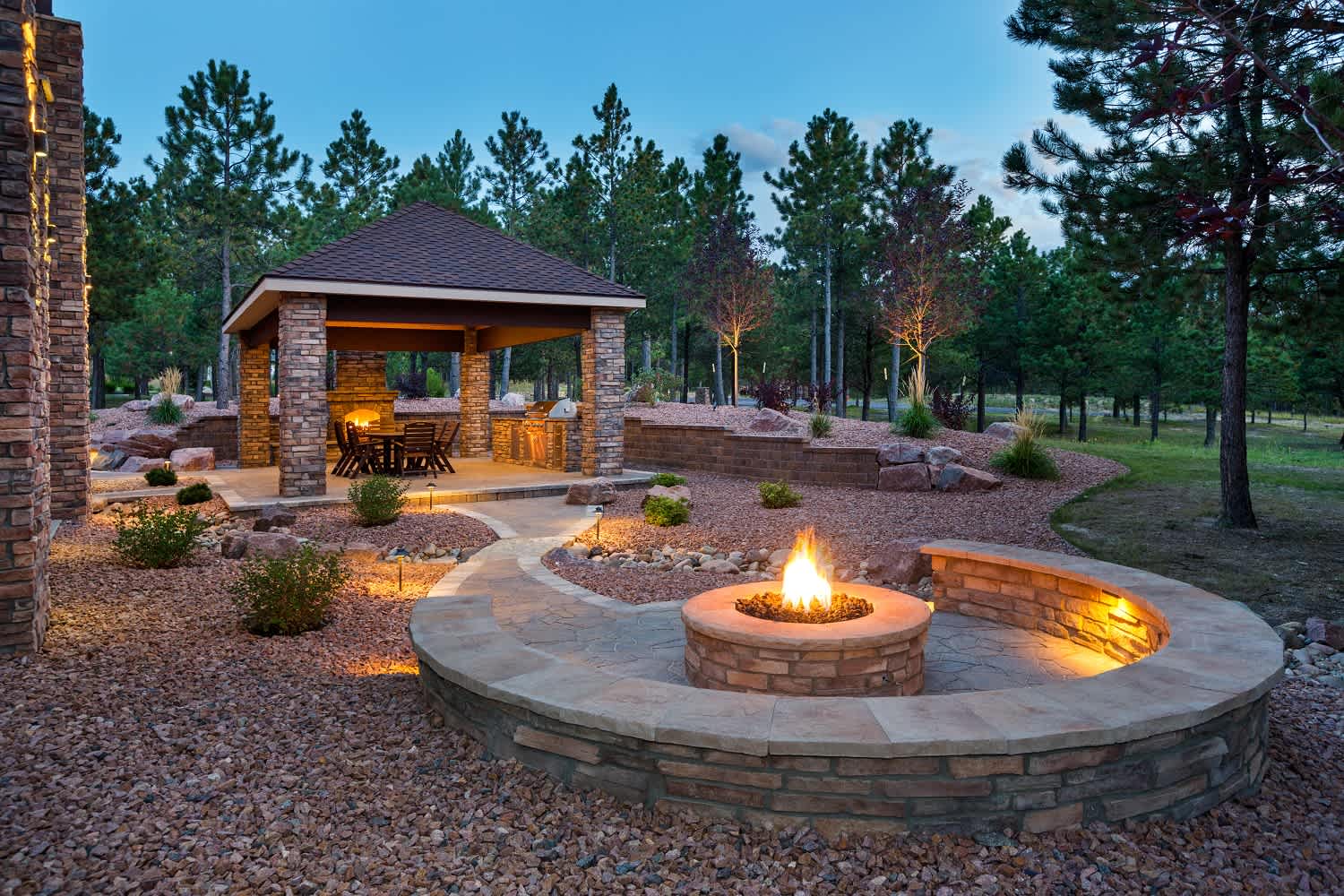
A fire pit installation costs $850 on average but can vary by size, fuel type, materials, and more. See how much you need to budget for a new fire pit.
Discover fire door cost data, including installation, materials, and tips to save. Learn what impacts fire door pricing and how to budget for your project.
Discover home fire sprinkler system costs, including installation, maintenance, and key cost factors. Learn how to budget and save on your home fire protection.
A fire pit adds attractive entertainment space to your backyard. Learn about standard fire pit dimensions and what factors contribute to fire pit size.
If you’re interested in buying a fire pit, you will likely be considering gas or wood. But what are the pros and cons of each? Find out if a gas or wood fire pit is right for you.