"Shepherd Contracting goes above and beyond- Thomas and his team were polite, efficient, and did outstanding work on a home remodel for a design client. My client and I were thrilled with the quality and attention to detail. An added bonus-they finished on time and within the budget!"
"Amanda was really very good! At first I was very skeptical, thinking why did I pay money to just speak with someone on the phone about my kitchen remodel project... but after just a few minutes of her addressing some of the issues/questions I emailed to her earlier, I knew it was worth it. It was very clear that she knew her business and she gave me several ideas that I had not even thought about. I told her that I would definitely recommend her to friends and I will very likely use her again myself for my next home project!
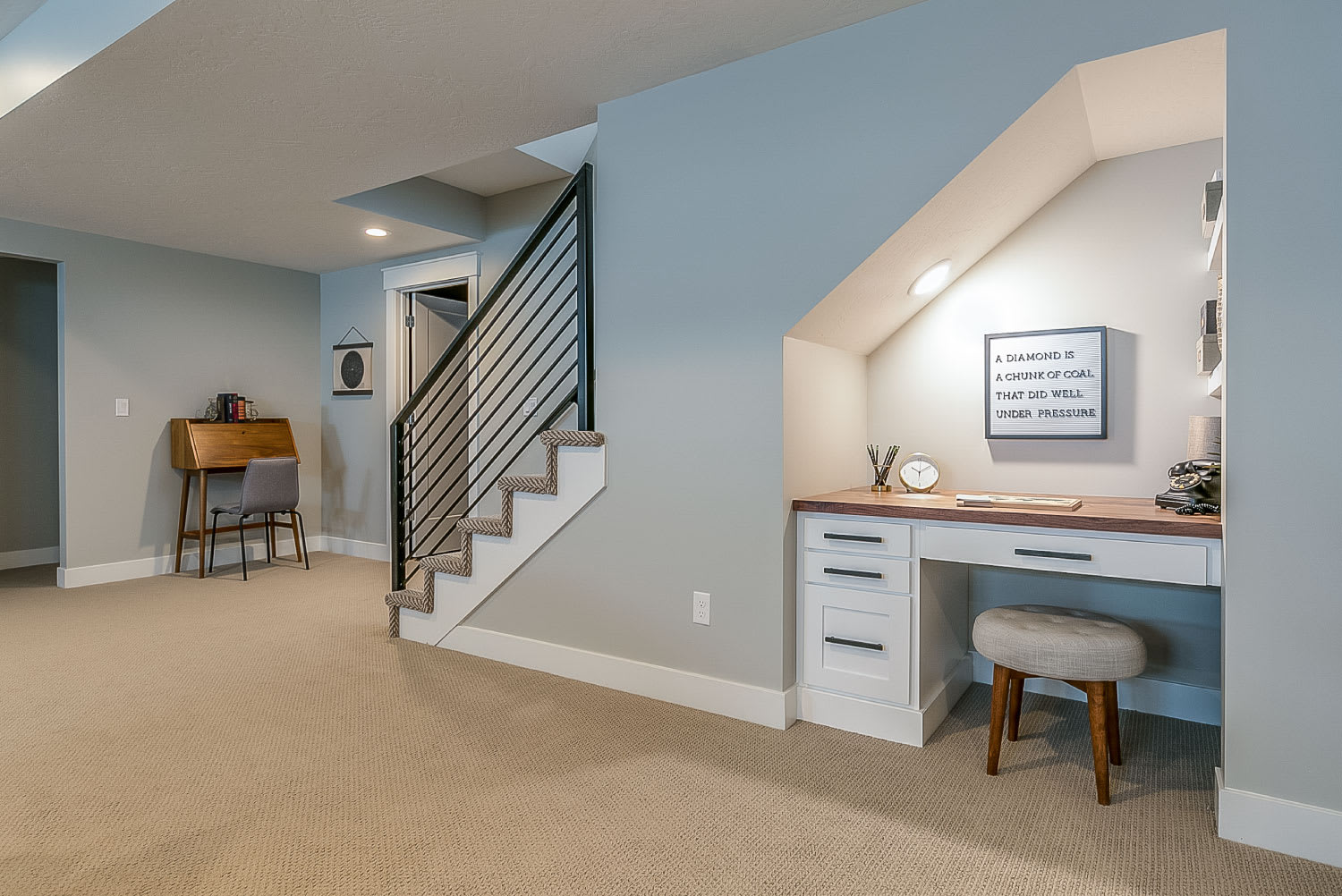
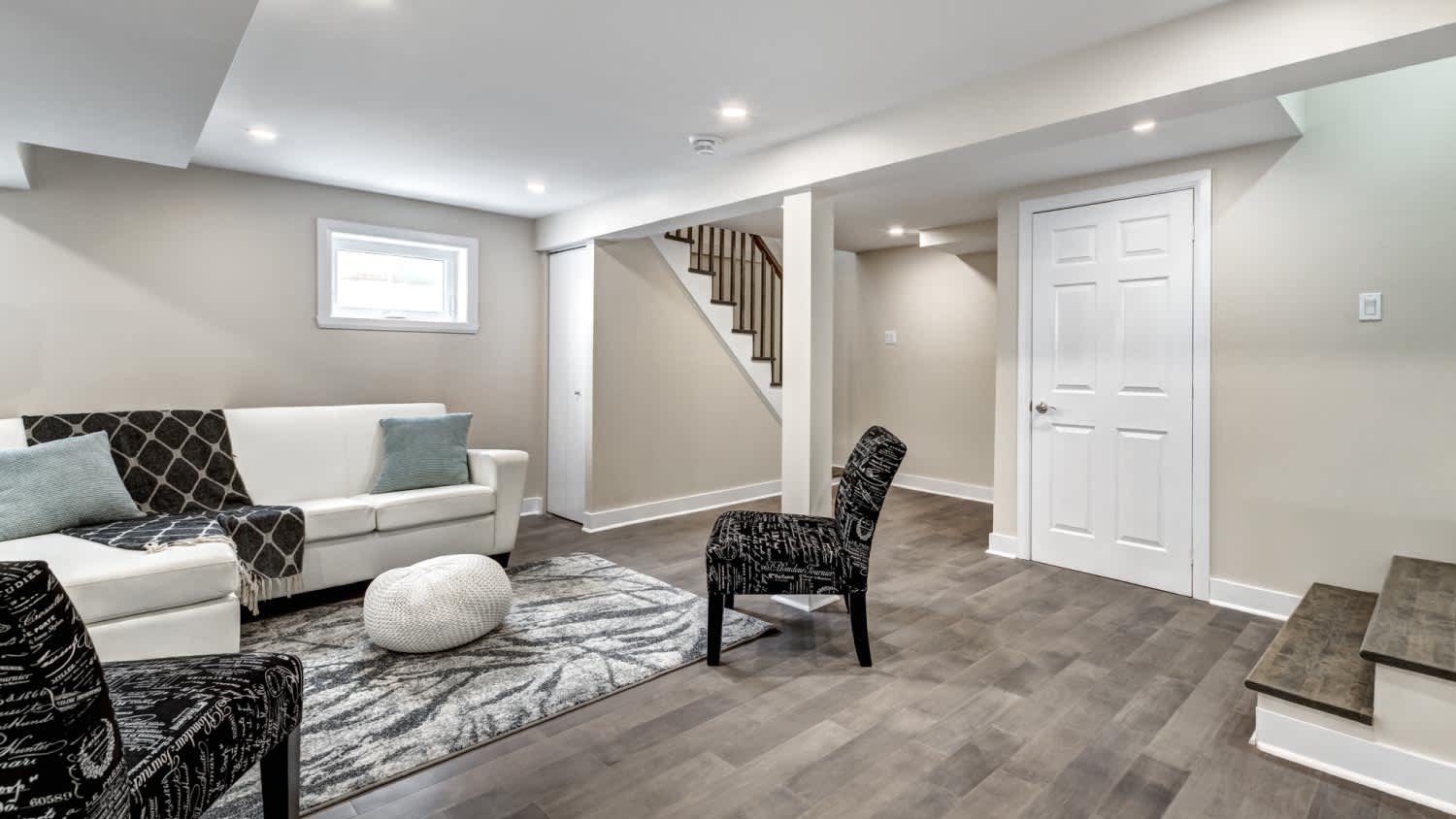
Yes, in most cases, finishing a basement is worth the cost. The project adds valuable, usable square footage to your home and typically provides a return on investment (ROI) of 70% to 75%. For example, an average basement refinishing project costing $32,000 could add between $22,400 and $24,000 to your property's value. The final value added depends on factors like your location, the quality of materials and workmanship, and the features you include, such as a living space, bedroom, or bathroom. To be officially counted in your home's total square footage, the finished space must comply with all local building codes, including requirements for points of egress. However, in areas prone to flooding, a finished basement might be seen as a liability by potential buyers and could potentially decrease your home's value.
Finishing a basement can provide a great return on investment, by increasing the market price of your home when you want to sell. Beyond that, there are many reasons to finish your basement. Doing so expands the usable square footage of your home, so you can enjoy it more, even as your family grows. Renovating your basement costs less in terms of time, energy, and money than having to search for and buy a new home.
Some older homes have toilets in the basement to combat sewage backups. This type of toilet, also known as a Pittsburgh potty, acted as a safety valve over the incoming sewer line. If a line backed up, it would back up into the toilet because it was the lowest fixture in the home, keeping it out of sight and away from the finished areas of the house.
Basement toilets were also used by workers with messy jobs, like those who worked in coal mines or steel mills. This way, they could clean up and avoid tracking dirt through their home.
If you’re not sure which method of raising the ceiling is best for you, here are a couple of considerations to help you make that decision. A professional ceiling company will be able to help you determine the best option for your home.
How long you are planning to live there: although raising the basement ceiling will increase the value of your home, if you’re planning to sell the house, then go for raising the house.
The condition of the foundation: to lower the floors, your foundation has to be intact whereas raising the house will allow you to restore the damaged foundation.
Efficient appliance positioning, optimizing existing plumbing, and sourcing energy-efficient materials reduce financial impact and increase sustainability.
The Greasewood, AZ homeowners’ guide to basement remodels
From average costs to expert advice, get all the answers you need to get your job done.
If your basement ceiling is low, there are ways to raise it. Learn more about the cost to raise a basement ceiling to be able to enjoy your basement and create a more usable space in your home.
Hiring a bad basement remodeler can wreak havoc on the look and longevity of your unfinished space. Here are red flags to look for as you vet basement contractors.