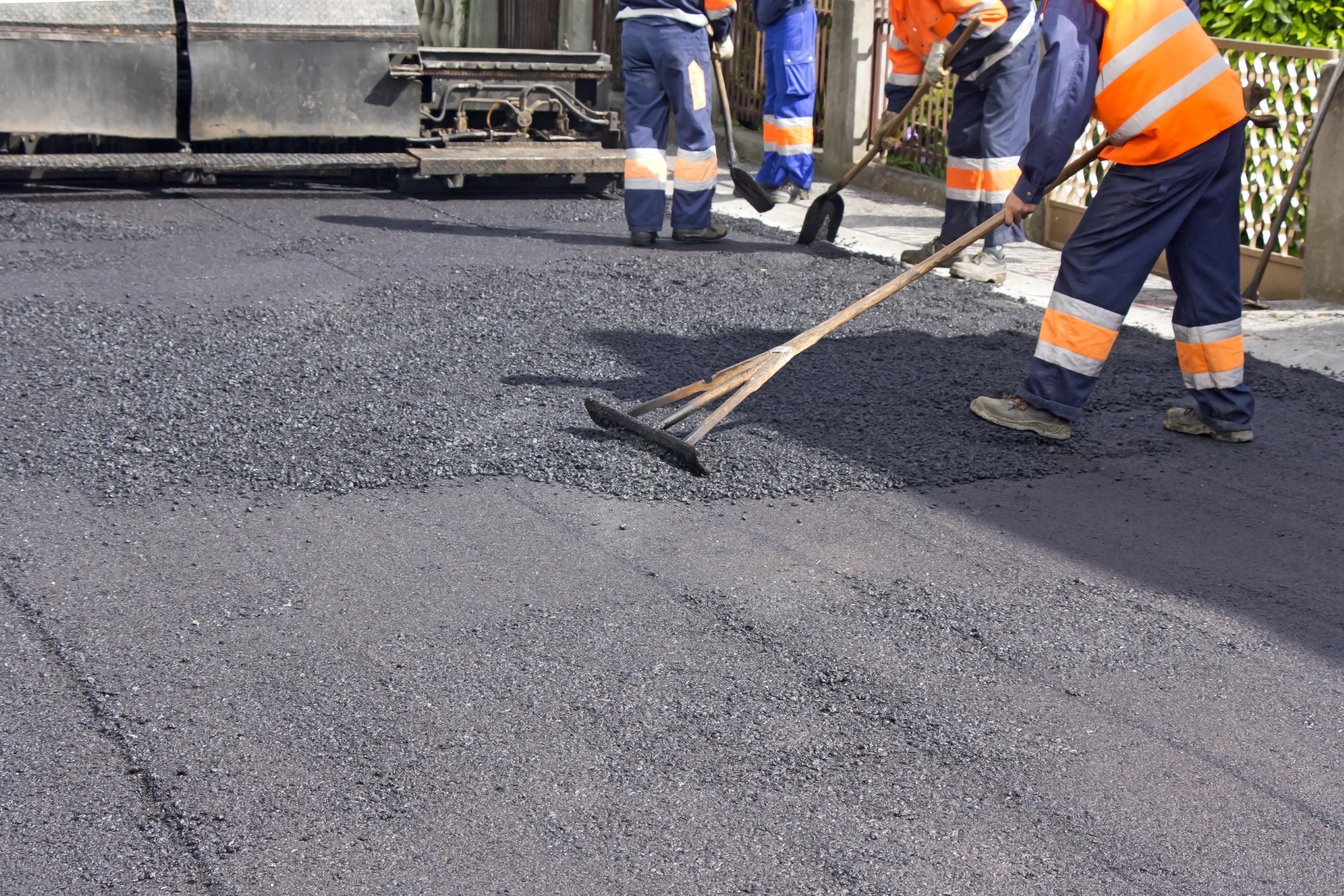
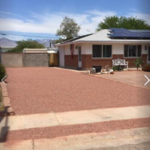
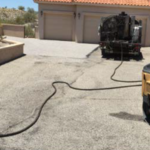
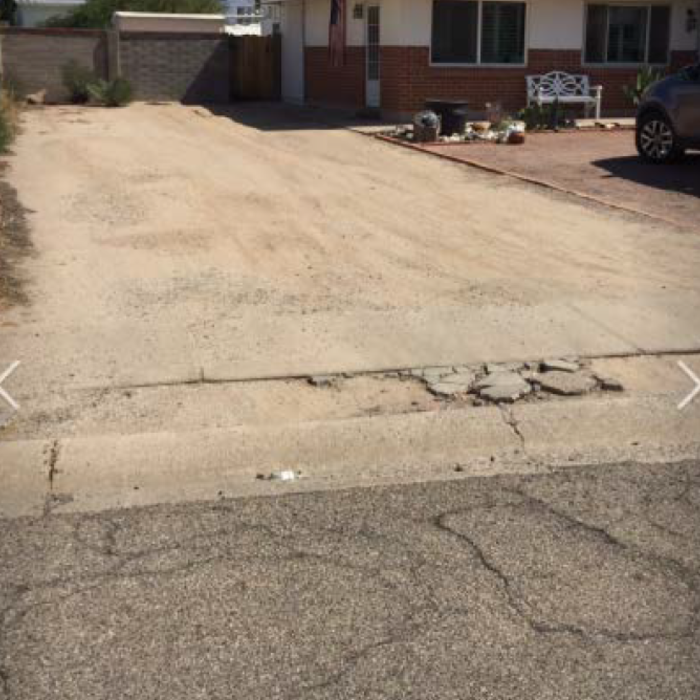
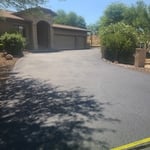
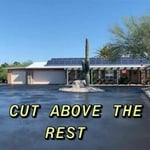
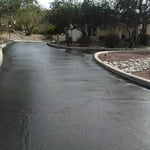
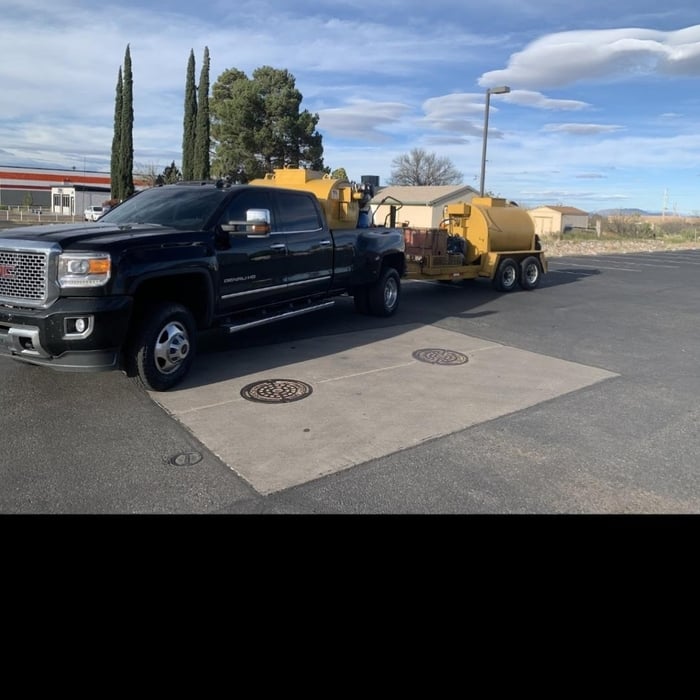
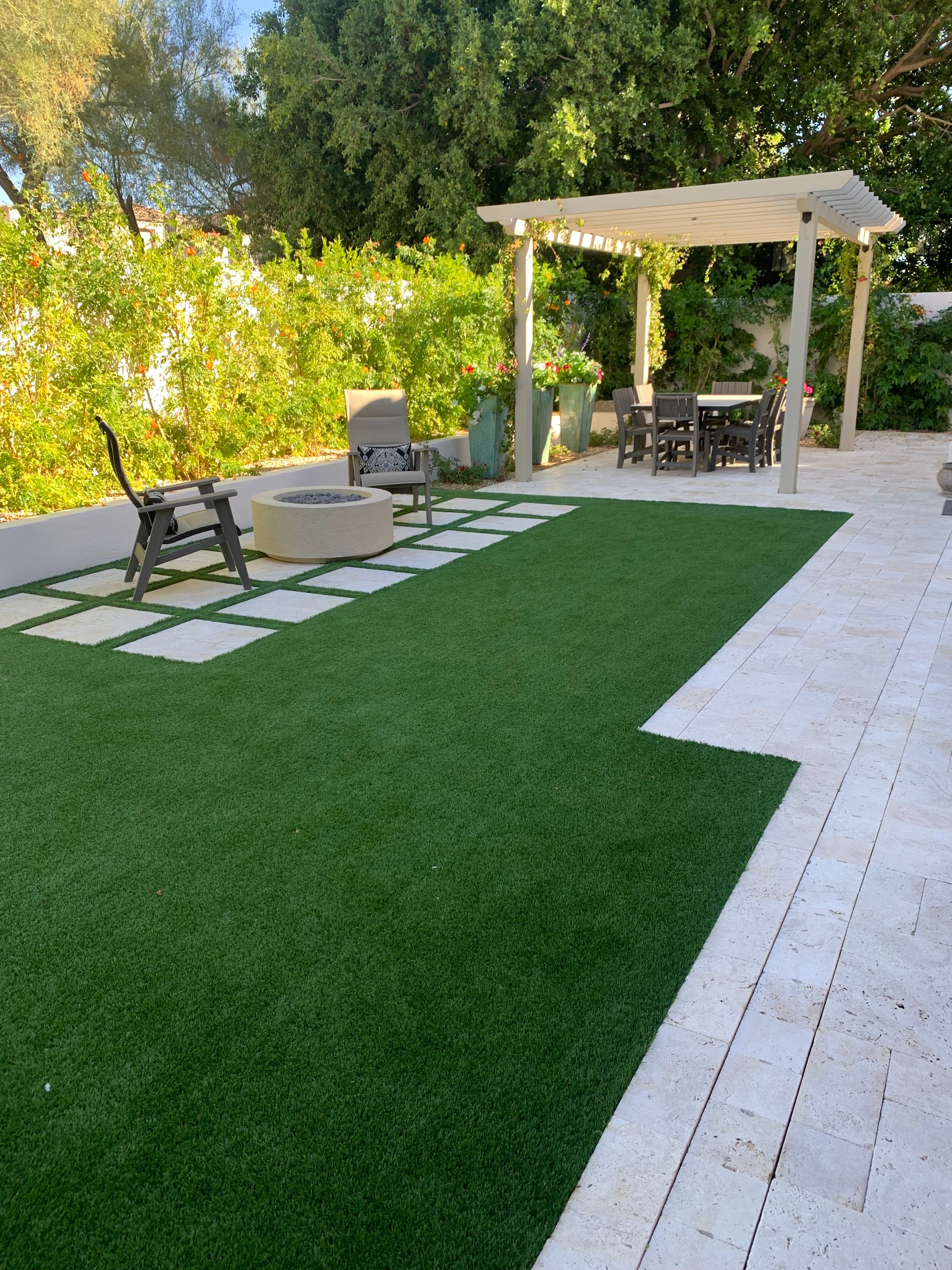
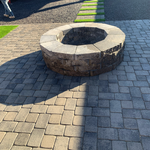
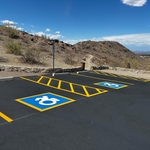
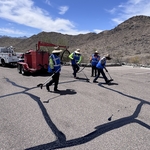
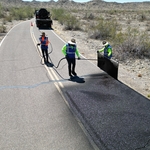
"Driveway is done!! They took it from a camper on grass and rocks, falling apart driveway, crumbling parking pad to a gorgeous solid camper pad, parking pad, flat, no standing water on the driveway area. Leonard and the entire crew was the friendliest, most professional group, they worked hard, showed up when agreed on, finished quickly and gave me a “walk around” to make sure it met my standards before leaving. I got to meet the owner several times, he treated us like he’d known us forever each time we talked. I would definitely recommend APS Chip Seal & Paving."
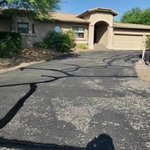
"Anthony and his crew were on time and did a fantastic job! They didn't leave until the job was completed. We have a hilltop driveway and all I can tell you was WOW, what a beautiful driveway I have now because of Seal Right. Thank you Anthony!"
"Thank you Flores Landscape! Great service, quick to reply and quick to fix my broken fountain pump. Working perfectly now. I will call them again for future work. - Holly"
"The people at Pro Seal really are experienced Our job required crack sealing and seal coating all the streets in our gated community. The work was coordinated in such a way that our residents experienced very little inconvenience. All of the workers were so skilled, thoughtful, and conscientious. We could tell they do a lot of this work. They were the most competitive bid as well. We highly recommend them! Timbers Residents"
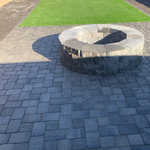
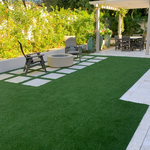
"I highly recommend Alta Sierra Landscaping, they did an amazing backyard transformation. Jose was very professional and provided great ideas to create an eden at home !! Jose and his crew installed a stone patio, synthetic turf, a waterfall and an irrigation system. He is very creative and his attention to detail is superb. Job was well done, very clean and very quick. They all are professionals and have great customer service. I would definitely hire them again for any future jobs. Highly recommend."
Established in 2019, Spray It Right Sealcoating & Striping is a premier asphalt contractor company dedicated to transforming parking lots across Arizona. We specialize in comprehensive asphalt solutions, including sealcoating, crack filling, and professional striping. Our experienced team expertly handles everything from minor patchwork to complete overlays, ensuring every project, big or small, meets our high standards for quality and durability. We are committed to delivering exceptional value and impeccable results, revitalizing worn-out surfaces into seamless, pristine, and attractive parking areas. Choose us for superior craftsmanship and a lasting finish.
"Valor was wonderful to work with. They faced the rare instance of rain affecting the schedule and instead of just pushing us back they worked between the rainstorms and finished the project on Saturday, again working around the rain. Our street looks awesome. Their crew was also friendly and courteous. They also showed concern for the elderly in our community and supplied a cart to transport people to their vehicles parked on other streets. Highly recommend this company."
We pride our company on reliability, great communication, integrity, and quality work. We are experts in our trade and will do our best to keep you as educated as we can on your particular task or project. We look forward to earning your business! Book with us online or feel free to give us a call today!
"Victor and his team did an outstanding job with the landscaping at my house. The yard looks great, and I really appreciated Victor’s professionalism, communication, and attention to detail throughout the process. He made sure everything was done the right way and took pride in the final product. I would definitely recommend Victor to anyone looking for quality landscaping work."
"Nothing but a positive experience from Aaron Trail. Very easy to communicate with. Very prompt, kept all appointments. The new paint looks amazing and just the colors we selected. All stucco repairs that were made were blended so well, there is no way to tell where the original issues were! I already have recommended them to friends and family, I will continue to do so. Very happy with Aaron Trail! "
Sometimes, when people talk about asphalt driveways, they’re actually referring to asphalt concrete, which is a completely different compound. Asphalt concrete is asphaltic cement combined with sand or grit. It is significantly more lasting and durable than regular asphalt but also much more expensive. If you’re considering using asphalt concrete, ask an asphalt company for their expert opinions.
Since it has a smoother surface using a mixture of finer rock and sand, 41A tends to be the best asphalt grade for a driveway, especially for residential driveways. Other options are available, but more homeowners choose 41A for a smoother asphalt driveway. Talk with your asphalt driveway professional for recommendations of the best grade for your specific driveway.
If your driveway is cracked, you can repave it with a process called asphalt overlay. Overlay is more cost-effective than a full replacement but is better suited for minor cracks and issues. If you have major cracks or other problems like water pooling, asphalt overlay isn’t your best bet. Plus, paving over a cracked driveway only extends the lifetime by about 10 years, whereas replacing it would start the clock over completely to give you up to 30 years.
Yes, with colored finishes and decorative stamping for a personalized touch.
Gravel is the most economical and least expensive driveway material, costing between $1 and $3 per square foot. This is significantly cheaper than alternatives like asphalt or concrete. However, it's important to consider long-term costs, as gravel driveways require regular maintenance. You will likely need to add new gravel filling once or twice a year and regularly rake it to keep it level, which can add to the overall cost over time.
The Dateland, AZ homeowners’ guide to asphalt driveway services
From average costs to expert advice, get all the answers you need to get your job done.
Adding a new asphalt driveway to your home can boost its overall appearance and give homeowners a nice ROI down the line. But how long do asphalt driveways last, and what can you do to maximize their lifespans? Read this guide to find out.