"Gauge is a Representative who puts his Clients first. He reminds me, of a younger me. (This says a lot, because I was always a top notch Sales Rep and I retired early, as a result of my personal efforts and how I always did, as I said, and placed my Clients as top priority). I have yet to begin my project, but he won over my business and I?m excited to see the results. I?m confident they will exceed my expectations."
"Q" Diamond Concrete has been in business since 1995. We specialize in residential concrete, including foundation work, driveways, patios, walkways, as well as stamped concrete. We have experience in large custom homes, tracts of new homes, additions and remodels. We also install faux flagstone on patios and walkways. We take great pride in our work for 100% customer satisfaction.
Trenching and boring are two distinct methods for installing underground utilities. Trenching involves digging a channel using equipment like an excavator, trencher, backhoe, or shovel. While it is a simpler process, it causes significant disruption to the surface, landscaping, and surrounding ecosystems.
Boring, also known as directional boring, is a less invasive alternative that uses a drill to create a tunnel for utility lines without disturbing the surface. This method is more precise and is ideal for installations that need to go underneath buildings, roads, or bodies of water. Although boring is less disruptive, it is generally more expensive than trenching.
There is no real alternative to underpinning, although mudjacking and polyjacking are other repair methods that can add support from underneath your foundation. Rather than placing supportive piers under your structure, these involve pumping a material under your slab to lift a sunken section back into its original position. Polyjacking, in particular, is sometimes a suitable solution for stabilization issues under slab foundations, but underpinning is often accepted as the best and most permanent solution.
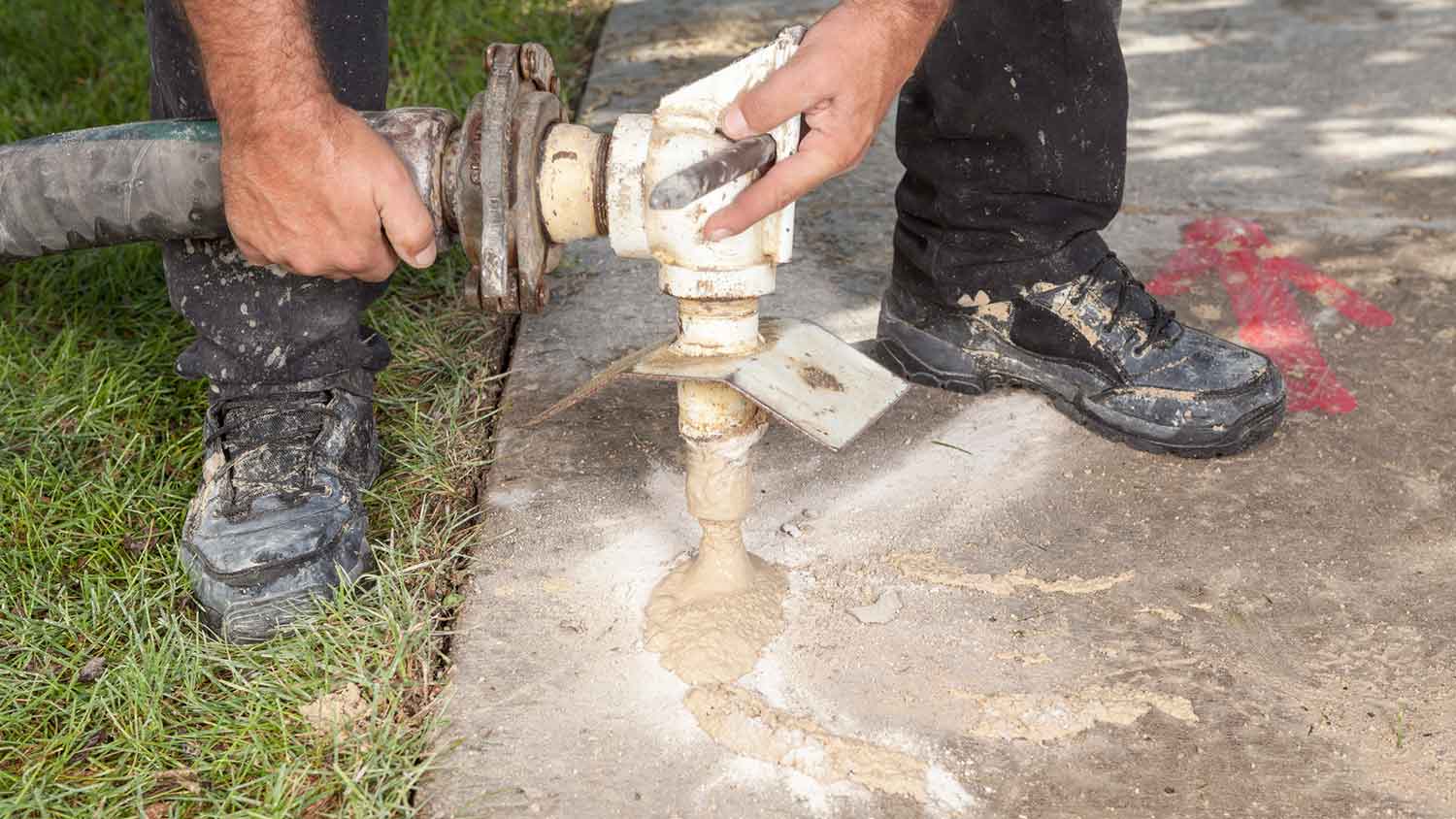
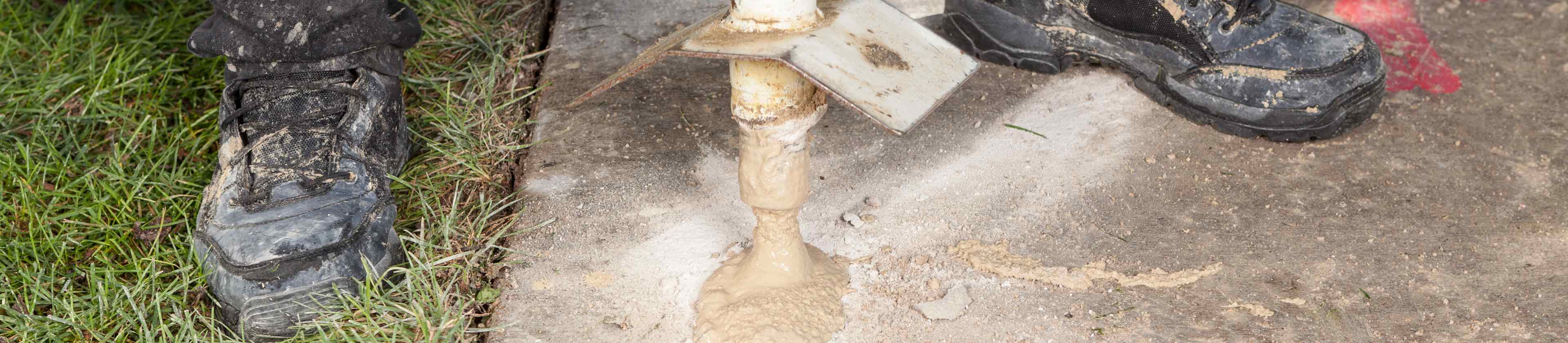
Pros often use mudjacking or polyurethane foam injection to level a sunken concrete patio. Both methods lift the slab by filling voids beneath it. After properly compacting the soil beneath it to prevent future settling, the concrete may need to be removed and re-poured for severe sinking.
A sinking foundation can be lifted, most often by installing piers to re-level and support the weight of the house. Depending on the cause and extent of the sinking, other methods to lift a foundation include underpinning and mudjacking. Consult a foundation repair pro to determine the best way to lift your sinking foundation.
Mudjacking is your best bet for leveling concrete on a tighter budget. It’s less expensive than foam or grout mixture. For smaller, surface-level issues, you could also use a self-leveling compound, which creates an even surface over existing concrete—it’s a budget-friendly option suitable for DIY enthusiasts.
The Dateland, AZ homeowners’ guide to concrete leveling services
From average costs to expert advice, get all the answers you need to get your job done.
Learn about concrete leveling and how it can fix uneven surfaces, from sunken sidewalks to uneven driveways, and boost your home’s safety and curb appeal.
Sunken concrete can be a structural issue, but a professional can easily repair it. Ask these concrete injection leveling and mudjacking questions before you hire.