
Top-rated lead testing and removal specialists.

Get matched with top lead testing and removal specialists in Clifton, AZ

Enter your zip and get matched with up to 5 pros

Need a pro for your lead testing and removal project in Clifton, AZ?

Select your specific project to find the pro for you.

Find Lead testing and removal specialists in Clifton

Avatar for HCP Restoration, LLC
HCP Restoration, LLC
5.0(
7
)

Serving Clifton, AZ and surrounding areas

Approved

In business since 2020

Free estimates

Emergency services offered

"Condensate line was leaking in kitchen wall. Had to remove half of kitchen to get to problem. They found the leak, repaired, remediated and then restored! Kitchen is as good as new!"
Response time8 hrs
Response rate100%
1 neighbors recently requested a quote
Avatar for Legacy Pro Restoration
Legacy Pro Restoration
5.0(
12
)

Serving Clifton, AZ and surrounding areas

In business since 2021

Free estimates

Credit card accepted

"Work was very smooth! They came out right about and dried everything out from the broken pipe and the build back went significantly smoother than I anticipated. Andrew and Ethan were very professional as well as all the help they had during the process."
Legacy
12 neighbors recently requested a quote
Recommended by50%of homeowners
Lead Testing and Removal questions, answered by experts

According to the Environmental Protection Agency (EPA), hazardous waste is generally classified into four main categories:

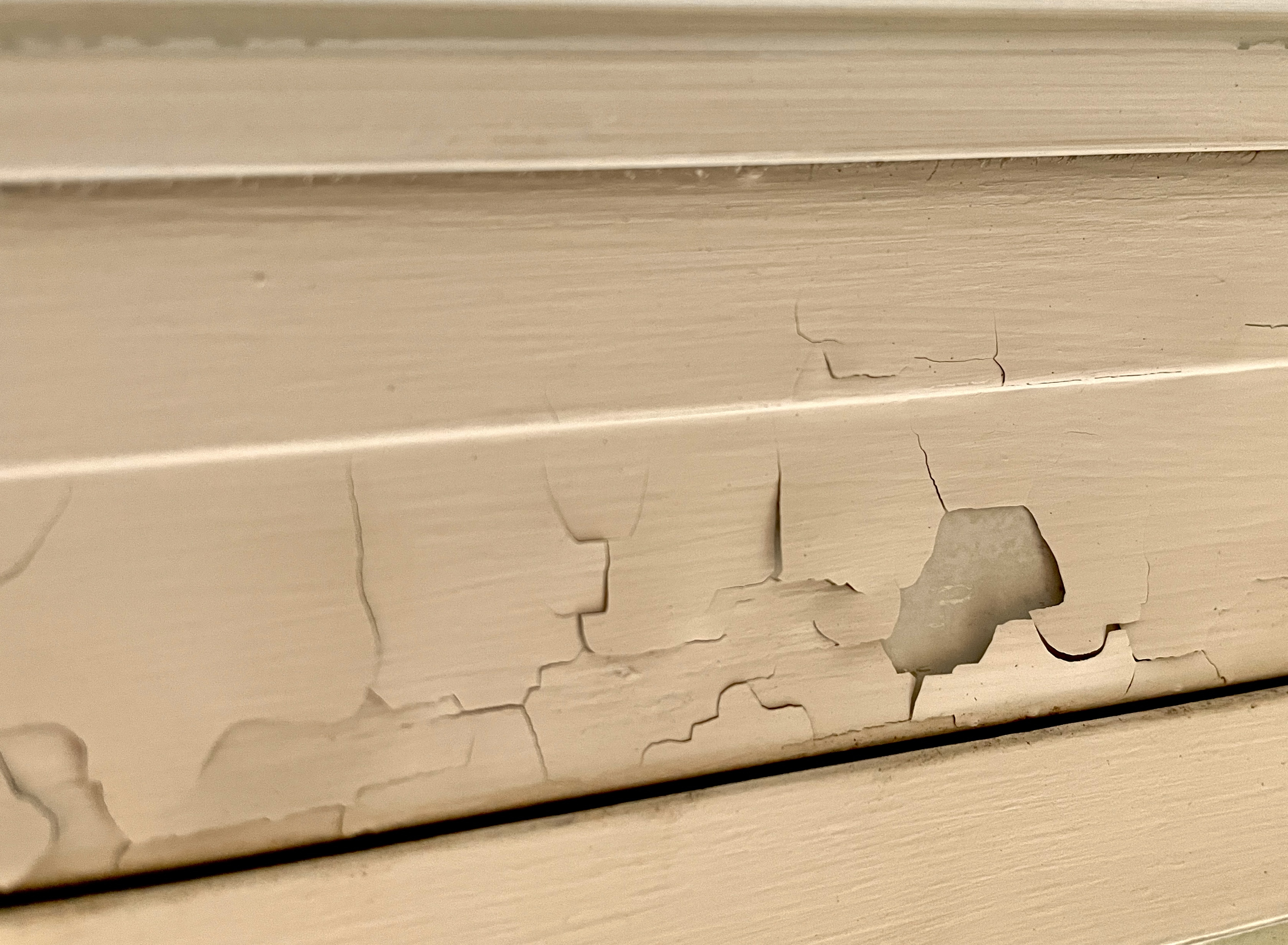
1. Characteristic Wastes: These exhibit at least one of four hazardous traits: ignitability (flammable, like gasoline), corrosivity (can rust or decompose materials, like car batteries), reactivity (unstable and can explode, like aerosol cans), or toxicity (harmful when ingested, like lead-based paint).

2. Listed Wastes: These are specific wastes from manufacturing and industrial processes that the EPA has officially designated as hazardous. They include byproducts from processes that use solvents, pesticides, and other chemicals.

3. Universal Wastes: These are commonly generated hazardous items that are subject to streamlined regulations. Examples include batteries, pesticides, mercury-containing equipment (e.g., bulbs), and some lamps.

4. Mixed Wastes: This category includes waste that contains both hazardous and radioactive components, making it subject to regulation by both the EPA and the Nuclear Regulatory Commission.

Mold, VOCs, radon, carbon monoxide, and particulate matter are typically measured.

Avoid disturbing suspected lead-containing materials and follow professional guidance on sample collection.

Some causes of brown well water—like excess tannins or dissolved iron—don’t pose a health risk. In other cases, harmful bacteria might be the culprit. If your well water has suddenly turned brown, it’s a good idea to use a home water test kit to get a better sense of what’s going on with your water. Consider calling a professional for an expert opinion before drinking the water and hoping for the best.

According to the EPA, there is no safe level of lead in the blood, and so the maximum contaminant level goal (MCLG) for lead in water is zero. Even at low levels, lead is harmful to human health. It can also remain in the body and build up over time with repeated exposure.

The Clifton, AZ homeowners’ guide to lead testing and removal services

From average costs to expert advice, get all the answers you need to get your job done.