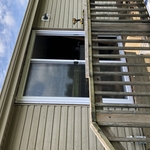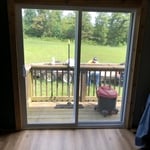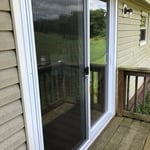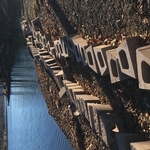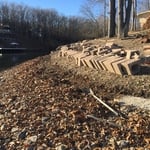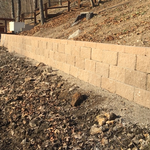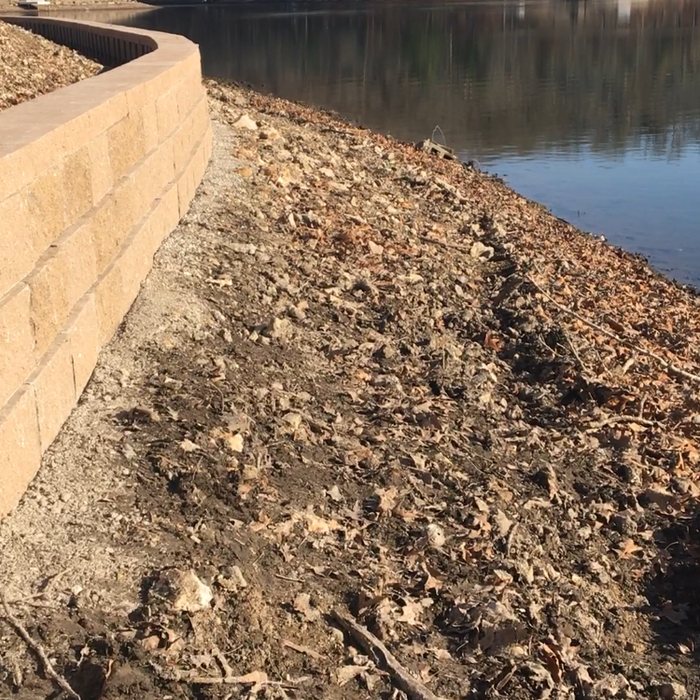






"They built a walkway and patio in challenging terrain. It came out beautifully. Paco explained every step of the way and did not mind all my questions."
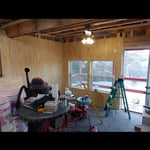
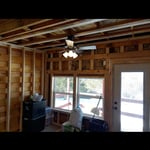
"Arlis is very personable. He did great work in a timely manner and on budget. His craftsmanship was professional grade and he explained the process. He took my project list of enclosing a deck and made it better than I expected. Great work."
"Appreciated the engagement from the team. Addressed all the request and had final walk through for final inspection. I would recommend their services!"
"The company was very responsive and quick to estimate and schedule. The man arrived on time and with everything he needed to complete he job. We will definitely h.ire them again"
Several types of porches are available to meet your needs and style preferences. Some common porch types include:
Porticos are essentially a roof over a walkway leading to the home's front entrance.
Sunrooms are closed-in porches that are an extension of the house with glass or plastic panels that allow optimal sunlight.
Wraparound porches extend around the entire home, or at least the front and one side, and offer multiple entrances to the house.
Back porches are an extension of the home’s floor into the outdoors. These offer more protection and privacy than a deck.
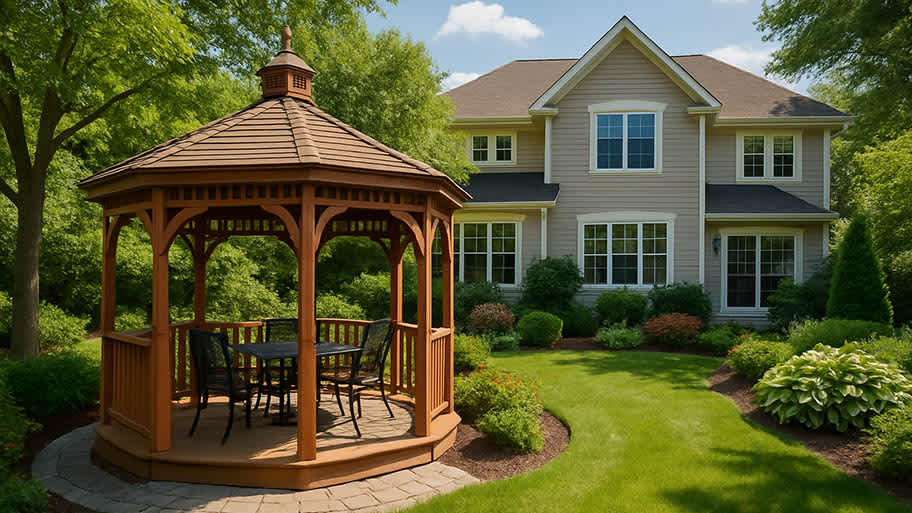
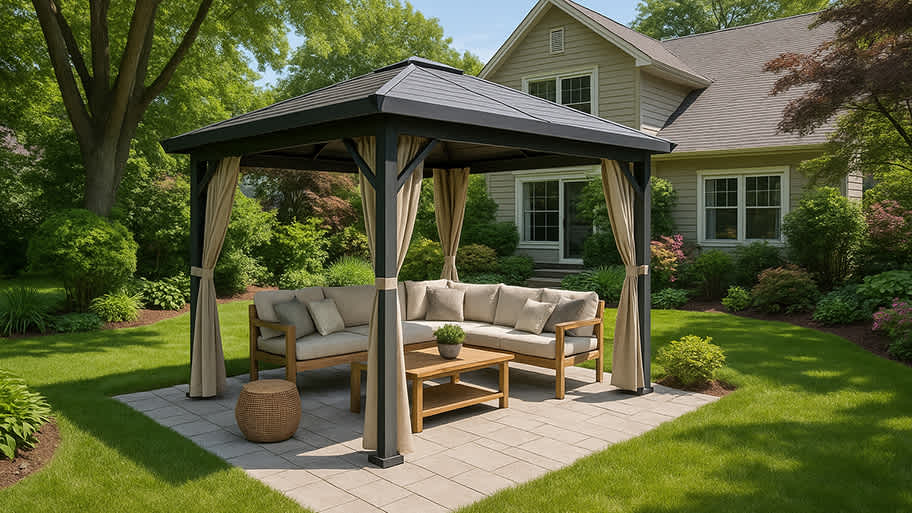
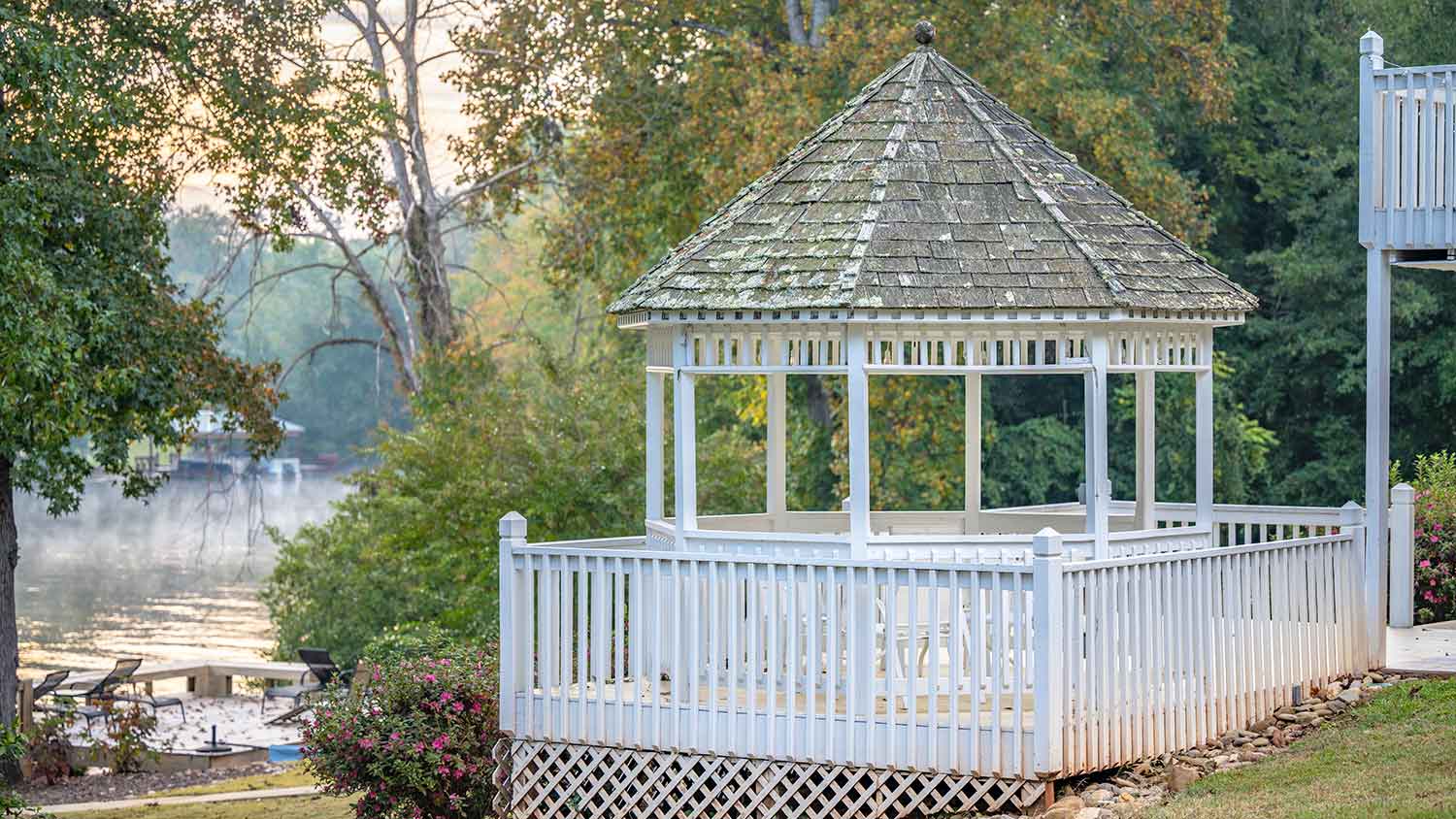
On average, building or installing a gazebo costs around $5,700, with a typical range between $3,000 and $10,000. The final price depends on several factors, including the gazebo's size, shape, material, and design complexity. Material choice is a significant cost driver; for example, brick is often more affordable, while metal can be one of the more expensive options. Square-shaped gazebos can also be more expensive to build. Custom features, such as built-in seating or lighting, will increase the total price. You may be able to save money by purchasing a prefabricated gazebo kit or performing some of the labor yourself.
Yes, many gazebos are permanent structures built onto the land. However, if you have a portable gazebo that isn’t secured to the ground, you’ll want to check the manufacturer’s instructions to understand when to put it away. Generally speaking, when it’s particularly windy or wet outside, you should take down your temporary gazebo.
Clean regularly, seal wood surfaces, and inspect for damage or rust to ensure longevity and safety.
Using concrete footers is the best way to secure a gazebo on a deck without drilling. The weight of the footers is more likely to hold your gazebo in place than other methods. You can also pour concrete into flower pots to create an aesthetically pleasing concrete footer or use concrete columns to make a statement.
The Rogers, AR homeowners’ guide to gazebo services
From average costs to expert advice, get all the answers you need to get your job done.
A landscape designer can elevate your outdoor space and bring your vision to life. Use this landscape design cost guide to budget for your next project.
What is a gazebo? In short, it’s a shade structure that’s ideal for outdoor entertaining. Read this guide to learn more and decide if a gazebo is right for you.