


Top-rated radon detection and reduction specialists.

Get matched with top radon detection and reduction specialists in Monticello, AR

Enter your zip and get matched with up to 5 pros

Need a pro for your radon detection and reduction project in Monticello, AR?

Select your specific project to find the pro for you.

Find Radon detection and reduction specialists in Monticello

Avatar for Ozark Radon Gone Corp.
Ozark Radon Gone Corp.
5.0(
24
)

Serving Monticello, AR and surrounding areas

In business since 2021

Free estimates

"Very satisfied with Brian's workmanship and professionalism. Quality of installation was excellent. Our radon reading immediately lowered to well below safe level."
Response time7 hrs
Response rate85%
2 neighbors recently requested a quote
Radon Detection and Reduction questions, answered by experts

Mitigation can take several days depending on home setup, equipment accessibility, and achieving effective diffusion system sealed efficiency.

Radon is the number one non-smoking cause of lung cancer in the United States, but it can cause some other concerning side effects in the meantime. If you have a raspy voice, chest pains, trouble breathing, difficulty swallowing, or any of the above, don’t hesitate to perform radon testing and install a mitigation system as soon as possible.

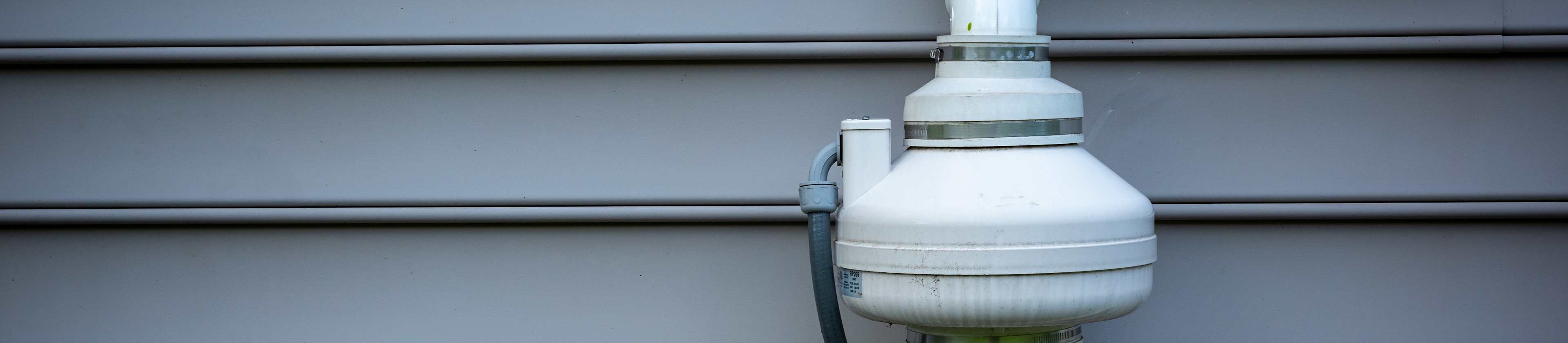
Your radon mitigation system may be loud because it’s time to replace it. Any sounds are usually from the inline fan that helps create the vacuum and resulting airflow. If you hear a new, loud mechanical or humming noise from your radon fan, it might be time to replace it. Most fans used in radon mitigation systems last up to 10 years, but may need to be replaced sooner.

You'll need to test your home for radon after installing the mitigation system, then again every two years. If radon remains elevated, contact a licensed radon professional, either the contractor who installed the system or a different one, and have them evaluate the system. They may need to make some changes to improve its effectiveness and performance.

Radon enters your home when warm air begins to rise and exits through the roof, creating a vacuum that pulls cooler air from under the foundation. Part of that air is radon, which is an invisible, odorless gas that develops naturally when radioactive particles are deep within the ground. Those particles usually come from decaying matter in soil and rocks.

The Monticello, AR homeowners’ guide to radon detection and reduction services

From average costs to expert advice, get all the answers you need to get your job done.




