


Top-rated radon detection and reduction specialists.

Get matched with top radon detection and reduction specialists in Madison, AR

Enter your zip and get matched with up to 5 pros

Need a pro for your radon detection and reduction project in Madison, AR?

Select your specific project to find the pro for you.

Find Radon detection and reduction specialists in Madison

Avatar for Ozark Radon Gone Corp.
Ozark Radon Gone Corp.
5.0(
24
)
Radon Gas - AbatementRadon Gas - Testing

Serving Madison, AR and surrounding areas

In business since 2021

Free estimates

"Very satisfied with Brian's workmanship and professionalism. Quality of installation was excellent. Our radon reading immediately lowered to well below safe level."
Response time7 hrs
Response rate86%
Recommended by70%of homeowners

HASS Consulting LLC
5.0(
4
)
Radon Gas - Testing

Serving Madison, AR and surrounding areas

In business since 2023

Free estimates

Credit card accepted

"I was extremely happy with the Quality Air Test that Mr Clark provided. It was reasonably priced and done effectively and efficiently… Results were received in a timely manner as he explained. He answered any questions I had and was professional and polite… I highly recommend HASS Consulting…"
Response time7 hrs
Recommended by75%of homeowners
Radon Detection and Reduction questions, answered by experts

The cost for a radon mitigation system typically ranges from $800 to $1,500, with an average around $1,000. The final price depends on several factors, including the size of your home, the severity of the radon issue, and the type of system required. Your home's foundation type also significantly impacts the cost. For example, sealing and ventilating an unfinished basement might cost around $4,600, while encapsulating a crawl space without a foundation slab can range from $1,500 to $15,000.

No level of radon is technically safe, but since it is naturally present everywhere, it is impossible to avoid entirely. The average radon level in homes across the United States is 1.3 picocuries per liter (pCi/L). The Environmental Protection Agency (EPA) recommends taking action to reduce radon levels if your home's test results are between 2 and 4 pCi/L or higher.

If high radon levels are detected, steps include sealing entry points, installing a mitigation system, and retesting the air regularly to ensure reduced levels.

Options include sub-slab depressurization, crawlspace ventilation, and sealing cracks. Choose based on home construction and radon levels.

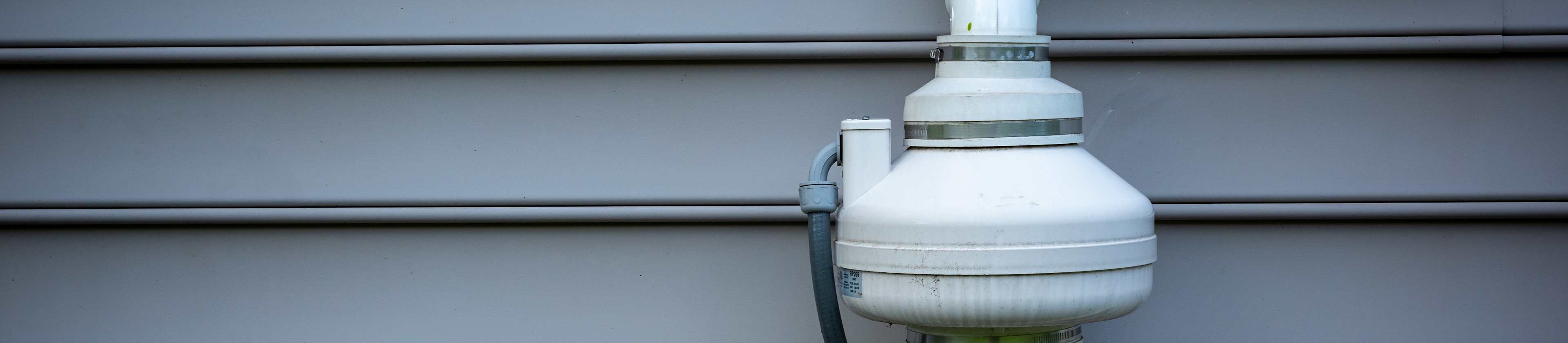
Your radon mitigation system may be loud because it’s time to replace it. Any sounds are usually from the inline fan that helps create the vacuum and resulting airflow. If you hear a new, loud mechanical or humming noise from your radon fan, it might be time to replace it. Most fans used in radon mitigation systems last up to 10 years, but may need to be replaced sooner.

The Madison, AR homeowners’ guide to radon detection and reduction services

From average costs to expert advice, get all the answers you need to get your job done.



