






Top-rated structural engineers.

Get matched with top structural engineers in Lamar, AR

Enter your zip and get matched with up to 5 pros

Need a pro for your structural engineering project in Lamar, AR?

Select your specific project to find the pro for you.

Find Structural engineers in Lamar

Avatar for Hall Engineering, Ltd.
Hall Engineering, Ltd.
4.6(
167
)

Serving Lamar, AR and surrounding areas

In business since 1999

Credit card accepted

"The structural engineer I hired has been very quick tonrespind and provides nothing but what you'd expect from a professional. Easy to work with and knowledgeable, and very to the point. Thank you home advisor. You saved me on this one"
Joist Crack
Foundation Wall Cracks
Brick Cracks
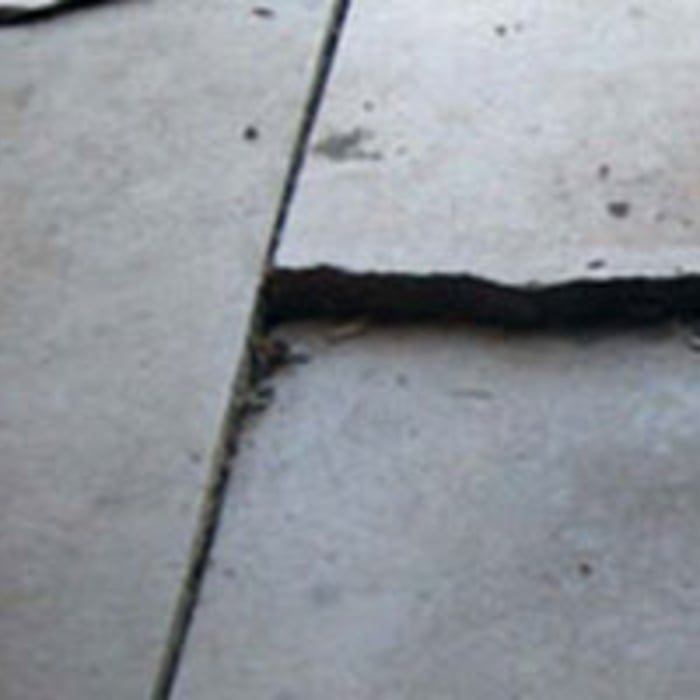
Slab Cracks
Slab Cracks

+1

Response time11 hrs
Recommended by91%of homeowners
Structural Engineering questions, answered by experts

It is not recommended to cut or drill into LVL (laminated veneer lumber) beams. As major structural components of a home, their composite structure can be compromised by alterations, which can weaken them and lead to cracking over time. If you must make modifications to an LVL beam, it is crucial to consult a structural engineer or general contractor first. A professional can advise on whether it's safe and provide specifics on the appropriate bit size, depth, and directionality for any necessary drilling.

The standard thickness for an LVL beam is between 1.75 inches and 7 inches. However, you can order LVL beams in non-standard sizes as well. When you work with a contractor, they can source beams that are the appropriate size for your project for you after assessing your blueprints.

Dormers must be able to bear the load of their own construction and the added window. The style of the dormer, however, will determine where the weight loads onto your home's structure. A gable dormer bears the weight on the side walls whereas a shed dormer bears it on the front walls.

No, beams are the primary load-bearers for flooring or roofing systems, and they distribute the weight of the structure to your foundational supports, while joists bear far less weight and distribute their loads to the beams. Beams are usually thicker and longer, and they have support posts or foundation walls beneath them for support.

A freestanding brick wall that's only one brick thick can usually stand six to eight feet high. If you need a higher wall, it should be at least two bricks thick for adequate stability, and it might require a footing to support the added weight. Additionally, some areas have regulations and codes dictating how high a brick wall can be, so check with local code enforcers to ensure your proposed wall complies with any regulations.

The Lamar, AR homeowners’ guide to structural engineering services

From average costs to expert advice, get all the answers you need to get your job done.

What do you need done? We’ll find top pros.
  • 🌱 "Mow a small front yard"
  • 🛠 "Fix a leaking pipe under the sink"
  • 🏠 "Repair shingles on an asphalt roof"