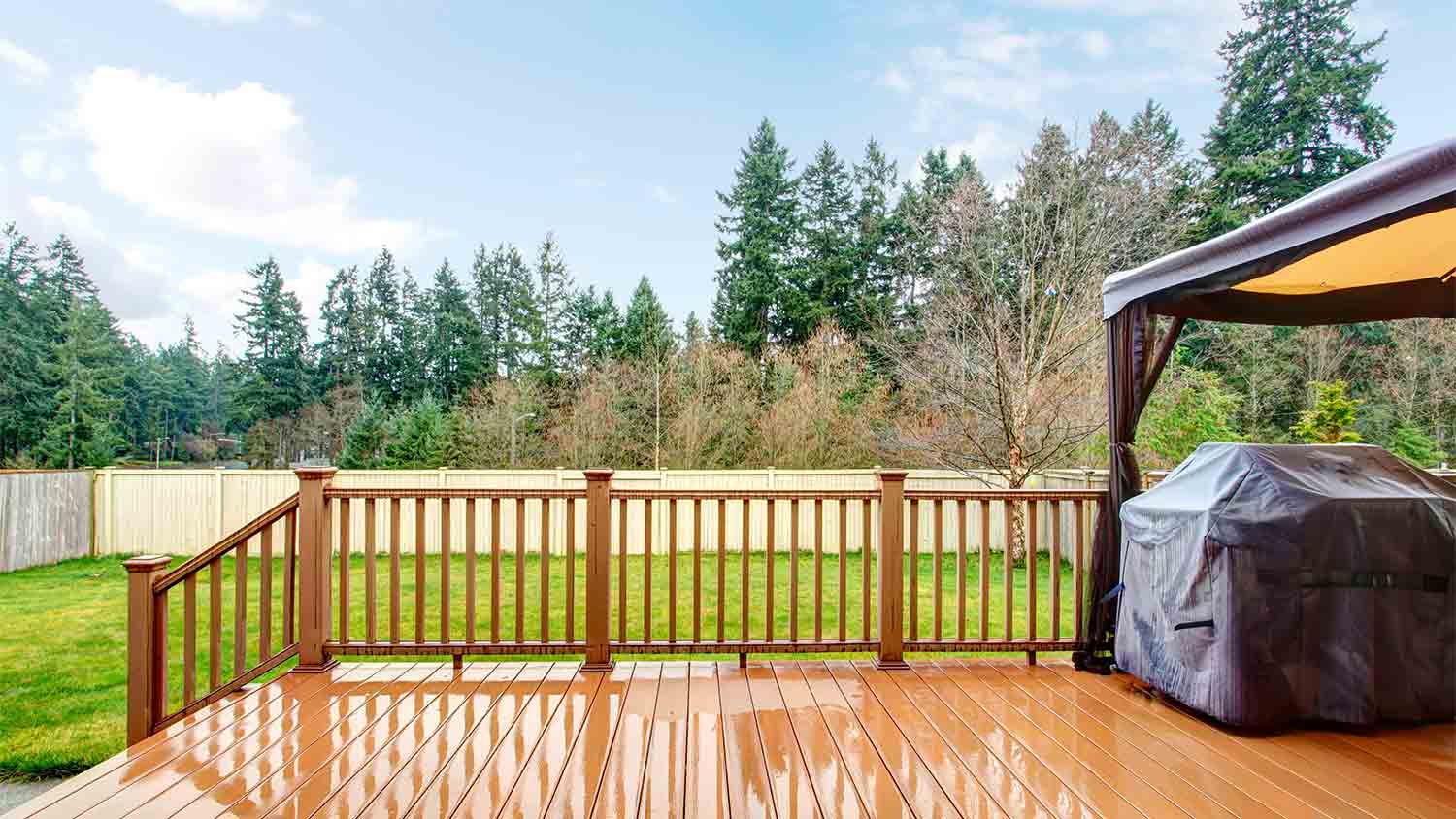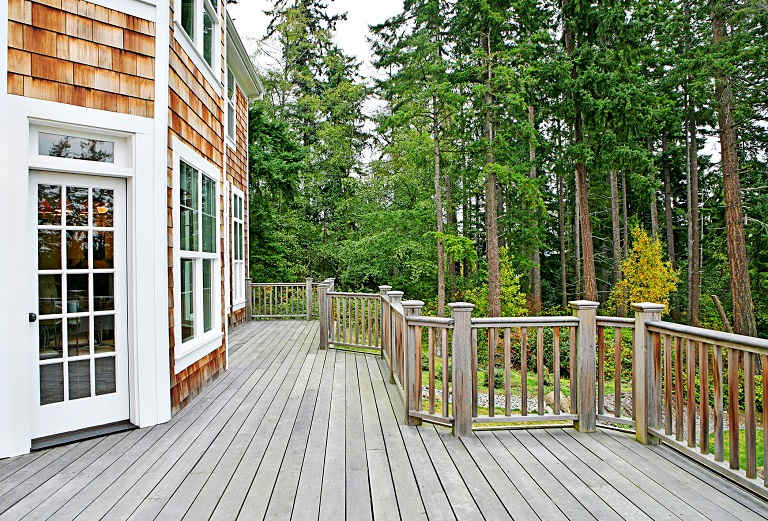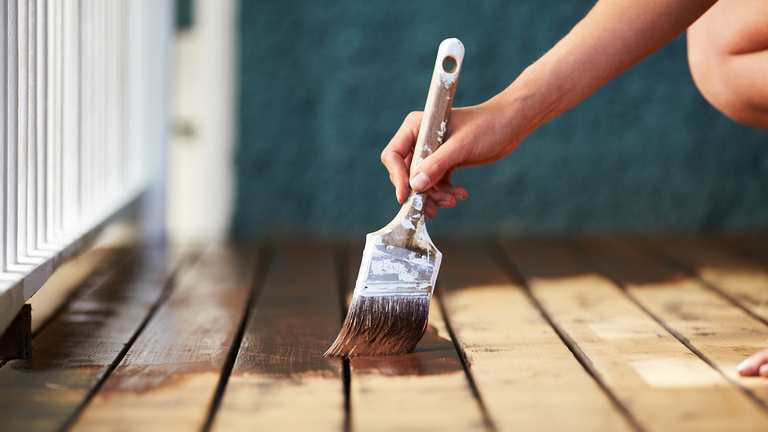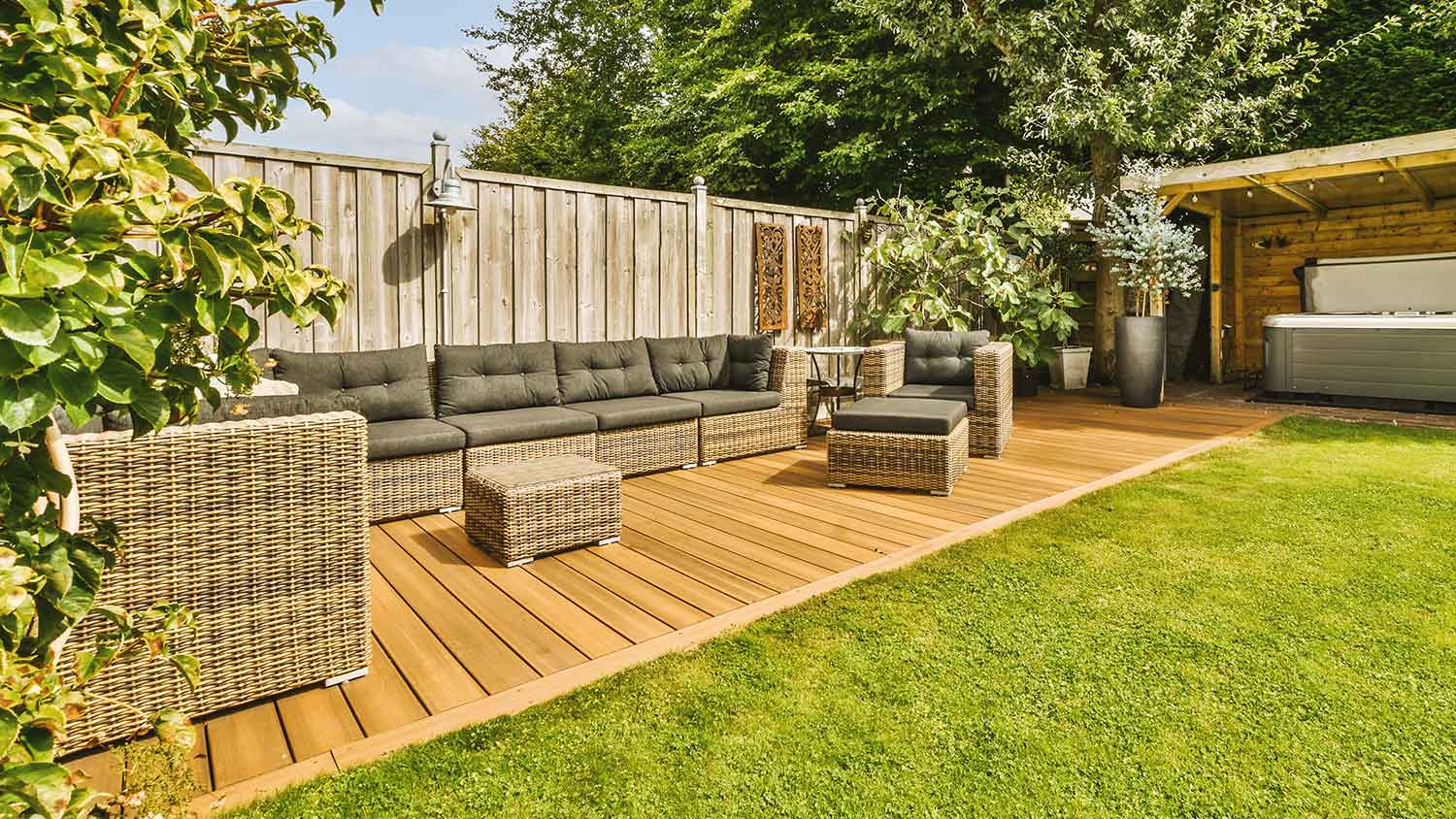





Top-rated deck staining pros.

Get matched with top deck staining pros in Glenwood, AR

Enter your zip and get matched with up to 5 pros

Need a pro for your deck staining project in Glenwood, AR?

Select your specific project to find the pro for you.

Find Deck staining pros in Glenwood

Fix it Guy
3.7(
52
)
Exterior Home or Structure - Paint or StainExterior Home or Structure - Paint or Stain: LargeExterior Home or Structure - Paint or Stain: Medium

Serving Glenwood, AR and surrounding areas

In business since 1995

Free estimates

Emergency services offered

"Mr Fix It did a great job finishing a couple simple repairs that I could not do myself since I live out of State. When you manage properly from 3 States away, you need a good Handyman to take care of your tenants needs."
Recommended by74%of homeowners

Showing 1-10 of 16
Deck Staining questions, answered by experts

You can apply stain over peeling stain, but it’s not a good idea. Your old stain will get in the way of your new stain bonding to the wood, so you’re likely going to see the same issue again shortly after application. Your best option is to sand off the old stain and clean the surface thoroughly before applying new stain.

If you have wood decking, there are several common deck problems that you might encounter. For example, your natural wood boards may fade over time due to things like sunlight, weather, and debris. On top of that, some types of wood decking can rot, grow mold, and attract destructive pests—including termites, carpenter ants, and woodpeckers.

Staining or sealing a cedar deck or fence is highly recommended to extend its lifespan and protect it from the elements. While cedar is naturally resistant to mold and mildew, it is not impervious to damage from moisture, sun exposure, splintering, fading, and rot over time. Applying a protective finish creates a shield that preserves the wood's strength and appearance, potentially extending its life by five to 10 years.

When choosing a finish, it's helpful to understand the difference between a sealer and a stain. A sealer sits on top of the wood, whereas a combination stain and sealer soaks into the top layer. Because it penetrates the wood, a stain generally offers better protection against UV damage and rot and lasts significantly longer. For the best results that also preserve the wood's natural color, consider using a near-translucent stain.
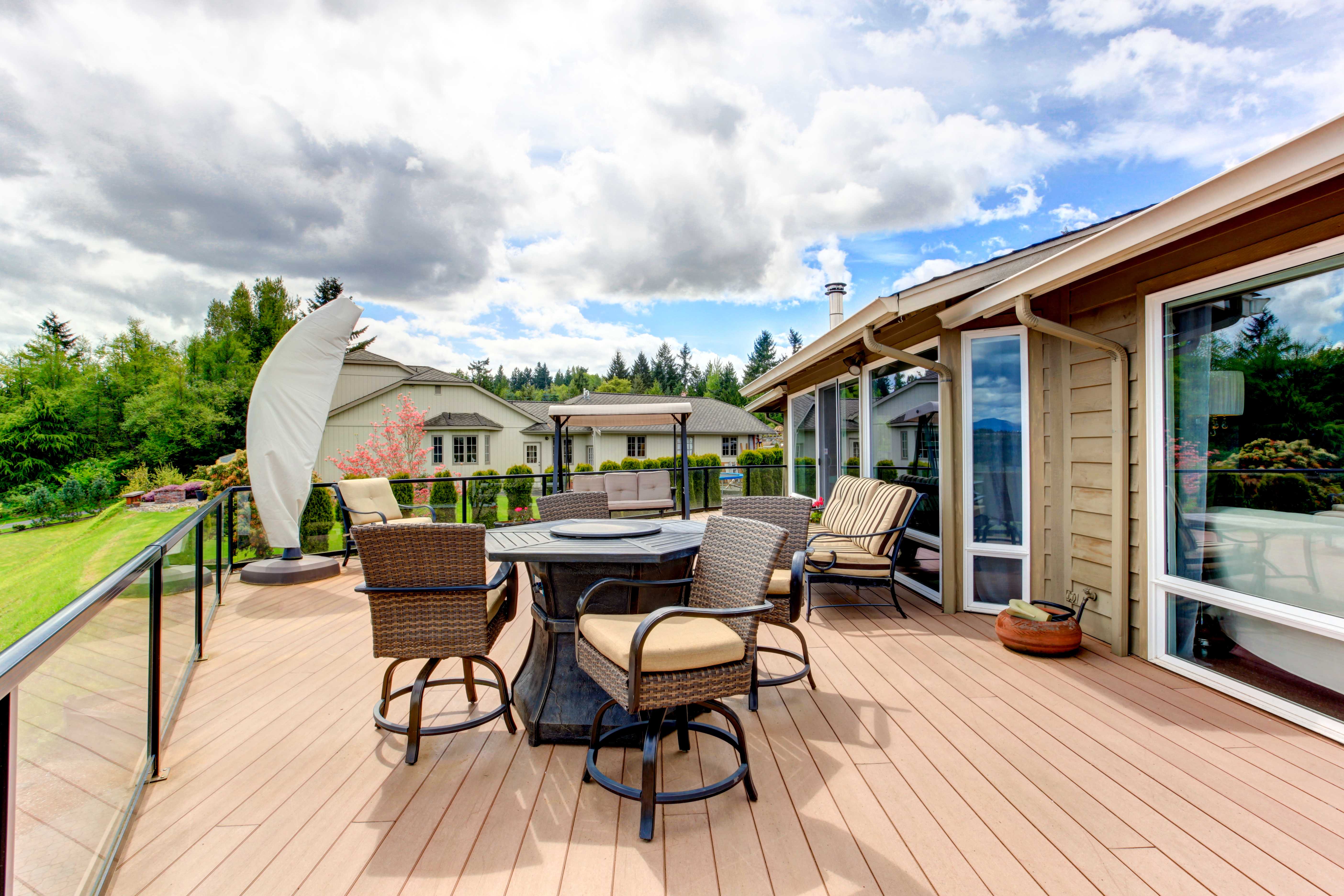
To maintain protection, plan on reapplying the stain or sealer every two to three years, either as a DIY project or by hiring a professional.

Wood stain is not flammable after it dries. The solvent in wood stain is what causes the liquid form to be highly flammable, but the stain drying process involves the solvents dissolving, which leaves behind a non-flammable product on your wood project. Wood stain is, however, flammable before you apply it, so you should always store partially full cans and used wood stain rags away from sources of heat and open flames.

You don't need to seal your deck after painting it because most exterior paints are waterproof and weather-resistant. While stealing is not necessary, it can add an additional layer of protection.

The Glenwood, AR homeowners’ guide to deck staining services

From average costs to expert advice, get all the answers you need to get your job done.