







Top-rated sewer cleaners.

Get matched with top sewer cleaners in Gentry, AR

Enter your zip and get matched with up to 5 pros

Need a pro for your sewer cleaning project in Gentry, AR?

Select your specific project to find the pro for you.

Find Sewer cleaners in Gentry

Avatar for Better Drain Solutions LLC
Better Drain Solutions LLC
5.0(
10
)
Sewer Main - ClearSewer Main - Clear - For Business

Serving Gentry, AR and surrounding areas

Approved

In business since 2025

Free estimates

Credit card accepted

"Speaking as a 50 year veteran of the trades, in the field and behind the desk. I was absolutely impressed with the bar to which BDS holds to. Evan’s (Owner) professionalism was spot on excellent. His knowledge was natural, unscripted. Excellent communication and transparency was obviously of import to him. His job performance was quick, clean, efficient. And creative as needed. I will be using him for my future plumbing needs with no reservations. Joe Hillman Lincoln AR"
Camera Inspections
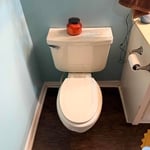
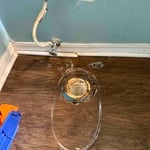
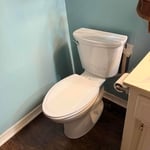
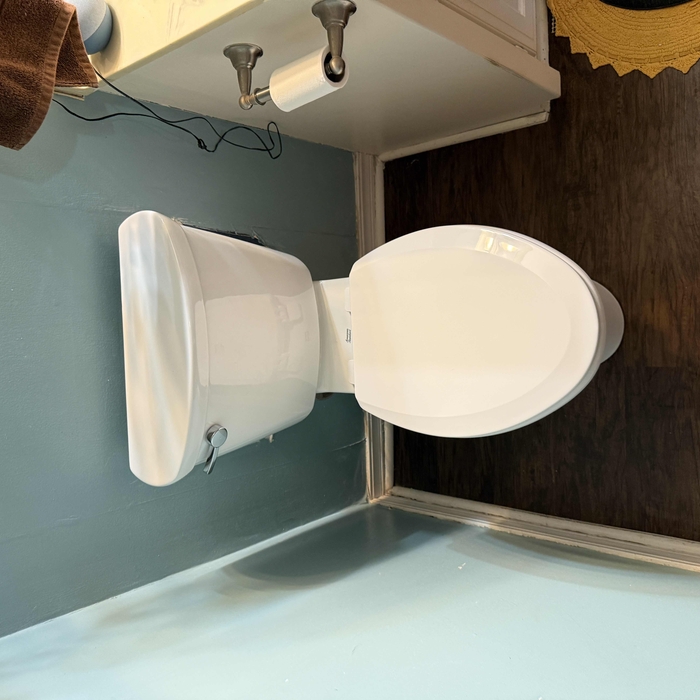
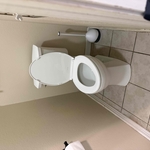
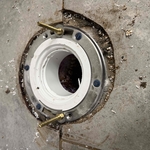
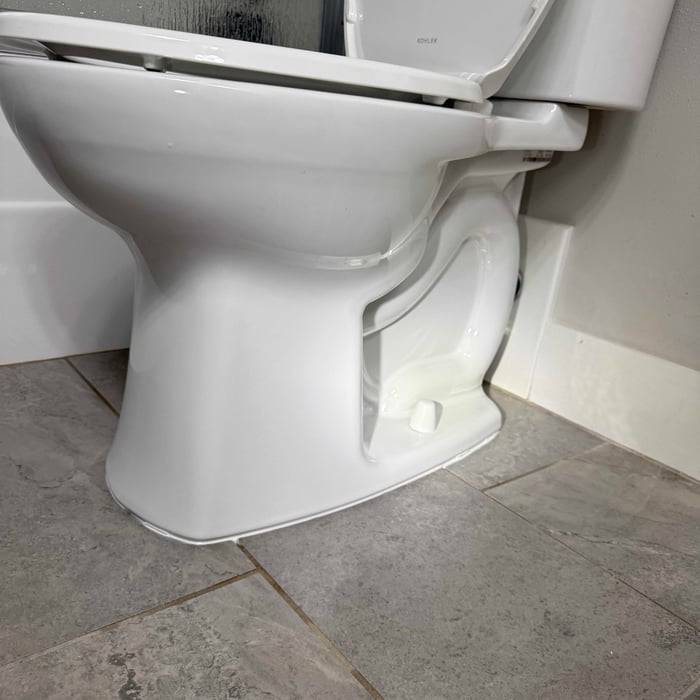
Toilet Replacement
Toilet Replacement
Toilet Replacement
Toilet Replacement

+4

27 neighbors recently requested a quote
Avatar for Next Generation Plumbing
Next Generation Plumbing
5.0(
9
)
Sewer Main - Clear

Serving Gentry, AR and surrounding areas

In business since 2010

Free estimates

Emergency services offered

"David is great. His response time is quick and his opinion is sincere and honest. Every plumbing issue I've encountered, David is my go to guy and his expertise has always been appreciated. Id recommend David for anyone's plumbing issues."
Plumbing
Plumbing
Plumbing
Plumbing
Plumbing

+38

Showing 1-10 of 29
Sewer Cleaning questions, answered by experts

Ejector pumps can only push sewage 750 feet or less. That’s because their purpose is to move waste from your home to your sewer line—which is a relatively short distance. Grinder pumps can transport sewage further, but they manage lower volumes of waste than ejector pumps (and they don’t work with septic systems).

In most cases, drain cleaners will not clear a clogged sewer line, and they’re likely to damage your plumbing. Sewer lines are several inches wide, meaning any material that clogs it will need to be large. Drain cleaner can work on small clogs, but it usually won’t clear a larger one in a sewer main. Drain cleaners can also easily damage and corrode your plumbing with prolonged contact, and a clog will keep the cleaner in contact with the pipes for an extended period. Hire a professional sewer cleaner instead for a safe fix.

The cost to repair a main sewer line clog is about $3,110 on average. The average cost range is  $1,310 to $4,950, but it can go as low as $215 and as high as $9,300 or more. The cost factors for this repair include the severity of the clog, pipe accessibility, video inspection, removal method, permits, pipe material, labor rates in your area, and time of year. Repairs made from outside during the winter can be more difficult due to the frozen ground or during the spring if the ground is saturated from a lot of rain and snow melt.

The cost to unclog a drain varies based on the location and severity of the clog. For simple clogs within your home, such as in a sink, toilet, or shower, hiring a plumber typically costs between $110 and $350, with an average of around $200. Snaking a toilet or sink usually costs between $110 and $275, while a bathtub or shower clog costs about $225.

For a more serious clog in the main sewer line, the cost is higher. Clearing a main line clog generally costs between $200 and $600, with an average of about $380. However, prices can range from as low as $100 for snaking a minor clog to over $1,600, particularly if advanced methods like video inspection and hydrojetting are needed for a large or hard-to-reach blockage. Some severe main line clogs can cost upwards of $1,000 to clear depending on factors like the cause of the clog, its distance from an accessible cleanout, and whether the pipe is located beneath an occupied space (e.g., in an apartment building). You may be able to save money on minor clogs by using a drain snake or bladder yourself.

It can take anywhere from one month to a couple of years for tree roots to grow back in sewer lines. Tree roots can cause extreme havoc on your sewer lines, potentially cracking them and causing untreated wastewater to make its way into the groundwater. Have a landscaping pro remove trees and roots before installing your system, or call a pro to do it retroactively as soon as you can.

The Gentry, AR homeowners’ guide to sewer cleaning services

From average costs to expert advice, get all the answers you need to get your job done.