
Top-rated radon detection and reduction specialists.

Get matched with top radon detection and reduction specialists in Dyer, AR

Enter your zip and get matched with up to 5 pros

Need a pro for your radon detection and reduction project in Dyer, AR?

Select your specific project to find the pro for you.

Find Radon detection and reduction specialists in Dyer

Bluecord Enviromental Solutions LLC
New to Angi
Radon Gas - Testing

Serving Dyer, AR and surrounding areas

Approved

In business since 2024

Free estimates

Credit card accepted

BlueCord Environmental Solutions is Northwest Arkansas' trusted name in indoor air quality. Veteran-owned and operated, we bring over a decade of precision, discipline, and integrity to every inspection. Whether you're dealing with mold, allergens, VOCs, or hidden contaminants, we specialize in uncovering the invisible threats that impact your family's health. We don't guess—we test. With cutting-edge technology, detailed reporting, and honest service, we deliver clarity and peace of mind. We're not a franchise—we're your neighbors, and we treat your home like our own. When the air you breathe matters, call the professionals who've proudly served—BlueCord Environmental.

Response time7 hrs
11 neighbors recently requested a quote
Radon Detection and Reduction questions, answered by experts

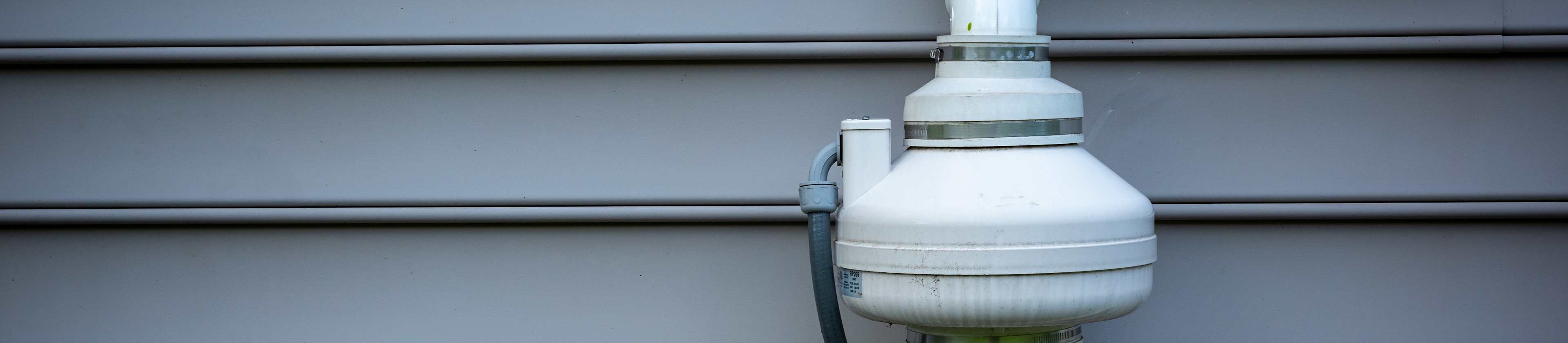
The cost to replace a radon fan ranges from $300 to $600 for the fan itself, with installation adding an additional $200 to $500. Overall, the total cost for replacement can range from $500 to $1,100, depending on factors such as the fan model, home size, and local labor rates. If the fan is part of a larger radon mitigation system, the price may be higher.

Installing a mitigation system reduces radon levels, which can cause lung cancer, providing peace of mind and long-term health benefits. It can also increase your home’s value, as many buyers prefer properties with radon safety measures in place. The investment is relatively low compared to the potential health risks associated with prolonged radon exposure.

The soil beneath your house is most likely what’s causing an increased level of radon. This is because soil holds radioactivity for a long time and it’s also what most buildings are built on. Another common source of radon is water from a source that hasn’t been through periodic radon tests, such as well water. Over time, the radon from the soil can inhabit other parts of your house like the foundation or plumbing.

No, air purifiers are not an effective way to reduce or remove radon. Radon is a radioactive, inert gas that cannot be filtered by standard air purifiers, which are designed to capture particulates like dust and mold. While an air purifier can improve indoor air quality by removing other pollutants, it should not be relied upon for radon. The only effective solution for high radon levels is a dedicated radon mitigation system.

Many radon fans carry a five-year manufacturer's warranty. That said, your radon fan should last between five and ten years. Regular inspections will ensure the fan is operating properly. Unusual or exceptional noise coming from the fan or indications on your manometer or system monitor can immediately tell you that something is amiss.

The Dyer, AR homeowners’ guide to radon detection and reduction services

From average costs to expert advice, get all the answers you need to get your job done.