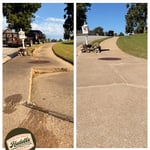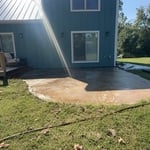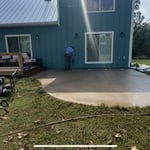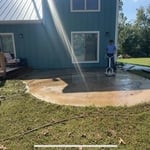


Groundworks is the North America's leading and fastest-growing foundation repair and water management solutions provider. Groundworks is a vertically integrated company with its own manufacturing operations and a world-class software solution, allowing us to serve our customers more effectively. From the first phone call to the annual maintenance offered, our customers have peace of mind knowing we're there with one mission to repair, protect and improve their home. For state licenses visit Groundworks.com/licensing
"VESTA sent us the outstanding team of JUSTIN and GREG to accomplish an outstanding job in our concrete driveway. They filled the underground voids and leveled off the several misadjusted segments of the driveway. Top notch. Justin and Greg are very courteous and respectful. They kept us informed at every step. They were very diligent and hardworking, particularly on cold temperature days. Upon completion they left the driveway in showroom condition. Or as our British cousins would say: Good show!! Jolly good show!! Bravo Zulu to VESTA and team."
Hudelle Construction specializes in Concrete repair services such as concrete lifting and leveling, crack repair, and concrete sealing. We also offer both open and closed cell insulation services
All types of Residential and Commercial concrete work. (Driveways, sidewalks, foundations, parking lots, etc.) \n\nOwner-operated providing services locally and surrounding areas.\n\nMake an appointment today for your free estimate.
We are a general contractor with over 20 years experience in all aspects of interior and exterior home\nbuilding as well as over 7 years of property preservation and management. We have refrerences available upon request as well as photo's of work we have done. Our company motto is WE WORK FOR YOU . We put our customers needs first and treat everyone as if they were our first customer.\nI have customer's that have been with us for ten years or more and they know all they have to do is pick up the phone and we will be there to take care of them. Our ten employees and myself will do our very best to give you a honest experience that you will be happy to tell your friends about. We can also work out payment arraggements out with you on those large jobs so to help with your budget. If you tell your friend about us and we get a job from them you will get 20% off your next job.
Jeff's Handyman Service has been in business for several years and would love the opportunity to show you what experience and expertise can mean for the overall value of your project. Call today!\n\n \n\n
Concrete Mudjacking questions, answered by experts
Trenching and boring are two distinct methods for installing underground utilities. Trenching involves digging a channel using equipment like an excavator, trencher, backhoe, or shovel. While it is a simpler process, it causes significant disruption to the surface, landscaping, and surrounding ecosystems.
Boring, also known as directional boring, is a less invasive alternative that uses a drill to create a tunnel for utility lines without disturbing the surface. This method is more precise and is ideal for installations that need to go underneath buildings, roads, or bodies of water. Although boring is less disruptive, it is generally more expensive than trenching.
Generally speaking, push piers—or steel piers—are the best option for underpinning, as they reach down to solid bedrock to find support for your foundation rather than relying on soil, which could be subject to the same issues as the soil directly below your foundation. However, the best underpinning method for your home depends on your location, how far down the bedrock is, and the type of soil in your area. Helical piers are usually the best option for sandy soil or in areas where the bedrock is too deep to use steel piers.
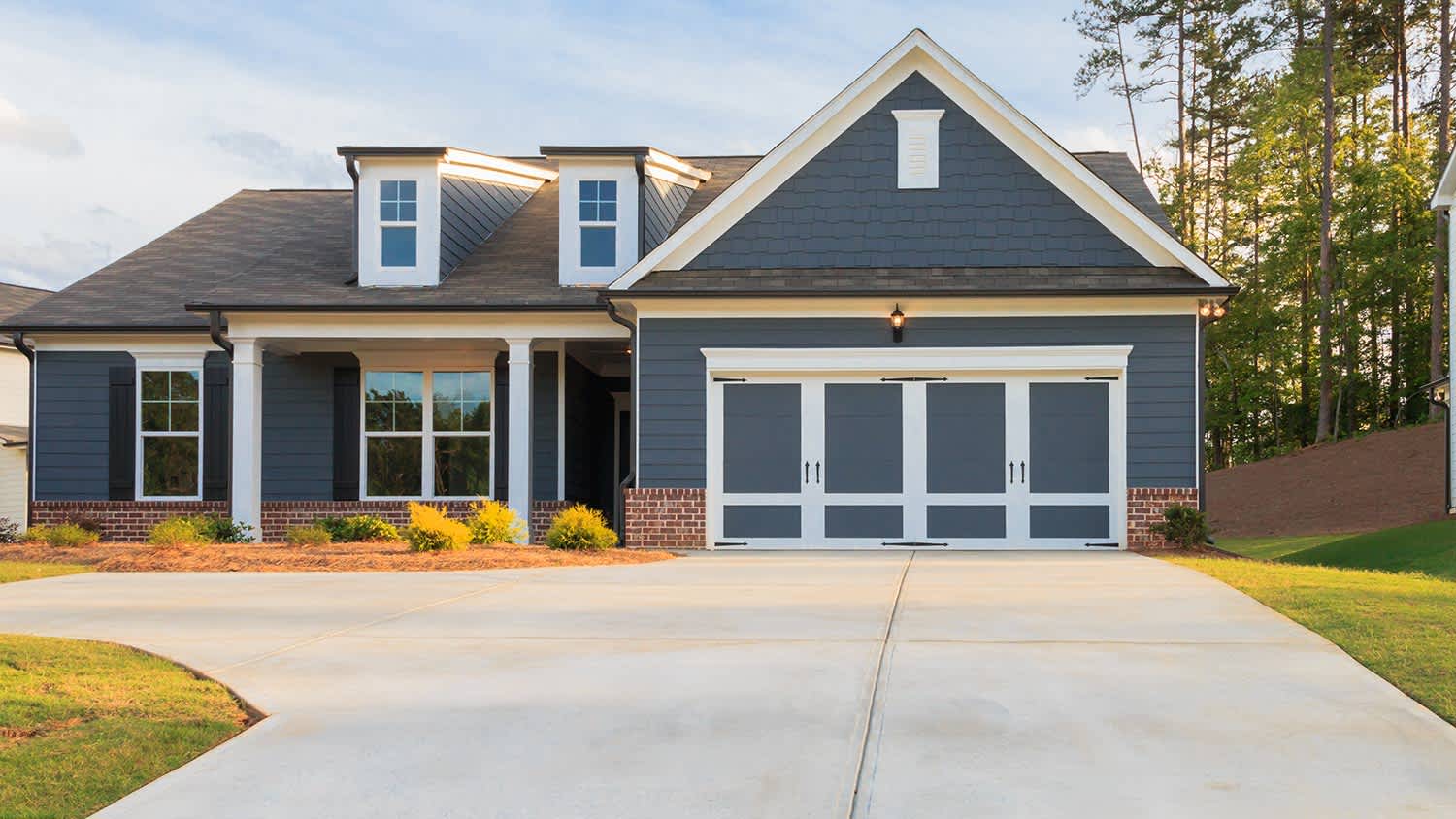
The average cost for mudjacking is around $1,200, though prices can range from $300 to $3,400. On a per-square-foot basis, you can expect to pay between $3 and $8, with an average of about $5 per square foot. The final cost depends on several factors, including the square footage of the concrete, the type of slab, its accessibility, whether it is load-bearing, and the type of material used to lift it. Generally, lifting a driveway, small patio, or sidewalk is less expensive than lifting a slab foundation or garage floor.
Most houses are expected to settle over time, but foundation sinking of more than a few inches or uneven sinking of more than an inch for every 20 feet is cause for concern. Any significant or uneven sinking should be assessed by a professional to determine the cause and perform any necessary repairs.
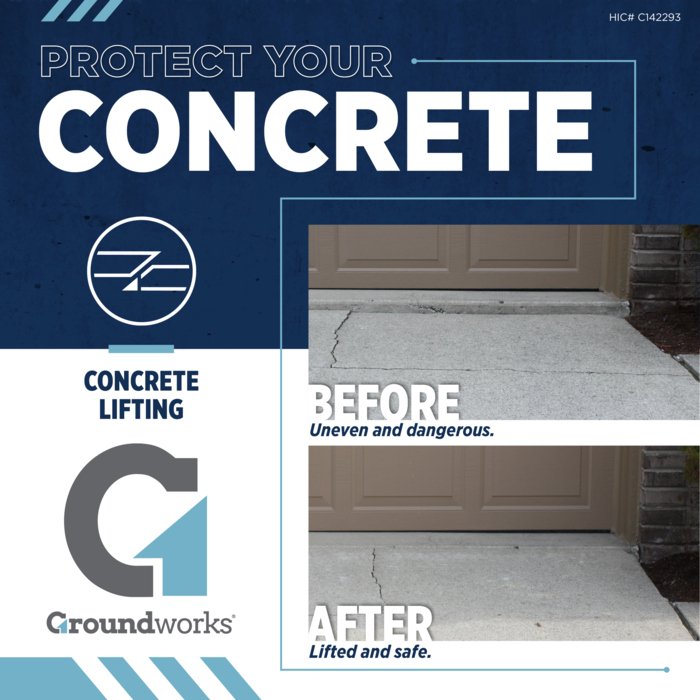
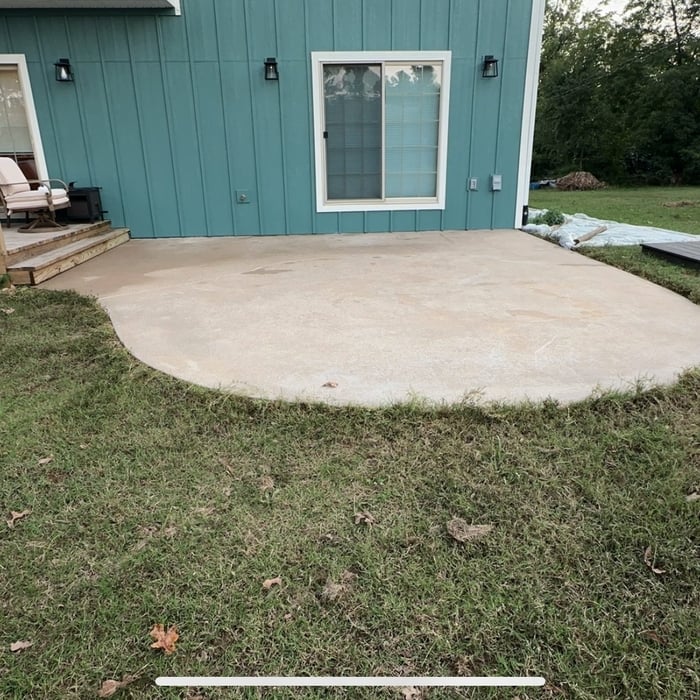
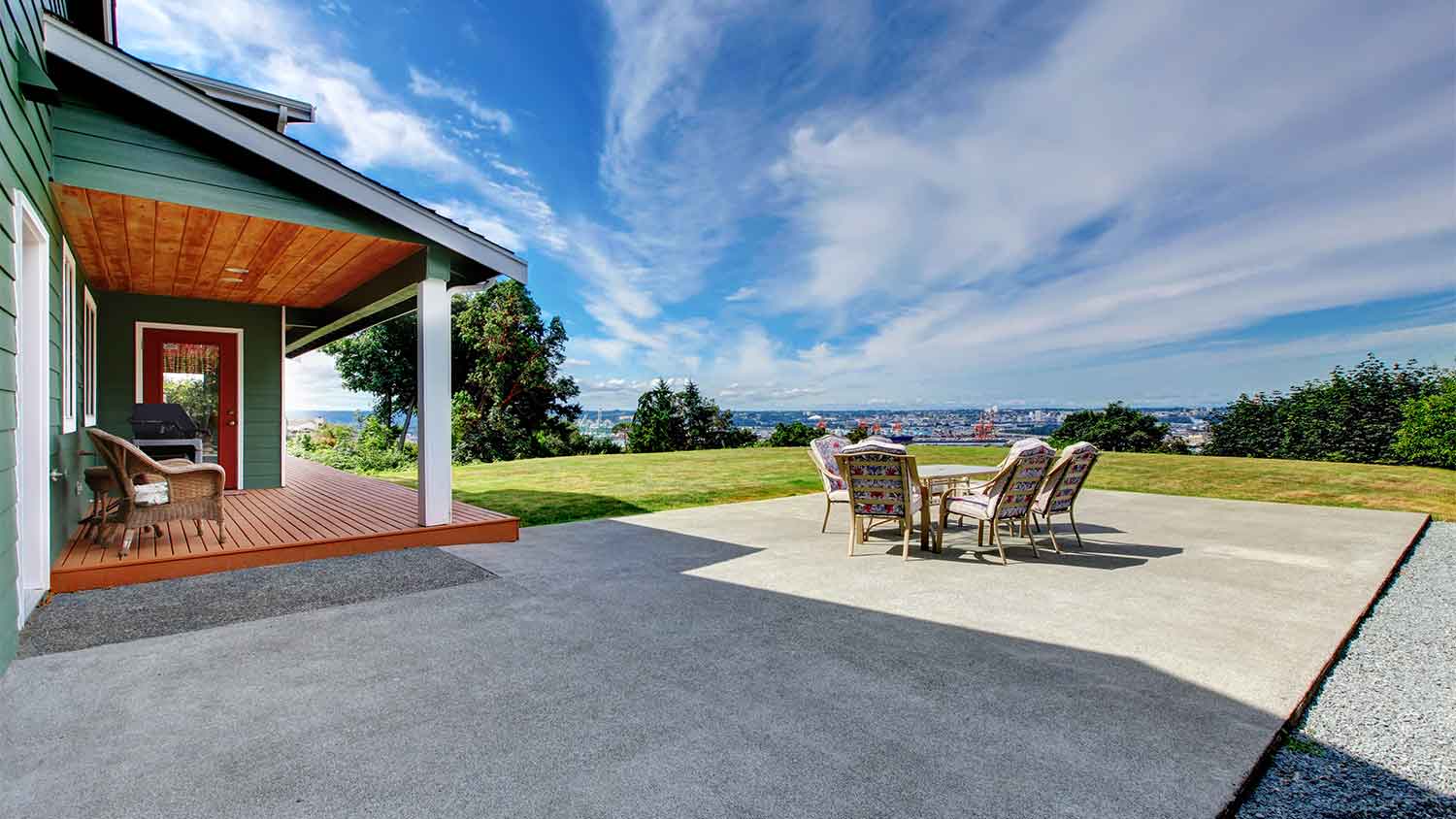
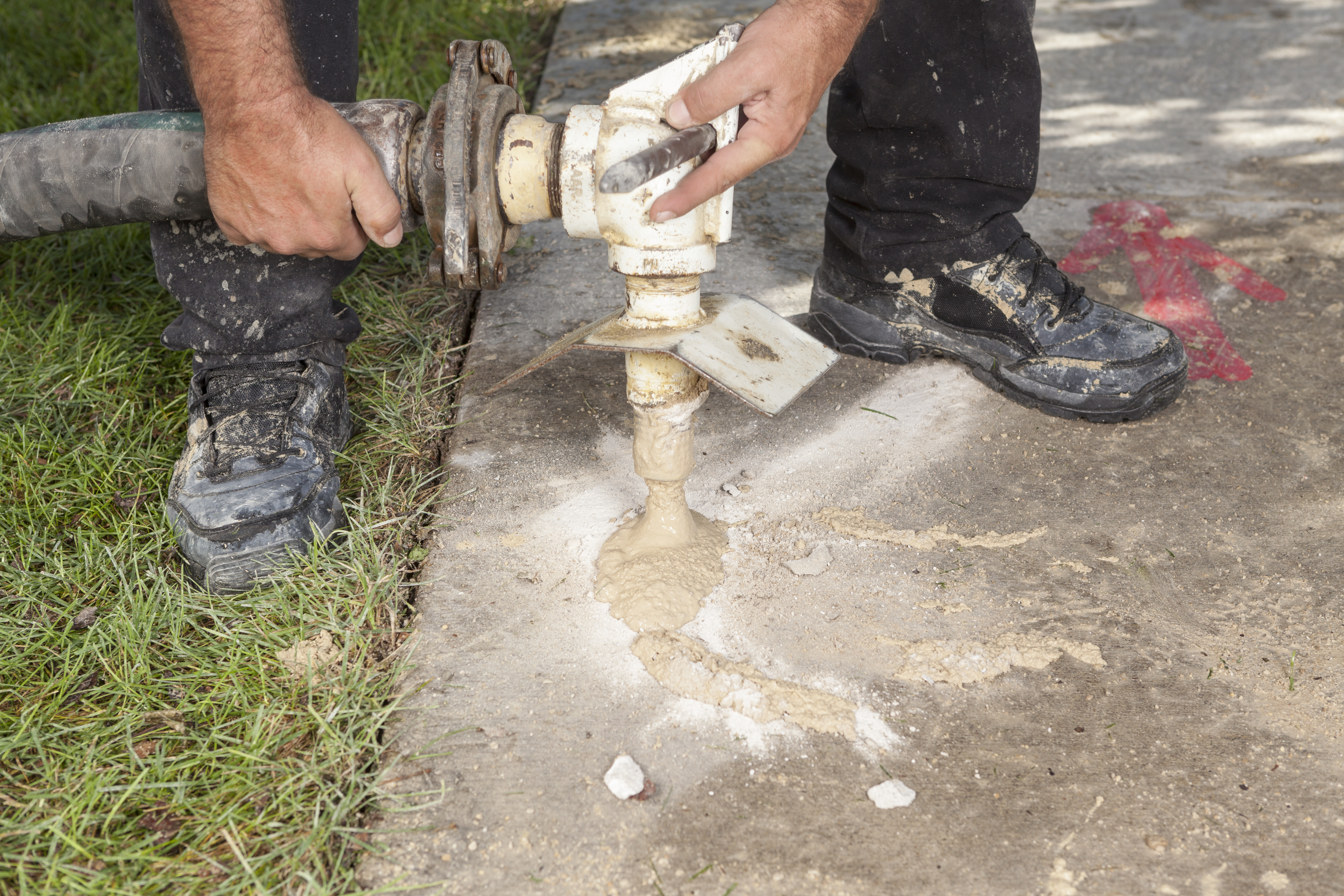
Pros often use mudjacking or polyurethane foam injection to level a sunken concrete patio. Both methods lift the slab by filling voids beneath it. After properly compacting the soil beneath it to prevent future settling, the concrete may need to be removed and re-poured for severe sinking.
The Charleston, AR homeowners’ guide to concrete mudjacking services
From average costs to expert advice, get all the answers you need to get your job done.
DIY mudjacking is an advanced task, but learning how to raise a concrete slab is great to know for many scenarios. Let's take a look at how to DIY mudjack.
Sunken concrete can be a structural issue, but a professional can easily repair it. Ask these concrete injection leveling and mudjacking questions before you hire.