




Top-rated electricians.

Best electricians near Cave Springs, AR

Enter your zip and get matched with up to 5 pros

Need a pro for your electrical service project in Cave Springs, AR?

Select your specific project to find the pro for you.

TRUSTED BY CAVE SPRINGS, AR HOMEOWNERS

  • Average homeowner rating star icon4.6
    Average homeowner rating
  • Verified reviews icon592
    Verified electrical services reviews

Top-Rated Electricians in Cave Springs - Updated Nov 2026

Avatar for Really Great Electric
Really Great Electric
5.0(
24
)
Electrical Switches, Outlets & Fixtures - Install or RepairElectric Vehicle Charging Station InstallationElectric Vehicle Charging Station Installation - For Business+8 more

Serving Cave Springs, AR and surrounding areas

Approved

In business since 1999

Emergency services offered

Warranties offered

"I have used Really Great Electric to replace an exterior outlet, rewire an existing kitchen island outlet and replace the existing in conduit wire, and install a switch for the outlet that my wood stove blower is connected. Robert gave me accurate estimates up front and performed the work with professionalism and attention to detail. He explained what the issues were concerning why my outlets had failed and was upfront about options for repair and the cost. I highly recommend RGE for all your electrical installation and repair needs."
Chandelier
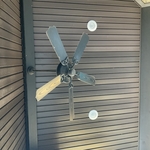
Ceiling fan
Ceiling fan
3 neighbors recently requested a quote
Recommended by18%of homeowners
Avatar for Be A Light Electric
Be A Light Electric
5.0(
13
)
Fixed Generator - InstallElectric Vehicle Charging Station Installation - Materials Not ProvidedElectric Vehicle Charging Station Installation - Materials Provided by Consumer+3 more

Serving Cave Springs, AR and surrounding areas

Approved

In business since 2017

Free estimates

Warranties offered

"I like to support small businesses with hands-on owners. The owner helped me with several projects including installing new outlets, light fixtures, and wiring in a doorbell camera. You can count on fair pricing, good service, and he took the time to clean up after he was finished. Highly recommend!"
Finish line
Above ceiling
New circuits
Before kitchen
New panel

+52

1 neighbors recently requested a quote
...
Showing 1-10 of 187
Electrical FAQs, answered by experts

Most commonly, aesthetics and practicality influence a move. If your renovation or remodel involves the wall in question, you’ll obviously need to relocate. It all comes down to personal preference. You’ll need to hire a professional electrician for this task, so be sure to hire a licensed pro with plenty of experience with this type of electrical task.
According to the National Electrical Code (NEC), GFCI outlets should be installed in wet or damp locations where they might be splashed with water or other liquids. This is to protect against ground faults, which are more common around water. Specific areas that require GFCI outlets include kitchens (especially near counters), bathrooms, laundry rooms, basements, garages, and all outdoor receptacles. Depending on local electrical codes, you may need at least one GFCI outlet in these rooms, or every outlet in the area may need to be GFCI protected.

You can plug your electric car into a regular 120-volt household outlet only if you’re using a Level 1 charger. This method is slower and may take several days to fully charge your EV. For faster charging, you’ll need a Level 2 charger, which requires a 220- or 240-volt outlet.

While most electrical items can be plugged into a GFCI outlet, some appliances with internal or stationary motors, such as refrigerators, vent fans, and fluorescent lighting, can cause nuisance tripping. This happens because they experience a small, normal amount of current leakage, which can cause the GFCI to trip even when the appliance is working correctly. Although this is not a safety hazard, it can be inconvenient and may cause the GFCI outlet to wear out faster. For this reason, it is often better to plug these types of appliances into a standard outlet. Additionally, electrical circuits over 100 feet long can sometimes cause tripping. Some appliances, like hair dryers, have their own built-in GFCI protection, so connecting them to a standard outlet is fine.

The size of your home will help determine the size of your electrical panel. Usually, the decision comes down to a 100-amp electrical panel versus a 200-amp panel. Smaller homes, especially those without an HVAC system, may be able to get by with a 100-amp panel. 

If you have a larger home or need to power AC, a 200-amp panel should be the best fit. It’s unlikely that you’ll need a larger panel than that unless you have a larger home or unique electrical needs, but an electrician can help you make the final call.

The Cave Springs, AR homeowners’ guide to electrical services

From average costs to expert advice, get all the answers you need to get your job done.