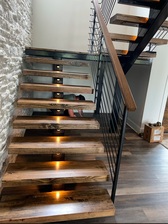








EWS offers a wide range of custom office furniture solutions. Our offerings are specifically designed to cater to various environments, including workplaces, higher education institutions, government offices, healthcare facilities, and hospitality venues.\n\nWe believe in creating workspaces that are not only functional but also visually appealing. Our team of experts combines their expertise in design and functionality to create unique and enjoyable office spaces.\n\nWhether you need a complete office overhaul or just a few furniture pieces to enhance your workspace, we have the solution for you. Our products are tailored to meet your specific needs, ensuring that every aspect of your office is designed to optimize productivity and comfort.
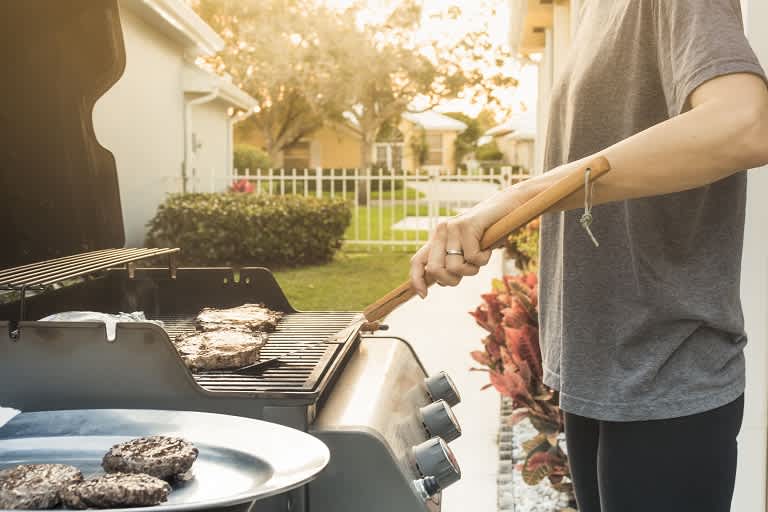
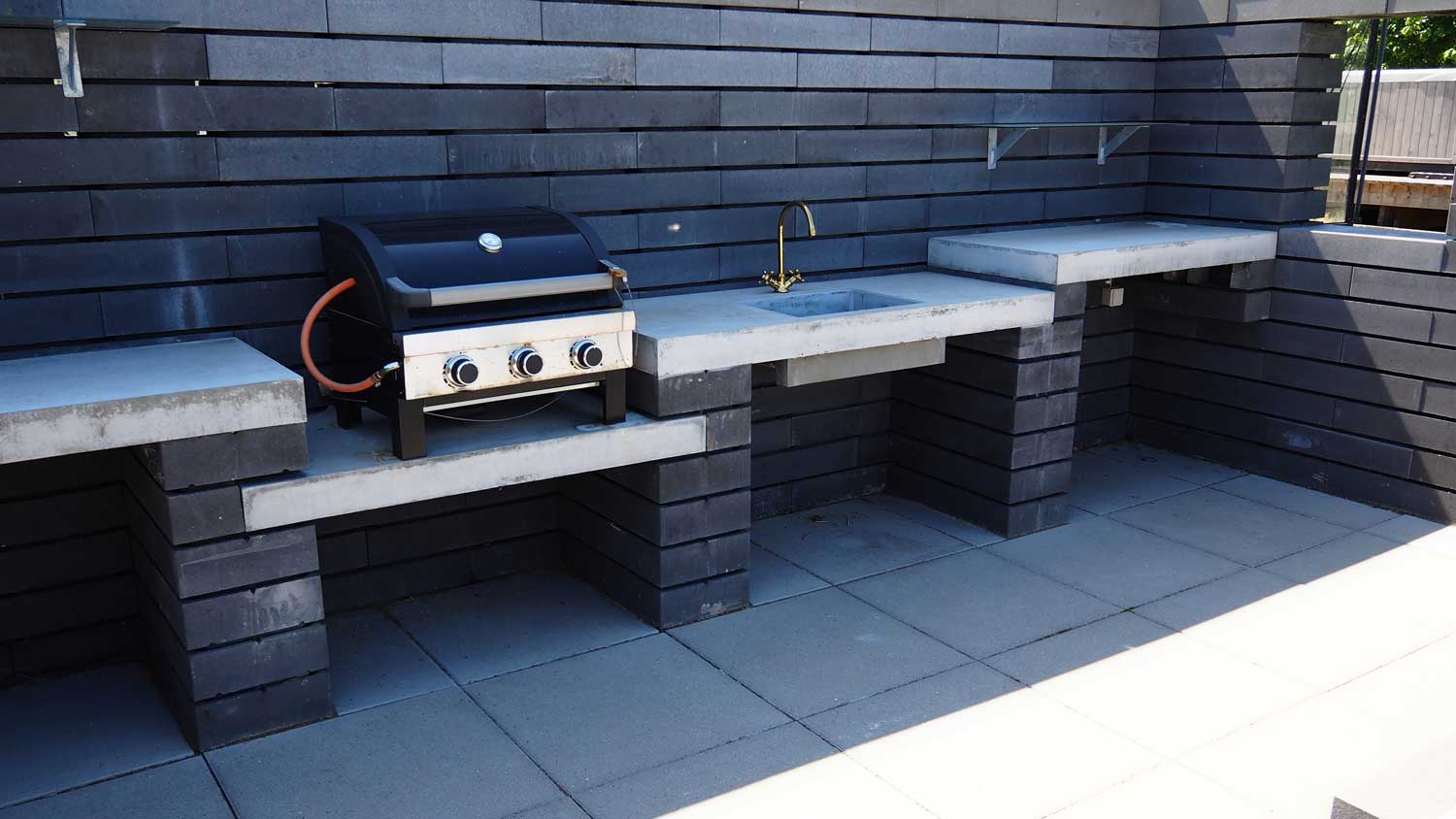
The difference between a built-in and regular grill is installation and design. A built-in grill is integrated into an outdoor kitchen or structure, often within a countertop or island. It is a permanent fixture. A regular grill is standalone, portable, or cart-mounted, allowing mobility and versatility in placement. Built-in grills are typically larger with more cooking space, while regular grills come in various sizes. Built-in grills are favored for creating a custom outdoor cooking area, while regular grills provide convenience and flexibility.
Appliances typically connected to a gas line include gas stoves, water heaters, furnaces, and gas fireplaces. Essentially, any appliance in your home that uses gas needs to be connected to a gas line, which connects your home with the main gas line owned and operated by your gas company.
Built-in gas grills typically have a life span of 10 to 15 years. However, their longevity can vary based on quality, usage frequency, climate conditions, and maintenance routines. High-quality models made from durable materials tend to last longer. Additionally, regular cleaning, covering the grill when not in use, and conducting routine maintenance tasks such as cleaning burners and replacing worn-out parts can extend its life. A well-maintained built-in gas grill can provide excellent performance and memorable cooking experiences for a decade or more, making it a worthwhile investment for outdoor cooking enthusiasts.
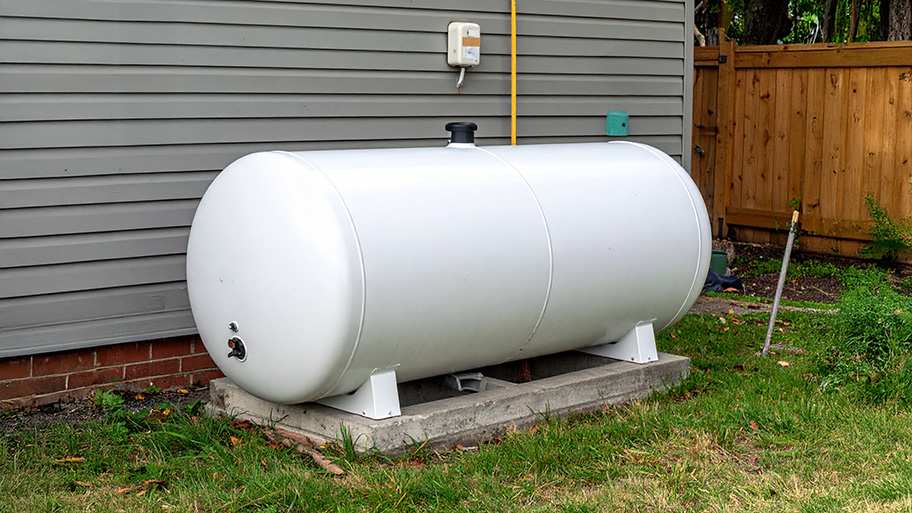
Local codes often mandate specific fittings, permits, and vent considerations for permitted function and safety, which are enforced by professionals.
On average, a gas grill can last from five to 15 years. The exact lifespan depends on several factors, including the brand and quality of the grill, frequency of use, and whether the gas line is buried or above ground. With proper maintenance and care, such as regular deep cleanings to remove food, grease, and carbon deposits, a grill's life can be extended. Protecting the grill from the elements with a cover can also prevent rust and reduce the need for repairs. Most grill manufacturers also offer extended warranties, which vary in coverage and terms.
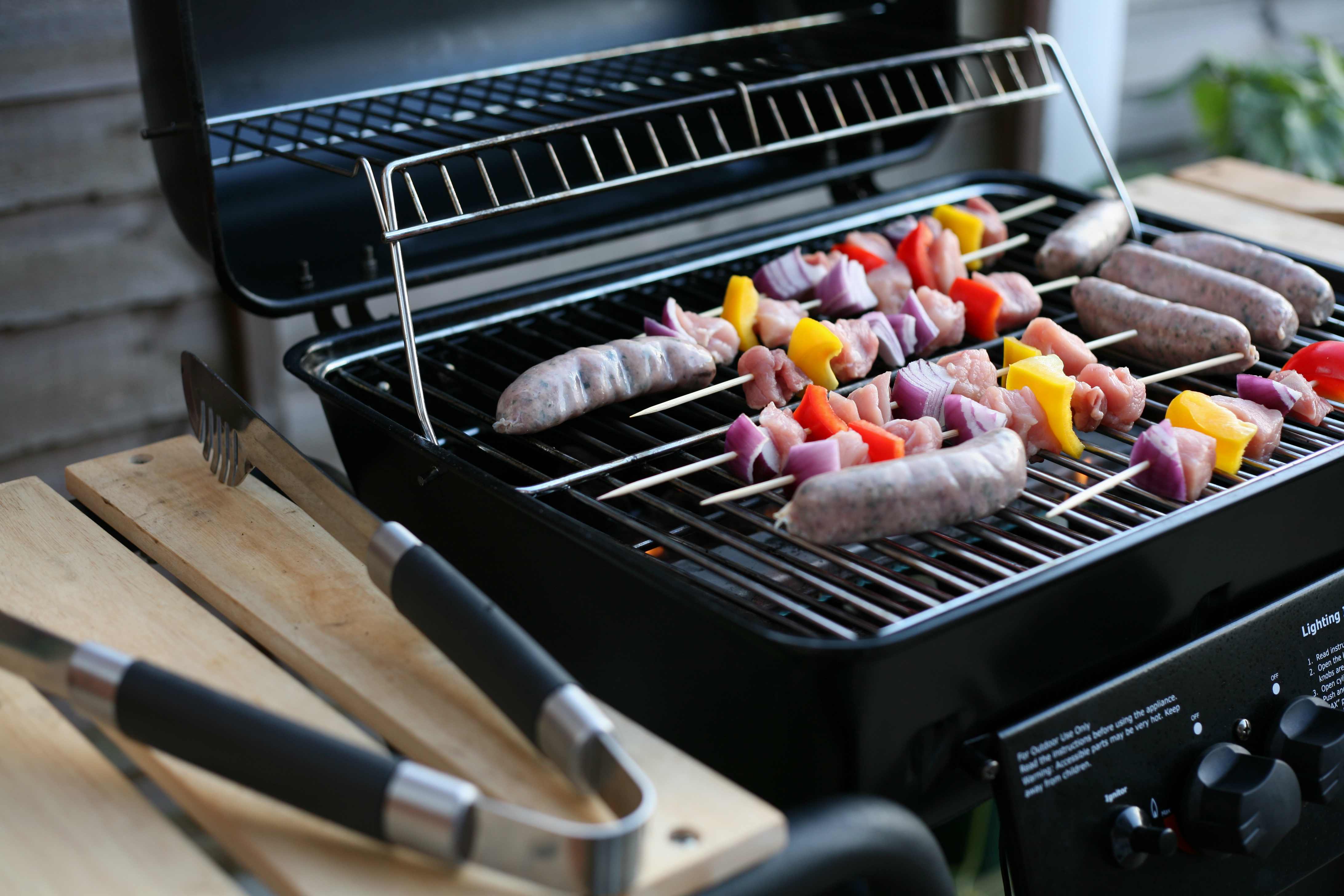
The Bryant, AR homeowners’ guide to grill assembly services
From average costs to expert advice, get all the answers you need to get your job done.
If you’re not keen on spending your afternoon assembling flat-pack furniture, bring in the professionals. How much does furniture assembly cost? It can be shockingly affordable.
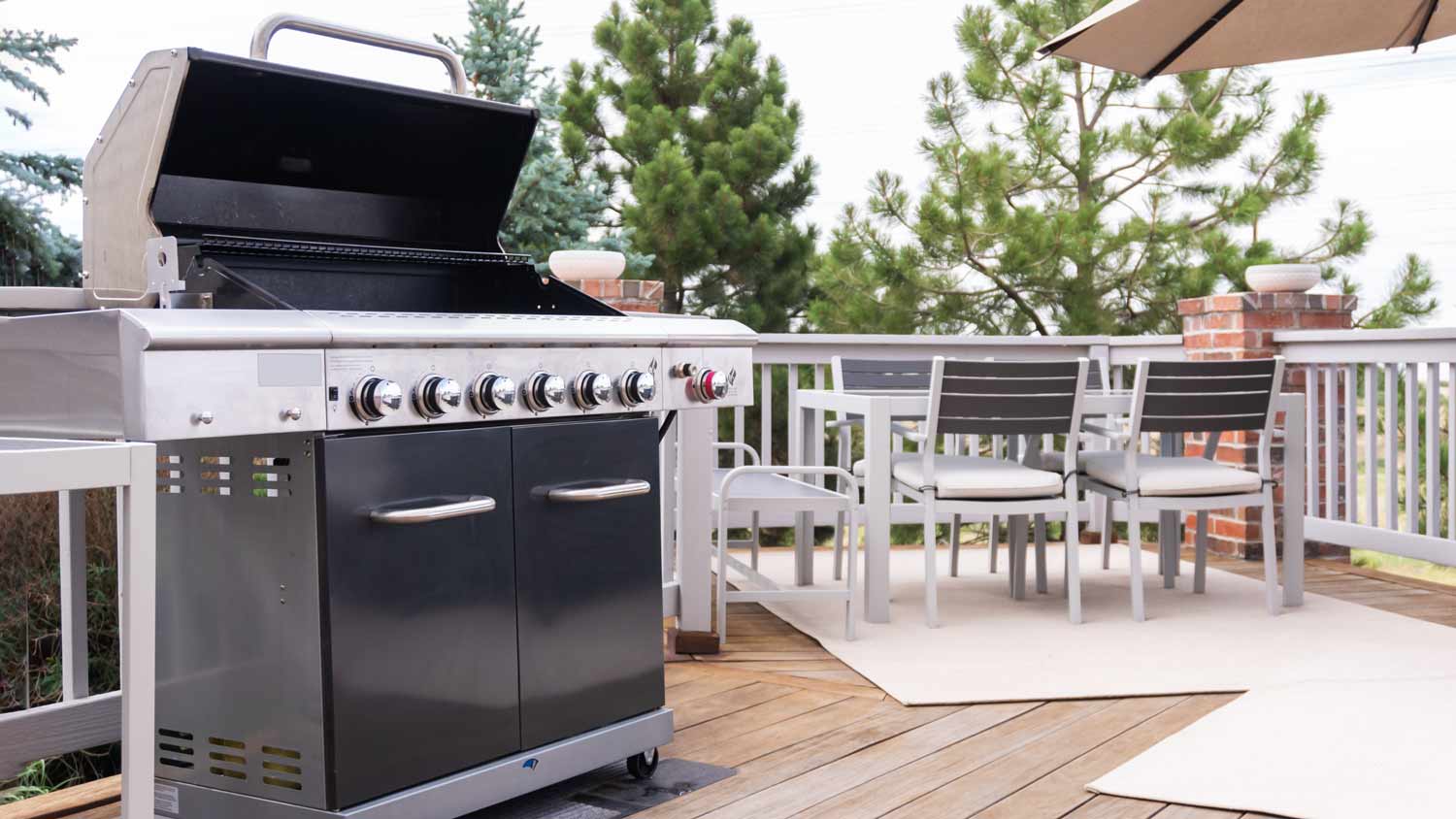
Cleaning the grill after winter is an essential step before barbecuing. Learn how to get rid of rusty grill grates, old grease in your drip pan, and help stainless steel shine.