
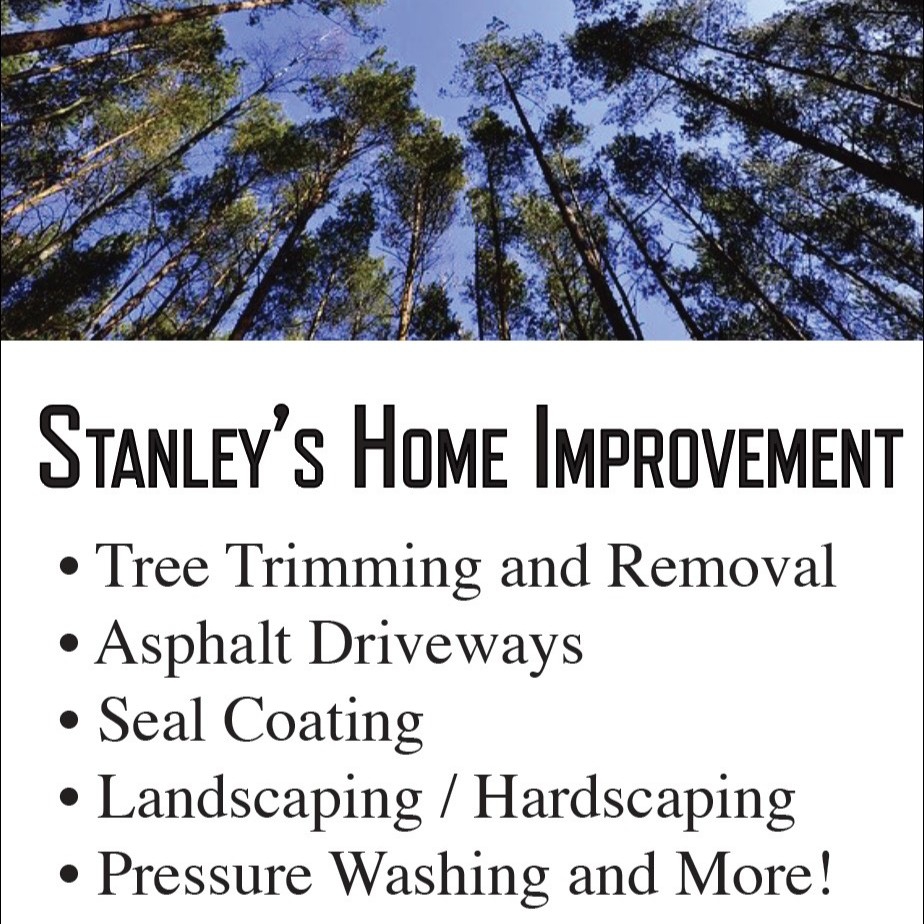
Stanley's Home Improvement
Toxic Lead - AbatementToxic Lead - Testing
Serving Brookland, AR and surrounding areas
Free estimates
Emergency services offered
"Very well . The crew was fast, competent and polite."

+8
Recommended by77%of homeowners
*The Angi rating for Lead Testing And Removal companies in Brookland, AR is a rating based on verified reviews from our community of homeowners who have used these pros to meet their Lead Testing And Removal needs.
*The HomeAdvisor rating for Lead Testing And Removal companies in Brookland, AR is a rating based on verified reviews from our community of homeowners who have used these pros to meet their Lead Testing And Removal needs.
Last update on August 08, 2026
Serving Brookland, AR and surrounding areas
Free estimates
Emergency services offered
"Very well . The crew was fast, competent and polite."
+8
Serving Brookland, AR and surrounding areas
In business since 2020
Credit card accepted
At HASS Consulting LLC, we are dedicated to providing top-notch mold testing and air quality testing to ensure the health and safety of your home or business. Located in Jonesboro, AR, we aim to provide a great customer experience while getting to the bottom of mold and indoor air quality issues.\n\nOur Services:\n\nComprehensive Mold Testing: Utilizing advanced equipment, we conduct thorough inspections to identify mold presence and assess air quality.\n\nPreventative Solutions: We offer advice to help you maintain a mold-free space.\nWhy Choose Us?\n\nExperienced Professionals: Our team is highly trained and certified, bringing years of experience to every project.\nCustomer-Centric Approach: We prioritize your needs and work closely with you to address any concerns, providing transparent communication throughout the process.\nLocal Expertise: As a locally owned and operated business, we understand the unique challenges of mold issues in Jonesboro, AR, and are committed to serving our community with integrity and excellence.\n\nTrust HASS Consulting LLC with reliable and effective mold testing and indoor air quality services. Contact us today for a consultation and take the first step towards a safer, healthier environment.
Serving Brookland, AR and surrounding areas
In business since 1988
Enviromental Enterprise Group, Inc. has been in business for 12 years. We provide Enviromental services and strive to provide the customer the highest caliber of workmanship in the area.
From average costs to expert advice, get all the answers you need to get your job done.

Discover the average lead paint removal cost, key price factors, and tips to save on safe, professional lead paint abatement for your home.

Get expert insights on lead paint inspection costs, including key cost factors and ways to save. Learn what affects your estimate and how to budget effectively.

Learn how to hire a qualified lead testing professional for your home. Find certified inspectors, understand costs, and protect your family from lead hazards.

If you suspect the presence of lead paint in your home, testing is the natural first step. Here is who homeowners can hire to test for lead paint.

Have you recently renovated your home and removed all lead-based paint? Follow this guide on lead clearance testing to ensure it's all eradicated.

Confused about who to call to remove lead pipes? We've rounded up a few options for the safest removal by trained professionals.