




Top-rated wrought iron workers.

Get matched with top wrought iron workers in Beebe, AR

Enter your zip and get matched with up to 5 pros

Need a pro for your wrought iron service project in Beebe, AR?

Select your specific project to find the pro for you.

Find Wrought iron workers in Beebe

Avatar for GLC Services
GLC Services
4.7(
13
)
Wrought Iron Fence - Install - For Business

Serving Beebe, AR and surrounding areas

Approved

In business since 2020

Free estimates

Credit card accepted

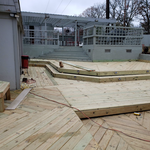
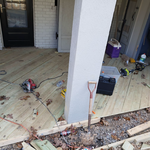
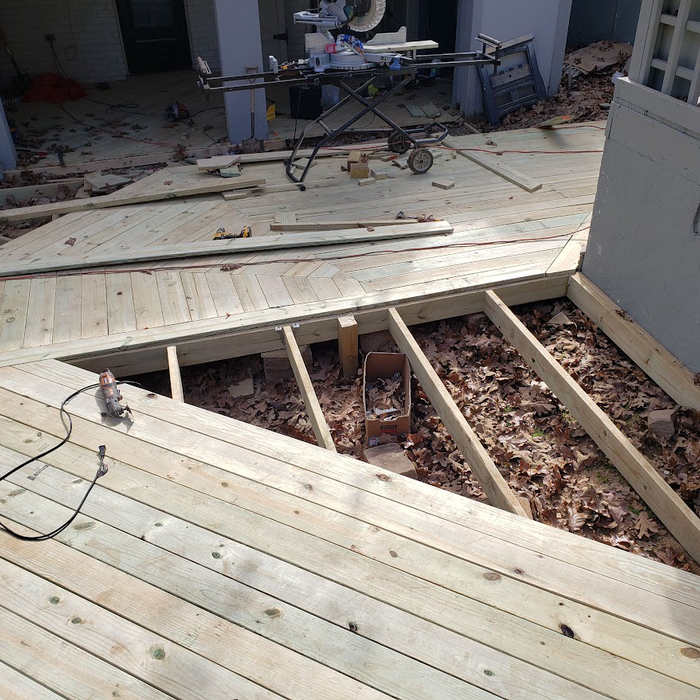
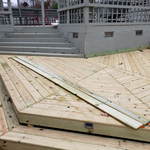
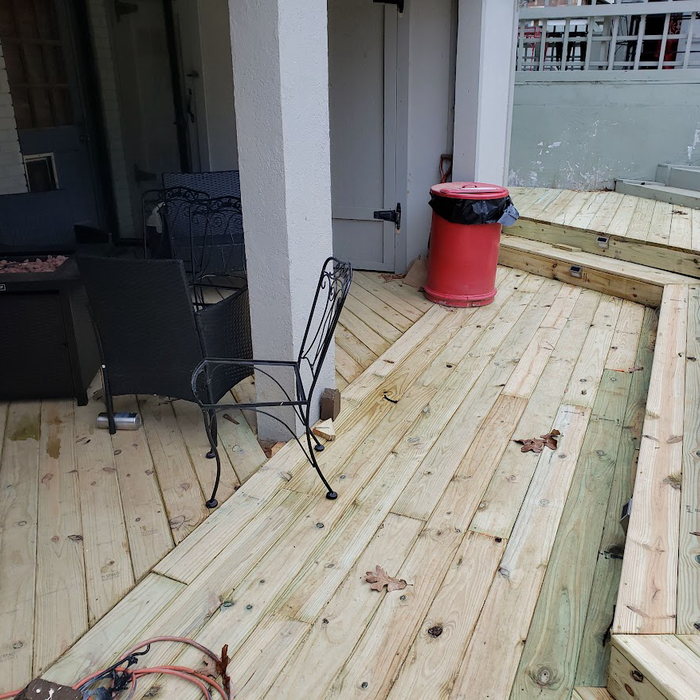
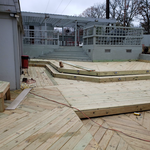
"We recently contracted GLC Services to build a deck and are thrilled with the outcome. The team was professional, courteous, and delivered outstanding workmanship. We will certainly utilize their services for future projects. If you are seeking a company that delivers high-quality results at a fair price, we highly recommend GLC Services."
My jobs
My jobs
My jobs
My jobs
My jobs

+11

7 neighbors recently requested a quote
Recommended by69%of homeowners
Showing 1-10 of 47
Wrought Iron questions, answered by experts

Installing a fence when the ground is frozen presents challenges, but it's possible with the right approach. First, mark and measure the fence line accurately. Use a power auger or manual post-hole digger to create holes in the frozen ground, ideally when it's less rigid during warmer parts of the day. Consider using pre-made fence post anchors or driving metal posts into the ground. Ensure posts are secure with concrete for stability. Allow extra time for the concrete to cure. Additionally, be cautious of frost heave, which may affect post-alignment. Installing in milder winter conditions is often more manageable.

A horizontal fence is typically more expensive to build than a vertical fence, often costing between 10% and 20% more. The higher cost is due to the need for a higher grade of lumber and more posts to prevent the boards from sagging, which increases both material and labor expenses. Despite the higher price, horizontal fences tend to be more durable and offer a more distinct, modern look compared to the more common vertical picket style. However, they may not be the best option for privacy, as there can be slight gaps between the horizontal rails.

While many fence companies and fence material retailers refer to their metal fencing as wrought iron fencing, most of it is actually ornamental wrought iron fence. This means that the fence is made to look like traditional wrought iron but is actually made out of either steel or aluminum. Old wrought iron fences typically found at estate sales or on older properties are much heavier and much more prone to rust than the ornamental wrought iron that newer homes and fences use.

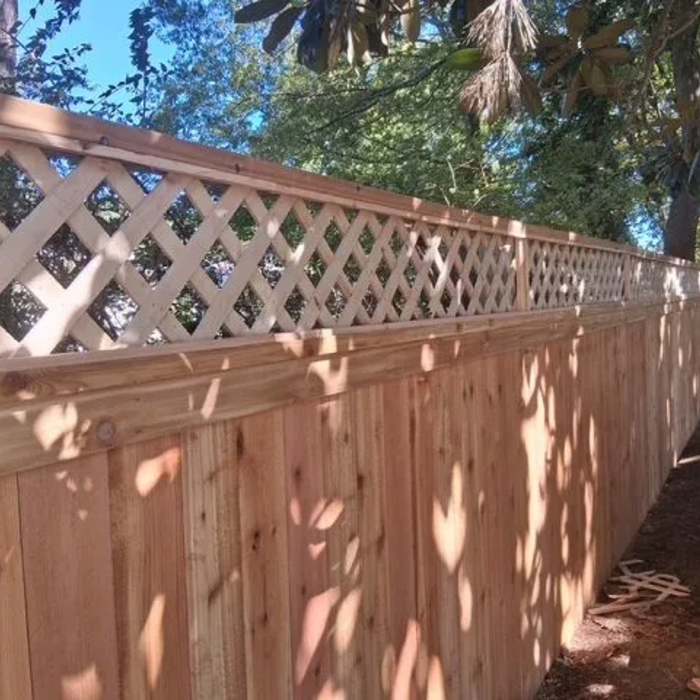
One common approach to attaching lattice is using screws or nails. Align the lattice panel with the wood frame, then secure it by driving screws or nails through the lattice into the wood. Another option is using U-shaped or J-shaped clips or brackets designed for lattice attachment, which provide a neater look. For added stability and aesthetics, you can use molding or framing around the lattice edges, attaching it to the wood with screws or nails—lastly, construction adhesive works when combined with other fasteners for enhanced durability.

When looking at natural wood fences, you have several options other than cedar, namely: pine and redwood. Compared to cedar, redwood fencing has a deeper, red-brown color, better durability, and a higher price tag. Pine, on the other hand, is one of the most affordable types of wood for fences, but it requires the most maintenance out of the three and has the shortest lifespan.

The Beebe, AR homeowners’ guide to wrought iron services

From average costs to expert advice, get all the answers you need to get your job done.