


Top-rated lead testing and removal specialists.

Best lead testing and removal specialists near Altheimer, AR

Enter your zip and get matched with up to 5 pros

Need a pro for your lead testing and removal project in Altheimer, AR?

Select your specific project to find the pro for you.

Top-Rated Lead testing and removal specialists in Altheimer - Updated Nov 2026

Avatar for Desert Rose Cat
Desert Rose Cat
New to Angi
Toxic Lead - AbatementToxic Lead - Testing

Serving Altheimer, AR and surrounding areas

Approved

In business since 1991

Emergency services offered

Credit card accepted

At DesertRoseCAT, we are in the business of disaster restoration with compassion. You can count on us to go the extra mile to get your home or business back in order. At DRC, core values are critical; we are highly committed to our customers, value our employees and partners, and strive to serve our communities with compassion–together we can make a difference! When disaster strikes, DRC is a name that you can trust to help you put your life back together.

5 neighbors recently requested a quote

Lead Testing and Removal FAQs, answered by experts

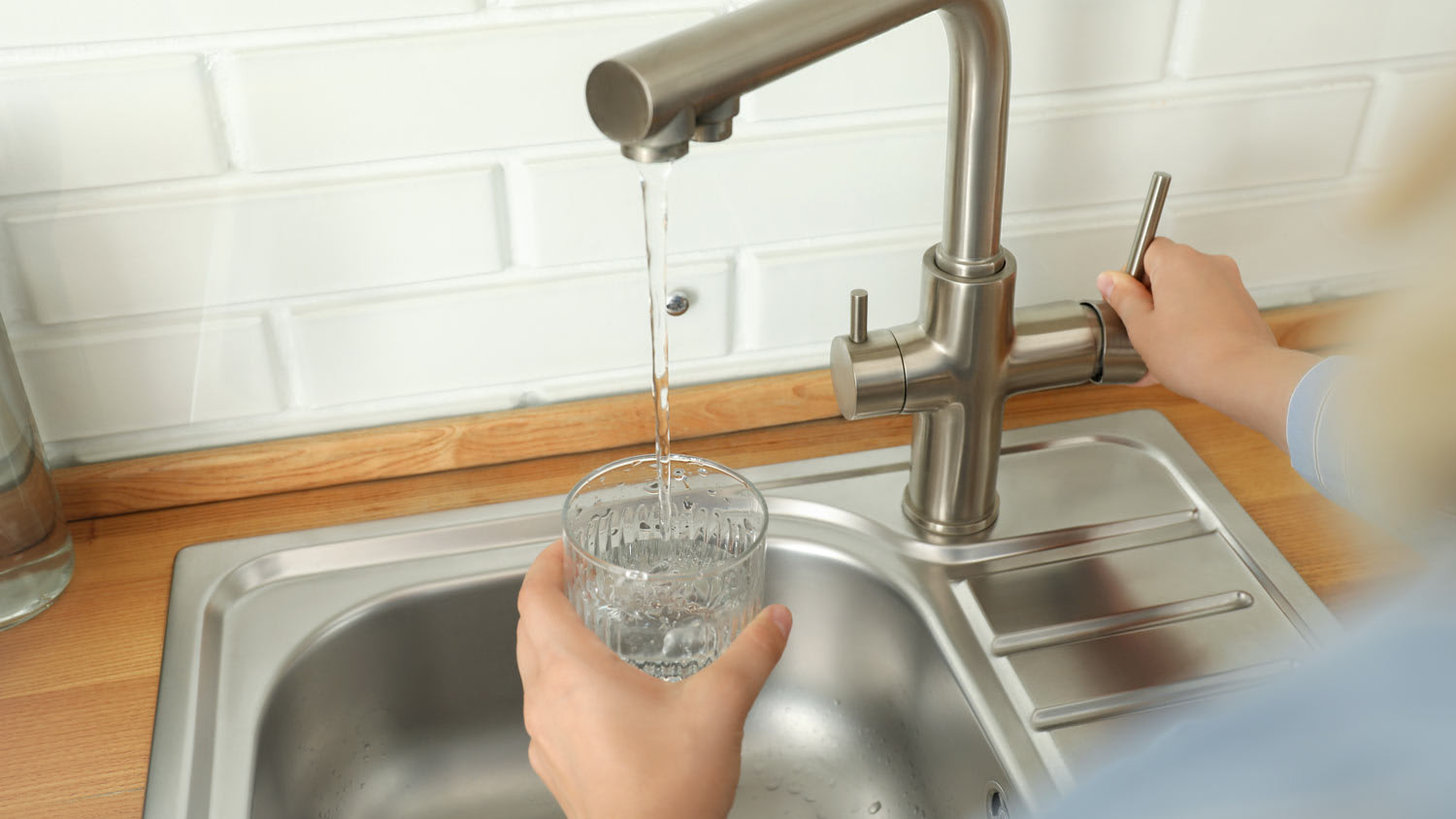
Several different measurements may be used to determine the amount of lead in water. The most common unit of measurement is micrograms per liter (µg/L), which is the same as parts per billion. Another measurement is milligrams per liter (mg/L), which is the same as parts per million.

Some of the signs that could mean your water is contaminated, such as cloudiness or bubbliness, could also be non-problems that don’t affect your water’s potability. However, if your water smells or tastes strange, it’s a good idea to stop drinking it and test it immediately. If your well water is contaminated, the best way to discover that is to test it.

Avoid disturbing suspected lead-containing materials and follow professional guidance on sample collection.

According to the Environmental Protection Agency (EPA), hazardous waste is generally classified into four main categories:

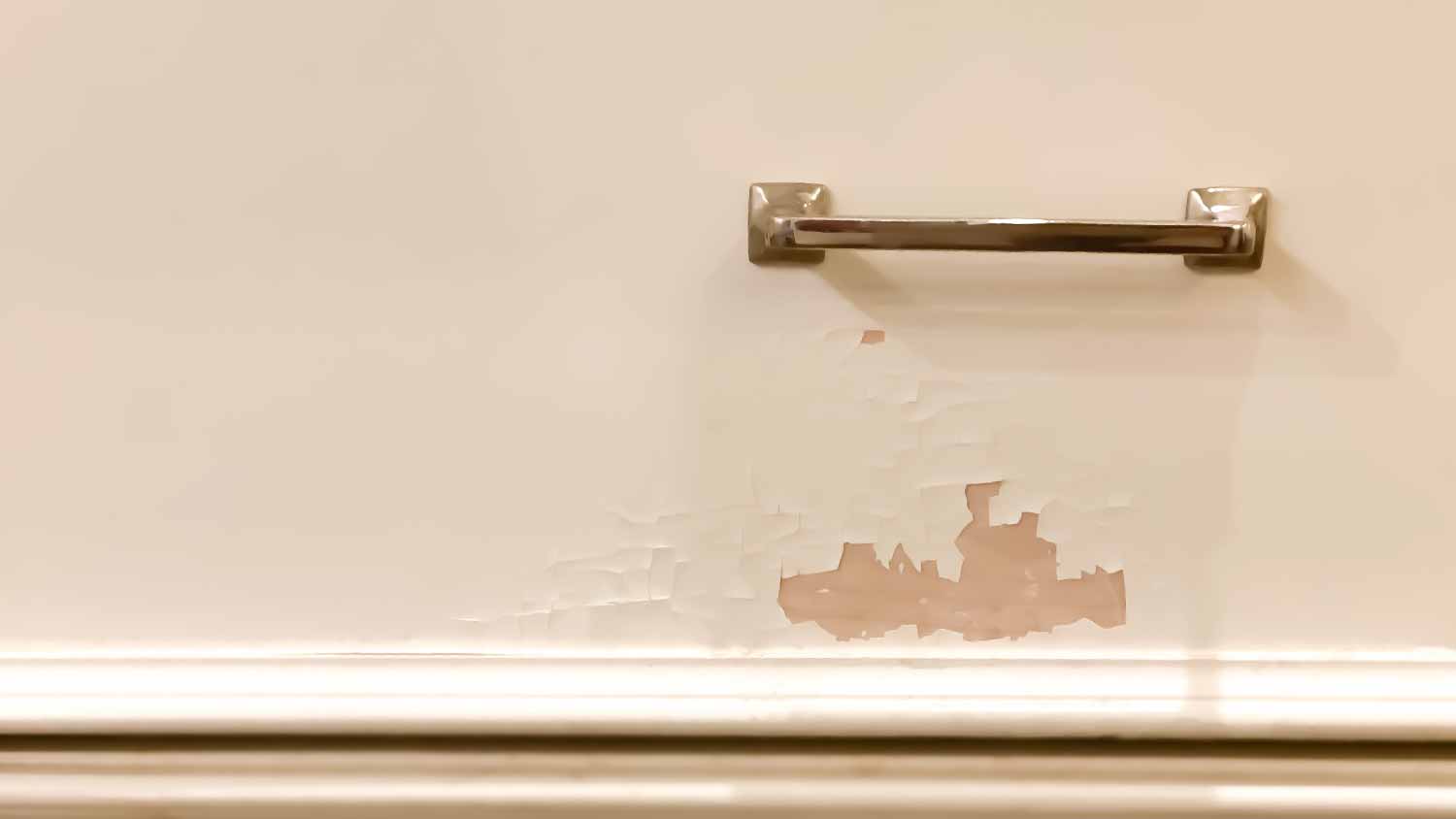
1. Characteristic Wastes: These exhibit at least one of four hazardous traits: ignitability (flammable, like gasoline), corrosivity (can rust or decompose materials, like car batteries), reactivity (unstable and can explode, like aerosol cans), or toxicity (harmful when ingested, like lead-based paint).

2. Listed Wastes: These are specific wastes from manufacturing and industrial processes that the EPA has officially designated as hazardous. They include byproducts from processes that use solvents, pesticides, and other chemicals.

3. Universal Wastes: These are commonly generated hazardous items that are subject to streamlined regulations. Examples include batteries, pesticides, mercury-containing equipment (e.g., bulbs), and some lamps.

4. Mixed Wastes: This category includes waste that contains both hazardous and radioactive components, making it subject to regulation by both the EPA and the Nuclear Regulatory Commission.

At-home lead tests can provide accurate results if used correctly, and if the kits are reputable and certified. They vary in sensitivity and methodology, influencing their accuracy. Follow instructions meticulously, ensuring proper sample collection and test execution. While they can detect elevated lead levels, for precise confirmation or if results are concerning, consider professional testing or lab analysis for comprehensive accuracy and guidance on addressing any issues.

The Altheimer, AR homeowners’ guide to lead testing and removal services

From average costs to expert advice, get all the answers you need to get your job done.