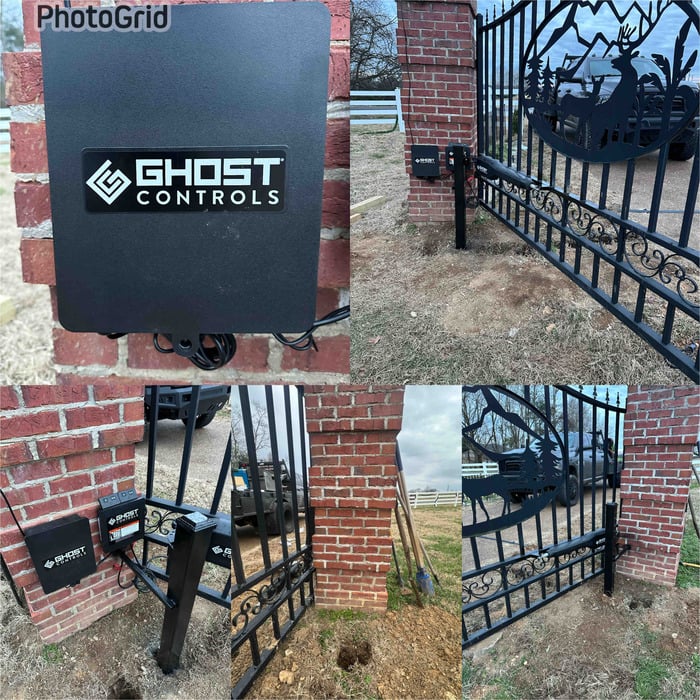
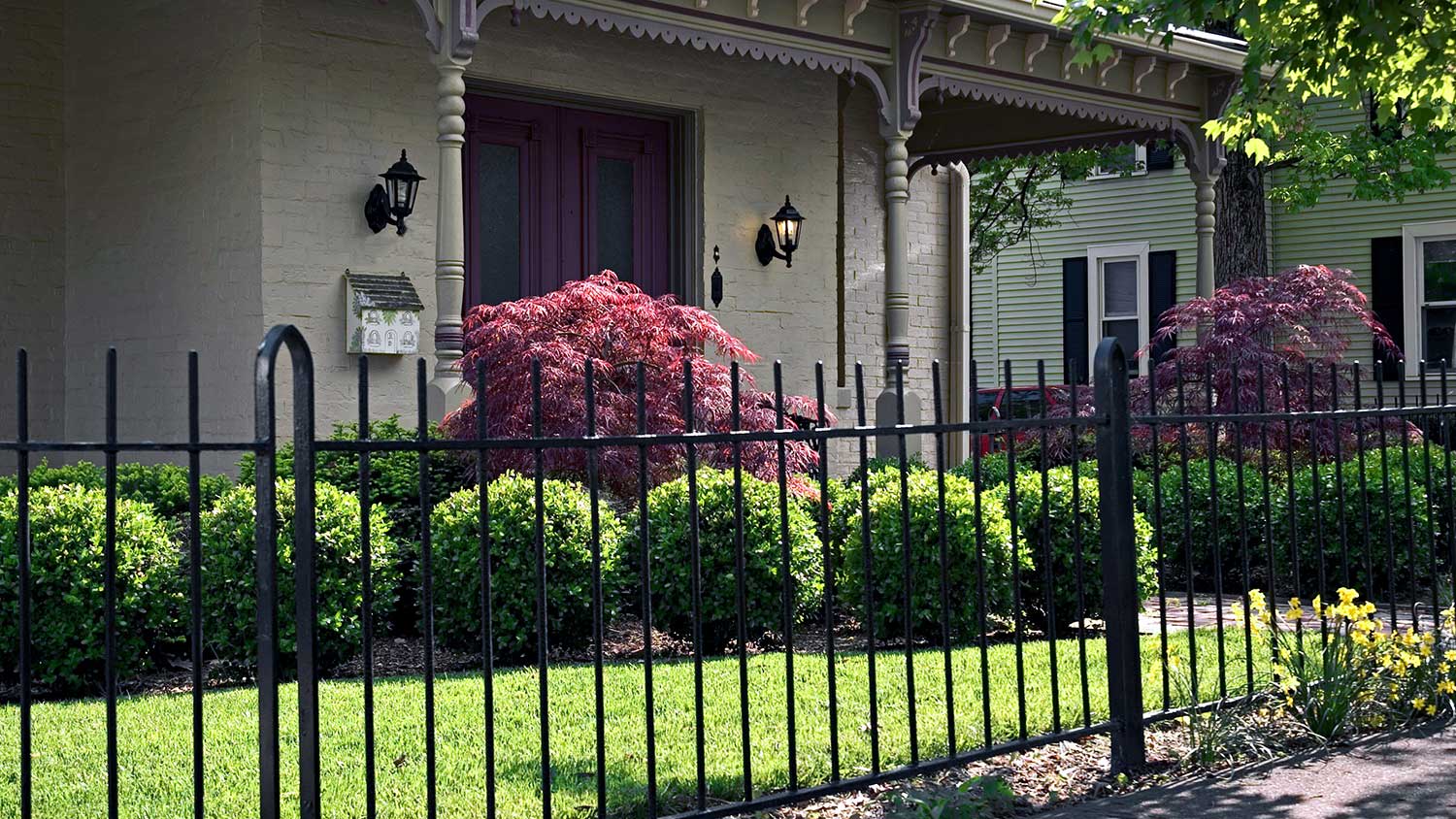
"Eli did an amazing job doing a custom double door gate for my driveway leading into my backyard. (Wide enough to fit 2 cars inside the gate opening) for size comparison. He used high quality/heavy duty materials constructing the metal frame for my wooden pickets to screw into. The gate is holding up great & showing no signs of wear (itâ s been over a year since he built & installed it). I highly recommend this company for anybody wanting an at home or business project done at a super affordable price."
"Cambell was great and worked me into his schedule quickly and he did a great job!!! I am very pleased with his work and I highly recommend Frontier👍🇺🇲"
No, fence posts aren’t always set in concrete. If you don’t want to use concrete footings for your posts, expanding foam is a popular alternative. Expanding foam and concrete each have certain pros and cons. For instance, foam is easier to install and more sustainable, but concrete is sturdier and less expensive.
The most common type of metal fence today is one made of either steel or aluminum. These materials are relatively easy to fabricate, making them much more cost-effective than traditional metal fencing handmade from wrought iron. They’re also much lighter and easier to install, contributing to their affordability and making them more DIY-friendly.
You’ll need to bury the garden fence about 1 foot underground. It’s tempting to save on materials by burying the fence just a couple of inches, but if you do so, determined pests will still be able to dig under the fence and access your plants. Burying your garden fence deep into the soil is an important step that allows you to attach a wire barrier to the fencing.
Burrowing animals (like voles, moles, rabbits, and gophers) can’t dig or chew through this wiring, meaning that you’ll be keeping your prized petunias or your robust veggie garden from being eaten.
You don't need gravel under metal fence posts, but it's always a good idea to add it in. Adding about six inches of gravel before you pour concrete will provide better water drainage, which can help to prolong the lifespan of your new fence and maximize its stability.
Installing a fence when the ground is frozen presents challenges, but it's possible with the right approach. First, mark and measure the fence line accurately. Use a power auger or manual post-hole digger to create holes in the frozen ground, ideally when it's less rigid during warmer parts of the day. Consider using pre-made fence post anchors or driving metal posts into the ground. Ensure posts are secure with concrete for stability. Allow extra time for the concrete to cure. Additionally, be cautious of frost heave, which may affect post-alignment. Installing in milder winter conditions is often more manageable.
The Trinity, AL homeowners’ guide to wrought iron services
From average costs to expert advice, get all the answers you need to get your job done.
Unsure who to hire to install a wrought iron fence? Compare fence contractors and ornamental iron pros, see how installation works, and choose confidently.