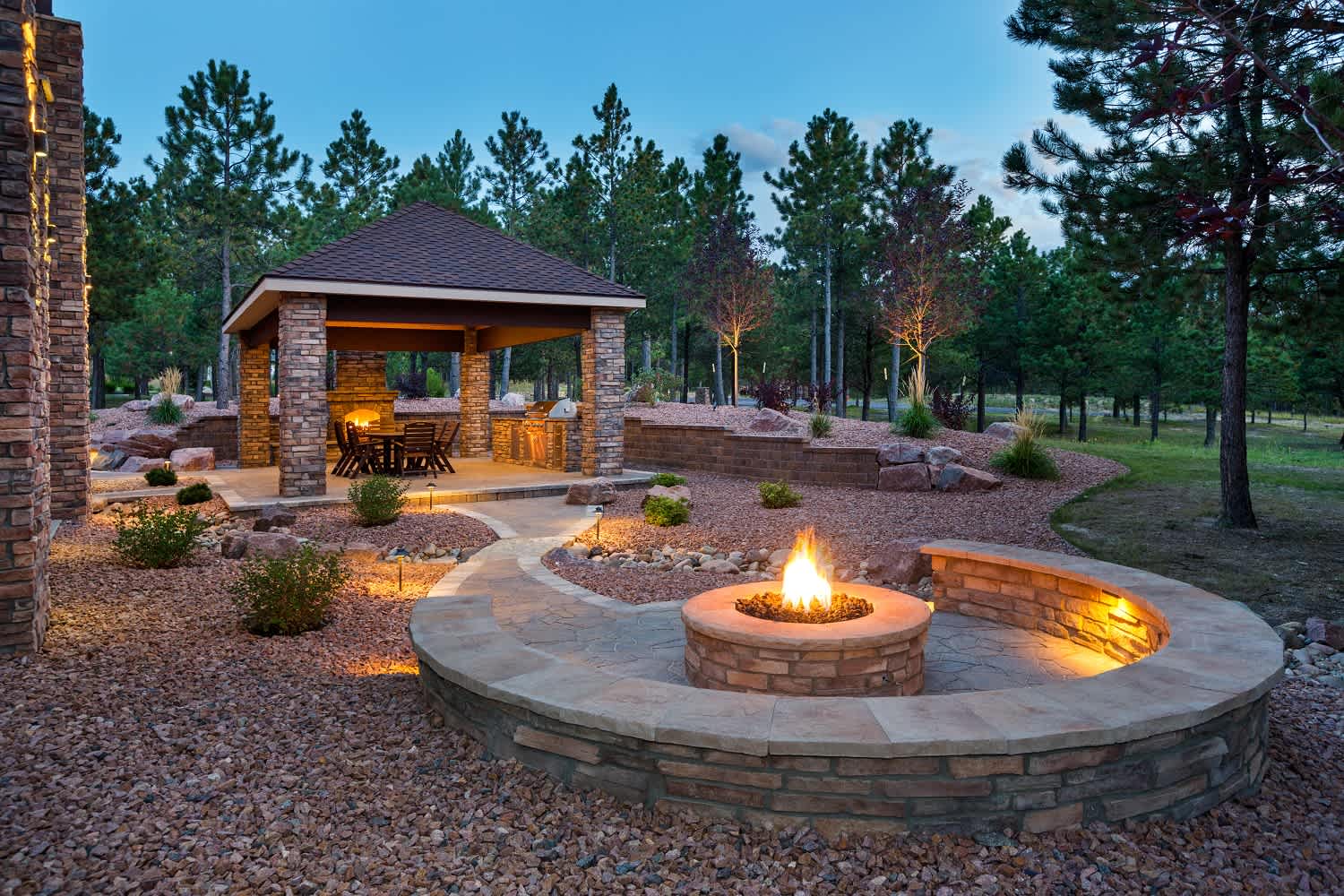



Top-rated fire pit installation pros.

Get matched with top fire pit installation pros in Trafford, AL

Enter your zip and get matched with up to 5 pros

Need a pro for your fire pit installation project in Trafford, AL?

Select your specific project to find the pro for you.

TRUSTED BY TRAFFORD, AL HOMEOWNERS

  • Average homeowner rating star icon4.3
    Average homeowner rating
  • Verified reviews icon82
    Verified fire pit installation services reviews

Find Fire pit installation pros in Trafford

Lollar’s Appliance
New to Angi

Serving Trafford, AL and surrounding areas

In business since 2012

Lollar Construction offers customers top of the line home repair. Whether you need a wall repaired or you want to build an addition onto your house, we are here to help you get the job done. We work on every job as if we're working on our house. When ever we do a job we make sure that we not only do the job to code, but we go above what is required by code so you will always feel safe and know that your job was done with utmost of care.

Fire Pit Installation questions, answered by experts

You should never block both the top and bottom of your chimney. Proper airflow is essential because the temperature inside the chimney will still fluctuate as your house warms and cools. Moisture can build up without ventilation, leading to dampness in your walls over time. Blocking the top prevents debris and animals from entering, but the chimney still needs air circulation to avoid condensation issues. Allowing the chimney to breathe maintains the health of your home and prevents long-term damage.

A chimney liner isn’t required for an outdoor fireplace; you don’t technically need one if the masonry chimney uses the proper dimensions and is built to code. However, a chimney liner does serve as a protective coating for the flue. Adding a liner could improve performance, safety, and durability. In short, while not necessary, it wouldn’t hurt.

Generally, an oil furnace is considered safer than a gas furnace for several reasons. While both types of furnaces can produce carbon monoxide, a leak in an oil furnace is easier to detect due to the smell. Oil furnaces also don't connect to a gas pipeline, which reduces the chance of a fuel leak. Most importantly, heating oil is not combustible, whereas natural gas is highly flammable. This means there is a much lower risk of combustion or explosion with an oil furnace. However, an oil furnace can still pose a fire hazard if it tips over.

Yes, a faulty or broken light switch can be a serious fire hazard. Malfunctioning switches often result from loose wiring, exposed connections, or other electrical problems that can cause overheating or sparking. Warning signs include crackling, popping, or hissing sounds when you flip the switch, which indicates live electricity that could ignite nearby flammable materials. If you suspect your light switch is faulty, immediately turn off the power at the circuit breaker and contact a qualified electrician to remedy the issue.

If a storm or other natural disaster occurs in your area, you may not have immediate access to help. According to the U.S. Federal Emergency Management Agency, keep a disaster preparedness kit in your home with enough essentials to sustain your family for at least 72 hours. Put this in an easily accessible location to have it handy in case anything unthinkable happens.

The Trafford, AL homeowners’ guide to fire pit installation services

From average costs to expert advice, get all the answers you need to get your job done.