




Top-rated radon detection and reduction specialists.

Get matched with top radon detection and reduction specialists in Taylor, AL

Enter your zip and get matched with up to 5 pros

Need a pro for your radon detection and reduction project in Taylor, AL?

Select your specific project to find the pro for you.

Find Radon detection and reduction specialists in Taylor

Avatar for McLean Solutions
McLean Solutions
4.4(
27
)
Radon Gas - AbatementRadon Gas - Testing

Serving Taylor, AL and surrounding areas

In business since 2015

Free estimates

Emergency services offered

"He did a great job explaining what was going on with the moisture under our house. He took pictures to show the before and after. He was on time and very responsive in the follow up. Thank you and would definitely recommend."
Lawn Maintenance
Adding a new gate
Before photo taken
Bats in attic
Lawn Maintenance

+2

Response time1 day
Response rate92%
Recommended by88%of homeowners

Radon Detection and Reduction questions, answered by experts

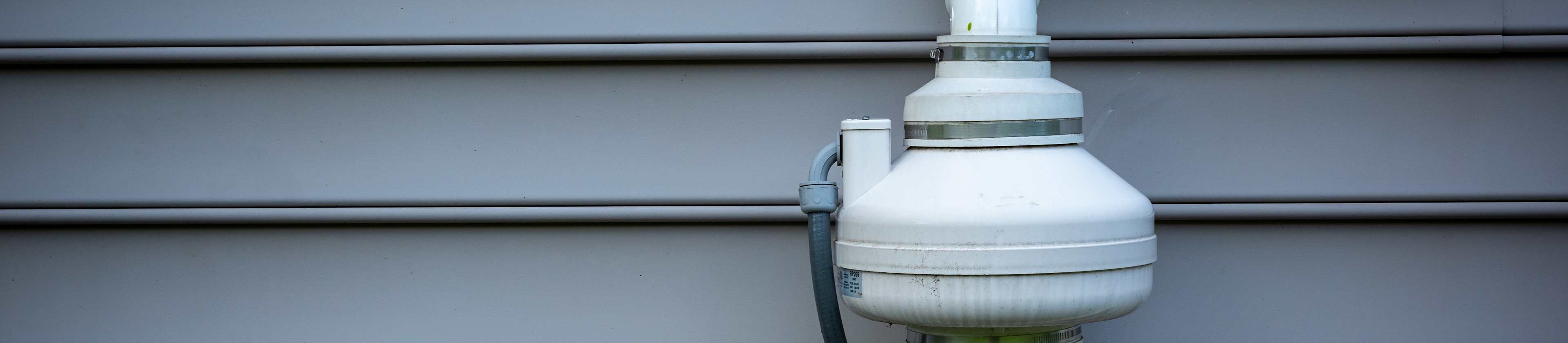
The fan that pulls the radon out of the air needs to run continuously, so you may see an increase in your electric bill once you install the mitigation system. Additionally, you may see an increase in your heating or cooling bills, as the fan can cause some loss of hot or cool air.

The soil beneath your house is most likely what’s causing an increased level of radon. This is because soil holds radioactivity for a long time and it’s also what most buildings are built on. Another common source of radon is water from a source that hasn’t been through periodic radon tests, such as well water. Over time, the radon from the soil can inhabit other parts of your house like the foundation or plumbing.

You'll need to test your home for radon after installing the mitigation system, then again every two years. If radon remains elevated, contact a licensed radon professional, either the contractor who installed the system or a different one, and have them evaluate the system. They may need to make some changes to improve its effectiveness and performance.

Installing a mitigation system reduces radon levels, which can cause lung cancer, providing peace of mind and long-term health benefits. It can also increase your home’s value, as many buyers prefer properties with radon safety measures in place. The investment is relatively low compared to the potential health risks associated with prolonged radon exposure.

The average radon mitigation system uses about 876 kWh of electricity per year, although the exact amount of electricity used will vary depending on the size of the radon fan. Once the system is installed, the annual increase to your energy bill could range from $30 to $300 per year, again depending on the size of the fan.

The Taylor, AL homeowners’ guide to radon detection and reduction services

From average costs to expert advice, get all the answers you need to get your job done.