




Top-rated arborists.

Best arborists near Sulligent, AL

Enter your zip and get matched with up to 5 pros

Need a pro for your arboricultural service project in Sulligent, AL?

Select your specific project to find the pro for you.

Top-Rated Arborists in Sulligent - Updated Nov 2026

Avatar for Natdawgs hauling &excavating llc
Natdawgs hauling &excavating llc
5.0(
1
)
Tree RemovalTree Removal - For BusinessTree Stump - Remove+3 more

Serving Sulligent, AL and surrounding areas

Approved

Free estimates

Emergency services offered

Small jobs welcome

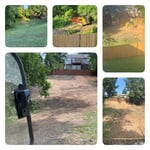
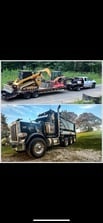
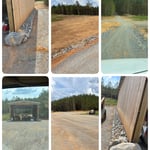
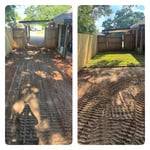
I’ve been doing tree and skid steer work for about 20 years, customer satisfaction is my goal. The job is not complete until you, the customer, are happy. I am a perfectionist, I like and want stuff done right! I am willing to travel almost anywhere within the state. I am highly efficient in a skid steer and working out of a bucket truck..
Baker Farms
Wendling property
Teresa’s property
13 neighbors recently requested a quote
Avatar for Scott Humber
Scott Humber
New to Angi
Tree Trimming

Serving Sulligent, AL and surrounding areas

Approved

Emergency services offered

Small jobs welcome

Offers commercial services

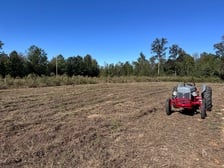
I have a tractor with front end loader and box blade, bush hog, scrape blade , chainsaws , pole saws, trailers for light tractor work grading and lower tree trimming, junk removal or appliance removal and anything similar. Will do small jobs or larger jobs.

Showing 1-10 of 38
Arborists FAQs, answered by experts

The cost of professional tree trimming averages $460, with a typical range between $200 and $760. However, prices can be as low as $75 or as high as $1,800 depending on several factors. The size and type of the tree are major cost drivers; for example, trimming Crepe Myrtle trees costs an average of $80 to $400, while trimming giant pine trees can range from $200 to $1,800. Other factors that influence the price include the time of year, as services are often more costly in the spring. The tree's accessibility and your location also play a role, as a remote or hard-to-reach tree may increase the cost. Some professionals may offer a discount if you have multiple trees to trim.

The ideal depth of a tree notch depends on the tree, but it should usually be between 20% and 25% of the tree’s depth. However, if the tree is leaning towards the direction of the notch, it can be cut more shallowly—at as little as 10% of the depth. When the tree is leaning away from the direction it needs to be felled, you can cut deeper, closer to 30%.

In most cases, you should not use a pruning seal on trees after trimming. Applying a sealant can interfere with the tree's natural healing process, and it does not guarantee protection from pathogens. Instead of sealing the cut, the best practice is to support the tree's natural recovery by providing it with plenty of water and a dormant-style fertilizer. However, there are exceptions. Pruning seals may be recommended for very vulnerable species, like elm trees, in areas where dangerous diseases such as Dutch elm disease are prevalent. In these specific situations, the protection offered by a sealant can outweigh its downsides. For advice tailored to your situation, especially after cutting large branches, it is best to consult a local tree trimming professional.

Service costs depend on several factors, including the system's age, type, and size, as well as the complexity of the repair. Labor costs and whether replacement parts are necessary also play a significant role.

White vinegar does not kill ivy on trees because its acetic acid concentration is not high enough to overpower it. Vinegar is an effective herbicide for weeds and other plants, but not for the strength of most ivies, including poison ivy and English ivy. You should use an herbicide to kill ivy, such as one with glyphosate, imazapyr, or triclopyr.

The Sulligent, AL homeowners’ guide to arboricultural services

From average costs to expert advice, get all the answers you need to get your job done.