
Top-rated lead testing and removal specialists.

Get matched with top lead testing and removal specialists in Jacksonville, AL

Enter your zip and get matched with up to 5 pros

Need a pro for your lead testing and removal project in Jacksonville, AL?

Select your specific project to find the pro for you.

Find Lead testing and removal specialists in Jacksonville

A1A Environmental, Inc.
4.8(
73
)
Toxic Lead - Abatement

Serving Jacksonville, AL and surrounding areas

In business since 2019

Free estimates

Credit card accepted

"We are doing a major renovation in a 120-year-old home. When working with a home of this age it is guaranteed that you will uncover some surprises when working on it. When we discovered we had the lead in our walls and ceilings we had a few consultations and quotes from other companies that left us overwhelmed and defeated. Things turned around when we finally found A1A. Sean, David, and the crew are fair, kind, and extremely helpful. It helps that they value old homes and work with you to find the best option with both safety and preservation in mind. We had to have the crew out three times to complete work because each round of demo kept uncovering new findings, but Sean and David never once tried to take advantage of us. David or Sean would come on-site each time to guide us through our options and test any additional surfaces that were uncovered. They worked quickly as well which helps when we are moved out and on a timeline for our renovation project. I cannot recommend them enough for any of your mold, lead, or asbestos needs."
Response time1 day
Recommended by96%of homeowners
Lead Testing and Removal questions, answered by experts

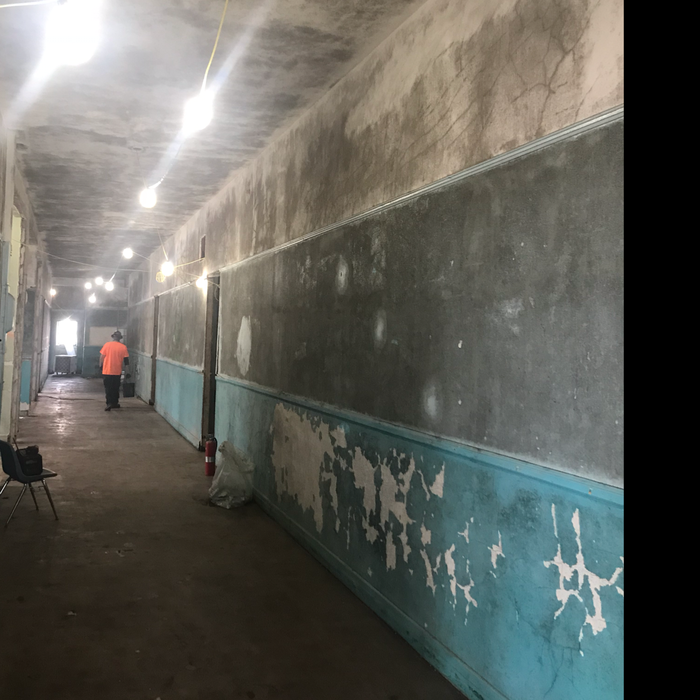
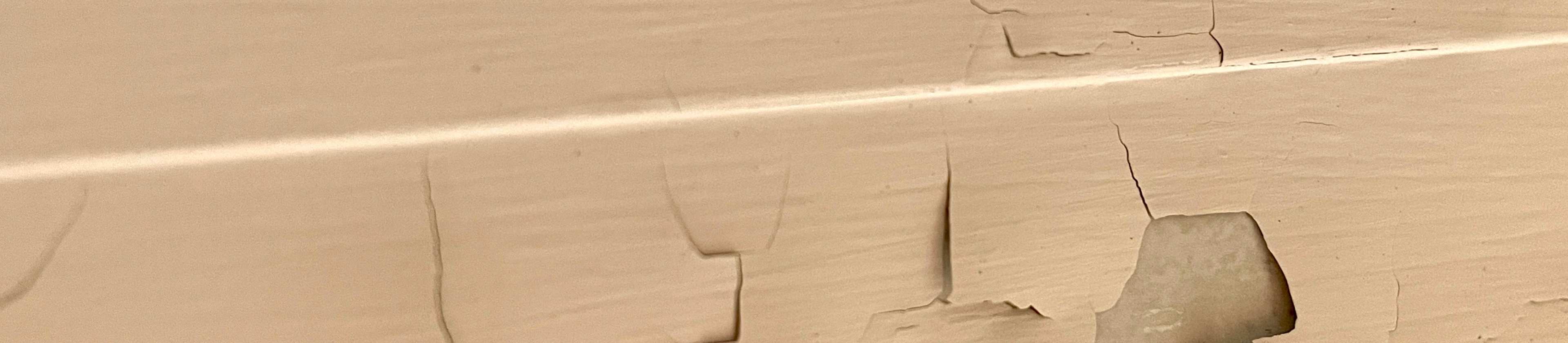
Lead toxicity comes from inhaling lead or consuming it. Before the 1980s, when the government banned lead from consumer use, it could be found in paint, plumbing, pipes, ceramics, and even gasoline. Lead paint is toxic for the same reason lead itself is toxic, which is why lead poisoning from paint presents the same as lead poisoning from water or food sources, with a slight increase in respiratory symptoms vs. digestive symptoms. Lead paint is most dangerous when it’s old and peeling, cracking, or otherwise disturbed. This increases the concentration in the air and, therefore, in breathable air. 

Results from professional lead testing are typically available within a few days to a week (2-7 days), depending on factors like laboratory processing times and the volume of samples being analyzed. Expedited services may also be available for urgent situations.

No. Standard homeowners insurance does not cover any kind of lead remediation, focusing instead on sudden, unpreventable events like fires and theft. Many insurance companies will specifically exclude lead paint removal, since it tends to be an expensive and unavoidable project. The exception is if the lead surface is damaged during a covered event (like a flood) and homeowners insurance pays its replacement.

Iron sediments from rusty pipes are not likely to cause health problems. While a glass of yellow-hued water is off-putting, it is generally safe to drink yellow water in the short term. But you certainly want to address this problem. In the meantime, switching to bottled water until the yellow water issue is resolved is a good idea. 

According to the Environmental Protection Agency (EPA), hazardous waste is generally classified into four main categories:

1. Characteristic Wastes: These exhibit at least one of four hazardous traits: ignitability (flammable, like gasoline), corrosivity (can rust or decompose materials, like car batteries), reactivity (unstable and can explode, like aerosol cans), or toxicity (harmful when ingested, like lead-based paint).

2. Listed Wastes: These are specific wastes from manufacturing and industrial processes that the EPA has officially designated as hazardous. They include byproducts from processes that use solvents, pesticides, and other chemicals.

3. Universal Wastes: These are commonly generated hazardous items that are subject to streamlined regulations. Examples include batteries, pesticides, mercury-containing equipment (e.g., bulbs), and some lamps.

4. Mixed Wastes: This category includes waste that contains both hazardous and radioactive components, making it subject to regulation by both the EPA and the Nuclear Regulatory Commission.

The Jacksonville, AL homeowners’ guide to lead testing and removal services

From average costs to expert advice, get all the answers you need to get your job done.