






Get matched with top lead testing and removal specialists in Cedar Bluff, AL
Top-rated lead testing and removal specialists.

Need a pro for your lead testing and removal project in Cedar Bluff, AL?

Select your specific project to find the pro for you.

Find Lead testing and removal specialists in Cedar Bluff

A1A Environmental, Inc.
4.8(
73
)

Serving Cedar Bluff, AL and surrounding areas

In business since 2019

Free estimates

Credit card accepted

"We are doing a major renovation in a 120-year-old home. When working with a home of this age it is guaranteed that you will uncover some surprises when working on it. When we discovered we had the lead in our walls and ceilings we had a few consultations and quotes from other companies that left us overwhelmed and defeated. Things turned around when we finally found A1A. Sean, David, and the crew are fair, kind, and extremely helpful. It helps that they value old homes and work with you to find the best option with both safety and preservation in mind. We had to have the crew out three times to complete work because each round of demo kept uncovering new findings, but Sean and David never once tried to take advantage of us. David or Sean would come on-site each time to guide us through our options and test any additional surfaces that were uncovered. They worked quickly as well which helps when we are moved out and on a timeline for our renovation project. I cannot recommend them enough for any of your mold, lead, or asbestos needs."
Response time1 day
Recommended by96%of homeowners
Lead Testing and Removal questions, answered by experts

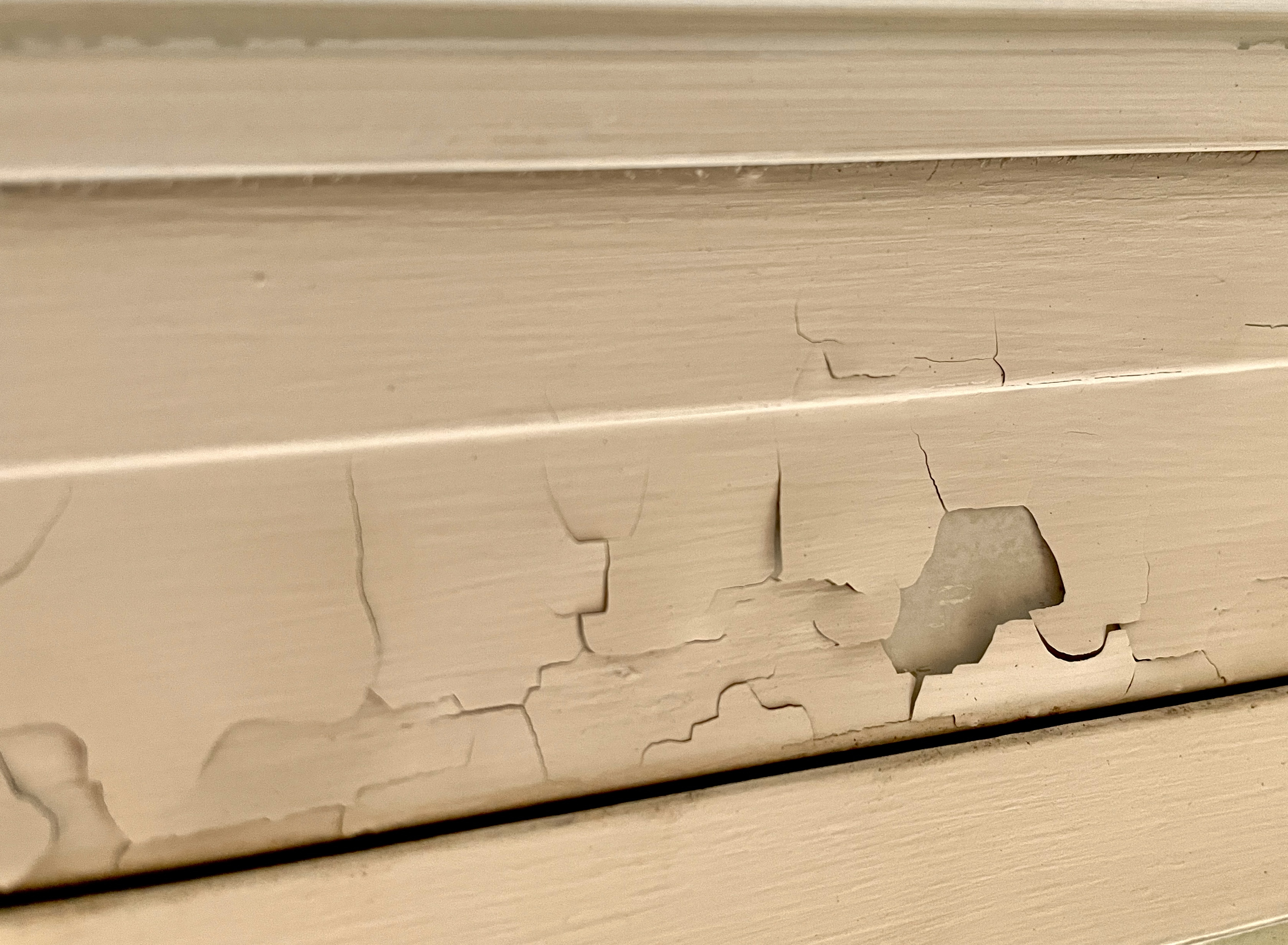
You can paint over lead paint, or “encapsulate” it with a special paint that includes an ingredient called an encapsulant. The EPA approves encapsulation as a lead paint removal method as long as the paint remains undisturbed. Standard types of paint without an “encapsulant” from the big box stores or hardware stores do not meet EPA standards for remediation of lead-based paint.

Lead testing in residential properties involves collecting samples from paint, dust, soil, or plumbing and analyzing them in certified laboratories to accurately identify lead levels.

According to the Environmental Protection Agency (EPA), hazardous waste is generally classified into four main categories:

1. Characteristic Wastes: These exhibit at least one of four hazardous traits: ignitability (flammable, like gasoline), corrosivity (can rust or decompose materials, like car batteries), reactivity (unstable and can explode, like aerosol cans), or toxicity (harmful when ingested, like lead-based paint).

2. Listed Wastes: These are specific wastes from manufacturing and industrial processes that the EPA has officially designated as hazardous. They include byproducts from processes that use solvents, pesticides, and other chemicals.

3. Universal Wastes: These are commonly generated hazardous items that are subject to streamlined regulations. Examples include batteries, pesticides, mercury-containing equipment (e.g., bulbs), and some lamps.

4. Mixed Wastes: This category includes waste that contains both hazardous and radioactive components, making it subject to regulation by both the EPA and the Nuclear Regulatory Commission.

Through air sampling devices and surface swabs in key areas of concern.

Properties should be tested for lead every 2-3 years, especially if they are older, have undergone renovations, or show deterioration of paint or interior finishes.

The Cedar Bluff, AL homeowners’ guide to lead testing and removal services

From average costs to expert advice, get all the answers you need to get your job done.