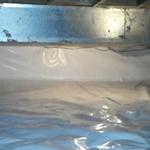
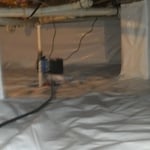
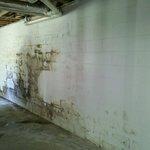
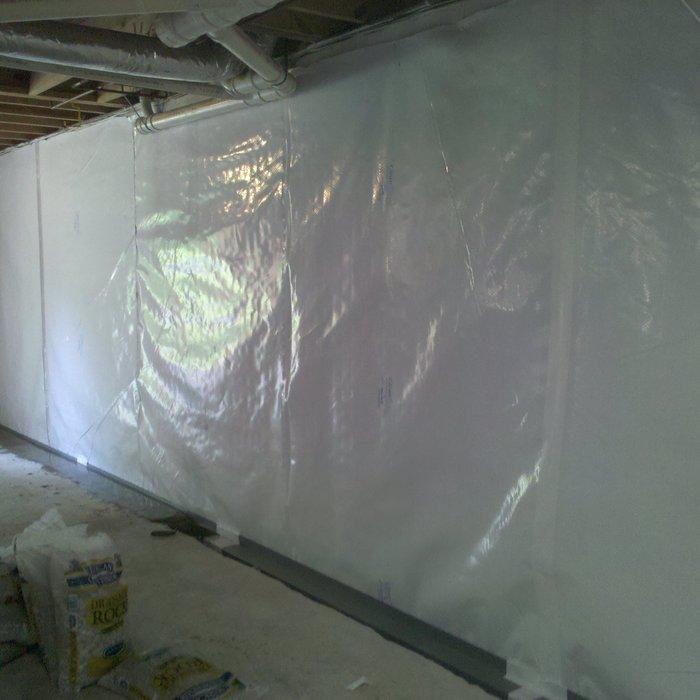
"They did a good job. I was just hoping it would stop my wood floors from creaking but they are worse. Overall believe the work done will be good for the house support though"
"It went marvelous. They were timely, courteous and they cleaned up. They were also pretty knowledgeable. They saved me alot of extra work. I wanted extra work done. They showed me how to correct the problem and then they did it."
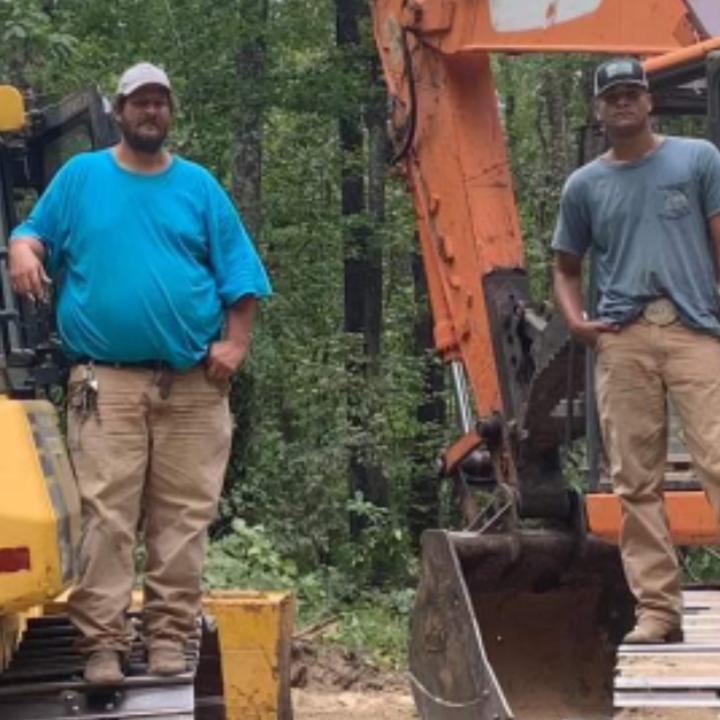
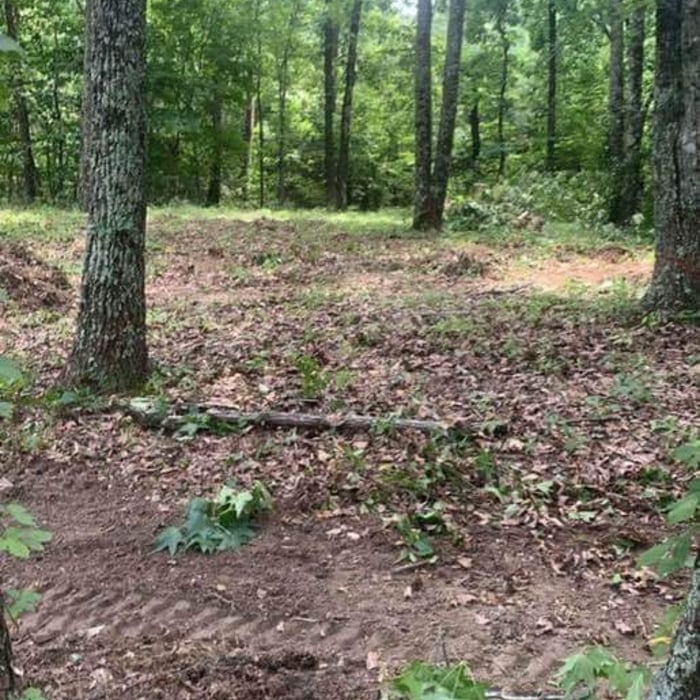
"Larry’s Grading Solutions did an exceptional job clearing my woods. The work was meticulous and detailed. The price was most competitive. Larry and his crew are some of the kindest people you’ll ever meet."
"My yard has continued to flood. Justin Wise has assured me on several occasions that he would return to correct the drainage issues. The drain was installed in June and to date, he has not returned to honor his word."
"Outstanding! Highly professional. Did great work. Excellent communication. Commitment to doing it right. Great value for services. Went the extra mile to make sure we’re happy. Will definitely use again. Highly recommend."
The cost to weld aluminum averages about $14 to $22 per pound. The type of metal factors into the overall cost of any welding project due to the cost of the materials and the expertise required to work with it.
Some of the most common metals used by welders include:
Magnesium alloy: $7–$16 per pound
Low-carbon steel: $11–$12 per pound
Stainless steel: $13–$15 per pound
Copper/brass: $24–$29 per pound
Cast iron: $38–$79 per pound
Titanium: $60–$85 per pound
To maintain custom or fabricated metal structures and extend their lifespan and appearance, perform regular cleaning, apply rust prevention treatments, and use protective coatings.
You should not do your own welding unless you have the proper training and experience. Most home electrical systems can only handle MIG welding, which creates weaker bonds than TIG welding and won’t work on certain metals or metal thicknesses. Both welding forms usually require the use of shielding gas, which can be dangerous to store at home. Additionally, welding machines create temperatures of over 3,000 degrees, and the sparks can blind you if you don’t have the proper equipment. As such, it’s usually better to hire a professional welder for your welding projects.
Cutting rectangular ductwork requires careful measurements and the right technique. Use a measuring tape and pencil to mark the cutting lines accurately. Tin snips are excellent for straight cuts on smaller ducts. For more extensive or thicker rectangular ducts, a reciprocating saw with a metal-cutting blade is effective.
Ensure the duct is well-supported and secure while cutting to prevent wobbling and maintain precision. After cutting, use a metal file to smooth any sharp edges, ensuring safety during installation.
Your typical household tools will not cut a metal pipe. To cut a metal pipe, you’d need more specialized tools like a pipe cutter or circular saw. Do not attempt to use these tools without taking proper safety precautions and wearing safety gear. It’s usually safer to let a pro cut a metal pipe, especially if you’re not confident in your skills with a heavy-duty saw.
The Fayette, AL homeowners’ guide to concrete cutting services
From average costs to expert advice, get all the answers you need to get your job done.