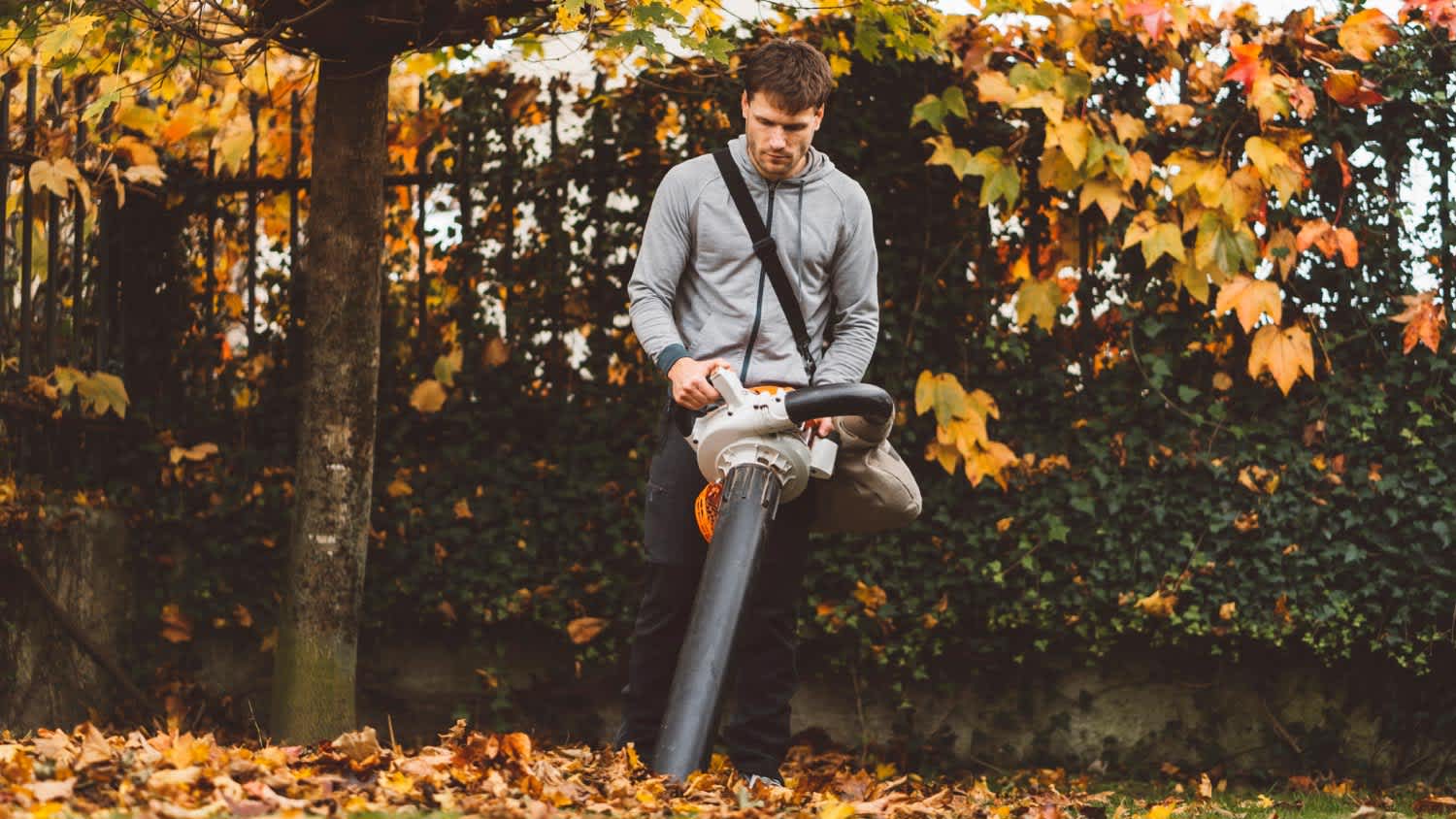
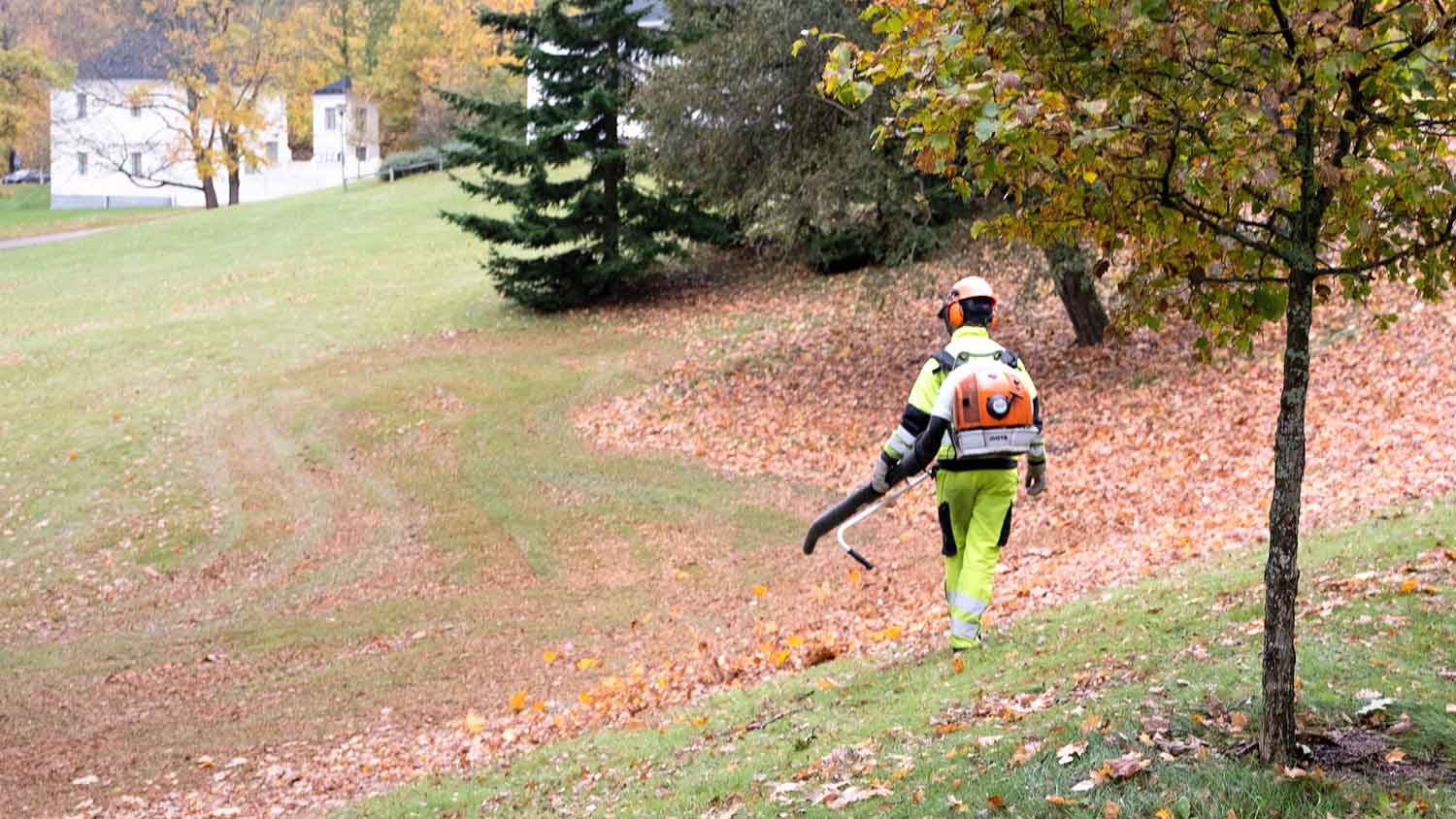
Top-rated leaf removal pros.

Best leaf removal pros near Falkville, AL

Enter your zip and get matched with up to 5 pros

Need a pro for your leaf removal project in Falkville, AL?

Select your specific project to find the pro for you.

TRUSTED BY FALKVILLE, AL HOMEOWNERS

  • Average homeowner rating star icon5
    Average homeowner rating
  • Verified reviews icon31
    Verified leaf removal services reviews

Top-Rated Leaf removal pros in Falkville - Updated Nov 2026

Avatar for Top Notch Moving & Removal
Top Notch Moving & Removal
5.0(
3
)
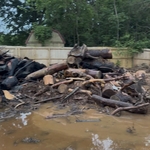
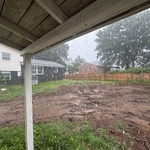
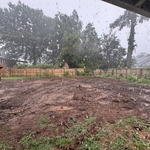
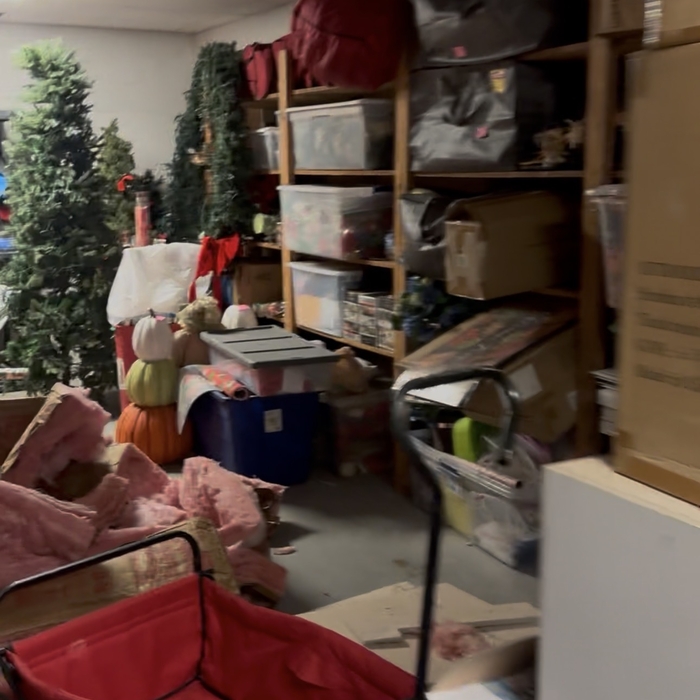
Waste, Junk, Building Materials and Debris - Remove and Haul

Serving Falkville, AL and surrounding areas

Approved

Free estimates

Emergency services offered

Small jobs welcome

Top Notch Moving & Removal LLC provides affordable moving and junk removal services in Huntsville, AL. We haul away unwanted furniture, trash, and debris, plus offer loading, unloading, and cleanouts. Fast, reliable service with free estimates!

2 neighbors recently requested a quote
...
Showing 1-10 of 269
Leaf Removal FAQs, answered by experts

The best disposal method for hazardous waste is recycling or donation, if possible. That way, the world can reduce its consumption of raw materials and the volume at which materials have to be treated and disposed of. If recycling or donation is not an option, most waste can be disposed of through landfills or incinerators, but their collection and treatment are separate from regular day-to-day waste disposal. 

According to the Environmental Protection Agency (EPA), hazardous waste is generally classified into four main categories:

1. Characteristic Wastes: These exhibit at least one of four hazardous traits: ignitability (flammable, like gasoline), corrosivity (can rust or decompose materials, like car batteries), reactivity (unstable and can explode, like aerosol cans), or toxicity (harmful when ingested, like lead-based paint).

2. Listed Wastes: These are specific wastes from manufacturing and industrial processes that the EPA has officially designated as hazardous. They include byproducts from processes that use solvents, pesticides, and other chemicals.

3. Universal Wastes: These are commonly generated hazardous items that are subject to streamlined regulations. Examples include batteries, pesticides, mercury-containing equipment (e.g., bulbs), and some lamps.

4. Mixed Wastes: This category includes waste that contains both hazardous and radioactive components, making it subject to regulation by both the EPA and the Nuclear Regulatory Commission.
If lead is detected in a property, steps should include arranging for professional removal or containment, notifying all occupants, and implementing interim safety measures to reduce exposure.

Disposing of old paint, bleach, oil, and fertilizer should be handled by a company that specializes in this kind of waste. Many private junk removal companies do not dispose of these items. Because these materials are hazardous to the environment and dangerous to handle or dispose of improperly, you should confirm with your local municipality about places to take hazardous materials for safe disposal. 

While not all homes built before 1978 contain lead paint, enough do, so you’ll still want to test to be on the safe side. The federal government banned lead-based paint for homes in 1978, but your state may have banned lead before that time. Around 24% of homes built between 1960 and 1977 contained lead-based paint, while 87% of homes built before 1940 contained lead-based paint.

The Falkville, AL homeowners’ guide to leaf removal services

From average costs to expert advice, get all the answers you need to get your job done.