Yes, you can apply peel-and-stick wallpaper over wood paneling, but it requires significant preparation for a good result. Peel-and-stick wallpaper has a weaker adhesive than traditional wallpaper and works best on smooth, non-textured surfaces like painted or primed drywall. Because wood paneling is often textured with grooves, any flaws in the underlying surface will likely be visible after application. To prepare the paneling, you must ensure the surface is free of cracks, holes, and protrusions by filling any indentations and sanding rough spots to create a smooth surface. An alternative is to remove the paneling and apply the wallpaper directly to the underlying drywall or plaster, provided it is in good condition.
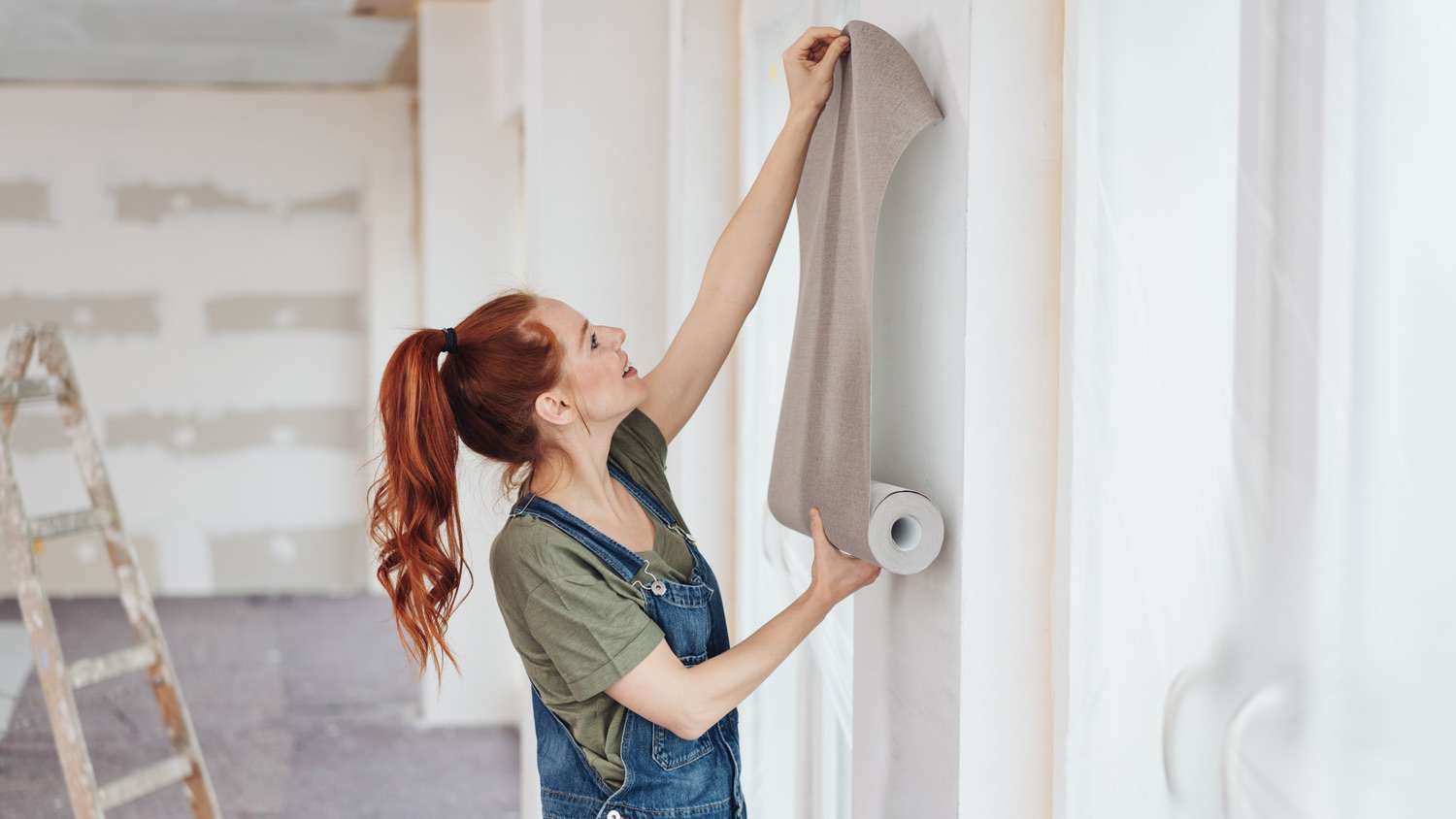
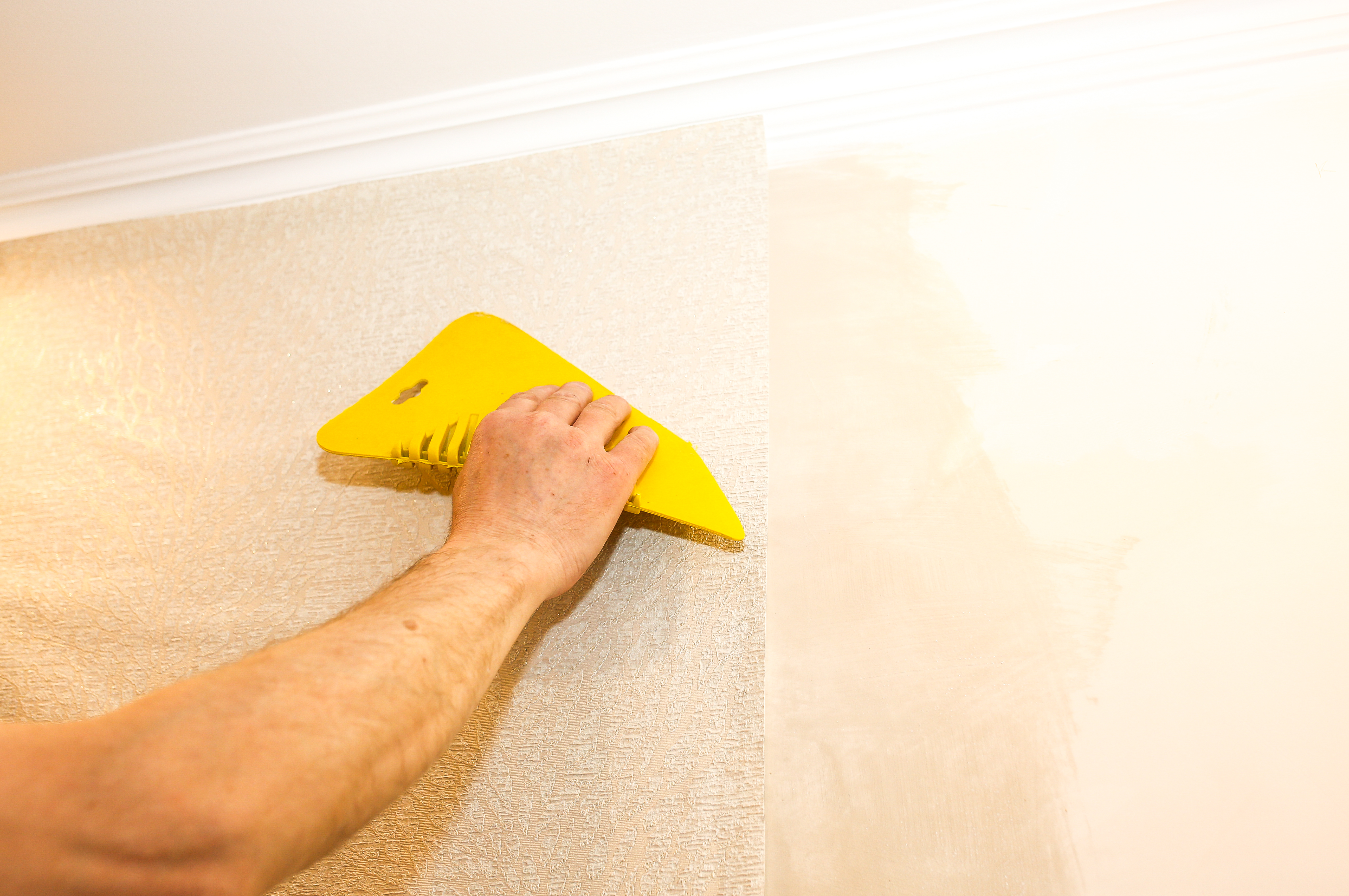
It’s possible to hang your own wallpaper, but the process is tedious and potentially frustrating, and it can be challenging to get seams to line up and look clean and professional. Plus, depending on the type of wallpaper you’re installing, using too much or too little adhesive could cause damage to your drywall or plaster, peeling, and bubbling in the final product. It’s usually a better idea to hire a professional wallpaper installer to do the work for you, as the relatively low cost is justifiable, if only to avoid damage to your walls.
Common mistakes when finishing basement walls include neglecting proper insulation, insufficient moisture management, and poor ventilation. Not addressing these issues can lead to mold growth, water damage, and discomfort. Additionally, inadequate planning, improper framing, and rushing the project can result in subpar outcomes.
It's essential to follow best practices, seek professional guidance if needed, and prioritize thoroughness and attention to detail.
One of the biggest downsides to peel-and-stick wallpaper is that it doesn't last as long as traditional wallpaper. Its lifespan depends on several factors, including the quality of the paper, proper wall preparation and application, and the room's conditions. As a general rule, peel-and-stick wallpaper can last for at least five years, but this can vary significantly. Budget products may only last about 3 years, while higher-quality products can stay up for 7 years or more in ideal conditions. Factors that can shorten its lifespan include high humidity (such as in a bathroom), dirty walls, and low-quality paper. If used on flooring, expect it to last only 1 to 3 years unless sealed. However, the shorter lifespan can be seen as a positive, making it a great choice for people who enjoy switching up their interiors more frequently.
When choosing materials for finishing basement walls, consider factors such as moisture resistance, durability, and fire resistance. Opt for materials specifically designed for basement environments, like moisture-resistant drywall or cement board. Insulation with vapor barriers can help regulate temperature and prevent condensation. Consider using mold-resistant paints or coatings.
Research and consult with experts to select materials that are suitable for your specific basement conditions and intended use. Prioritize quality and compatibility to achieve long-lasting and aesthetically pleasing results.
The Dillingham, AK homeowners’ guide to wallpaper services
From average costs to expert advice, get all the answers you need to get your job done.
Discover wallpaper installation cost. Learn about material, labor, and project factors to estimate your budget and make informed choices for your home.
Whether you can put wallpaper over wallpaper depends on the type of paper you’re using and the condition of the existing surface. Learn more with this guide.