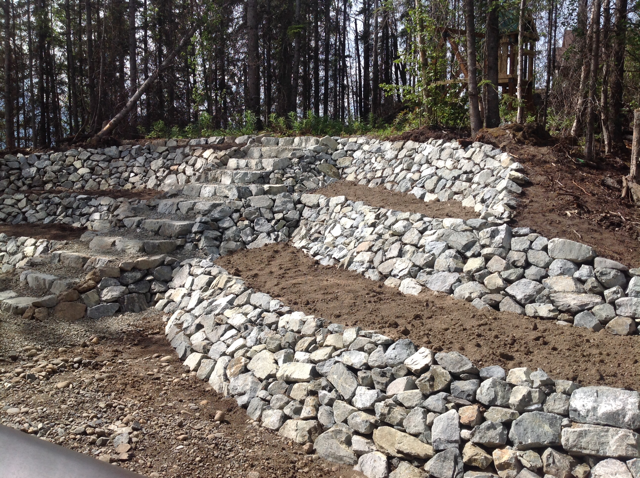
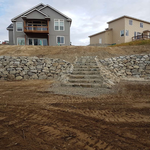
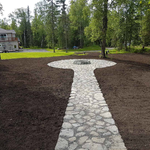
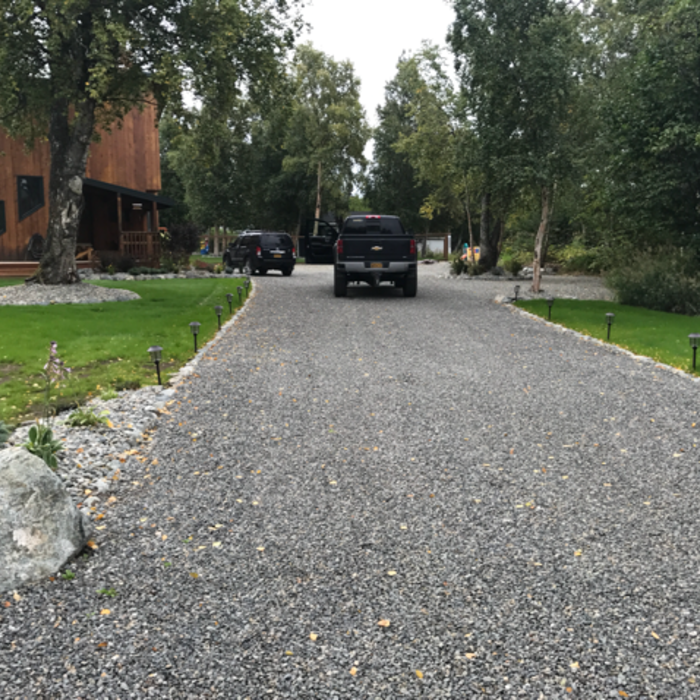
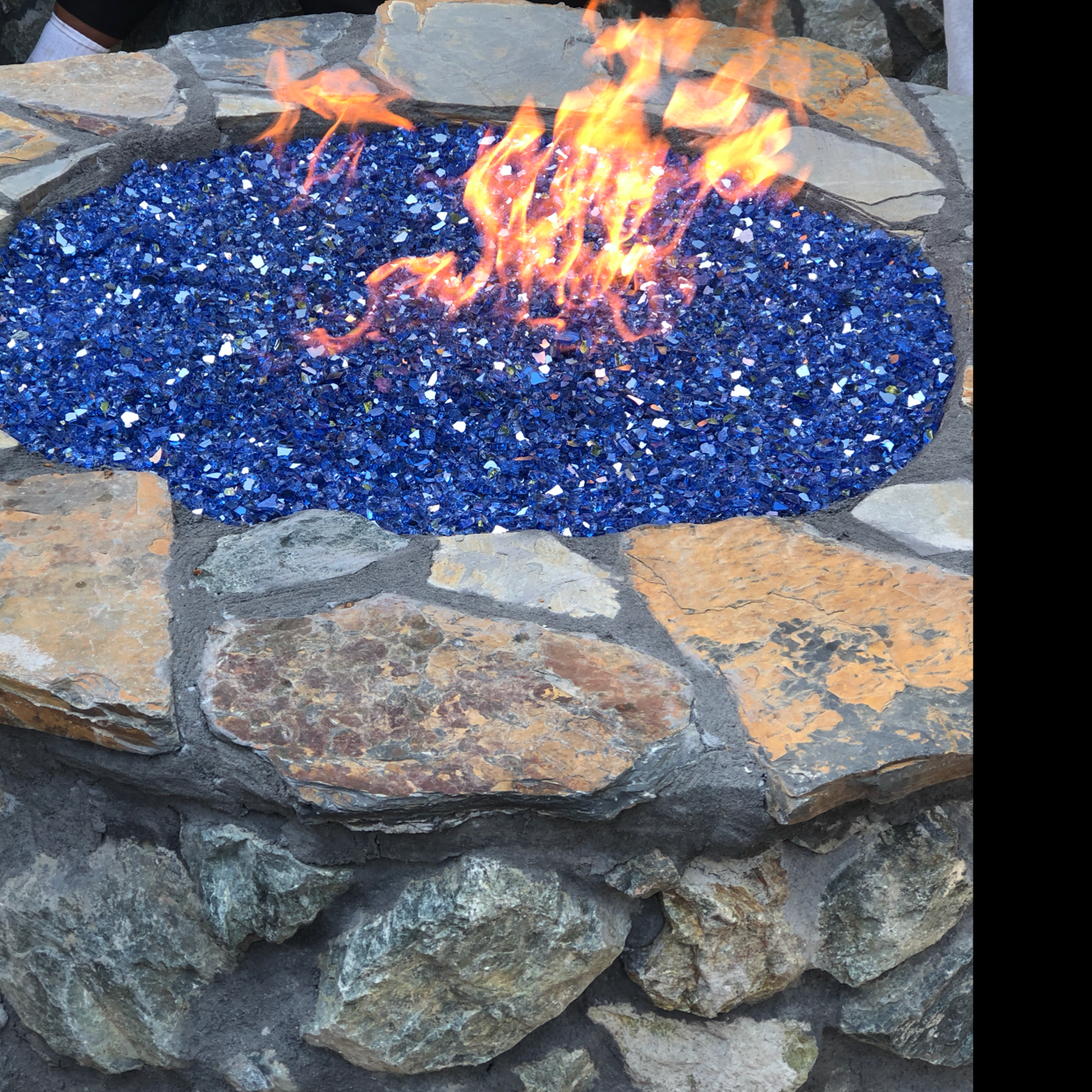
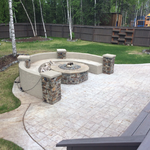
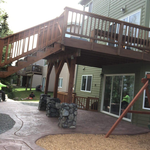
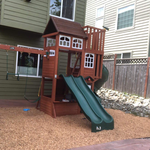
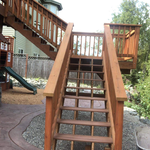
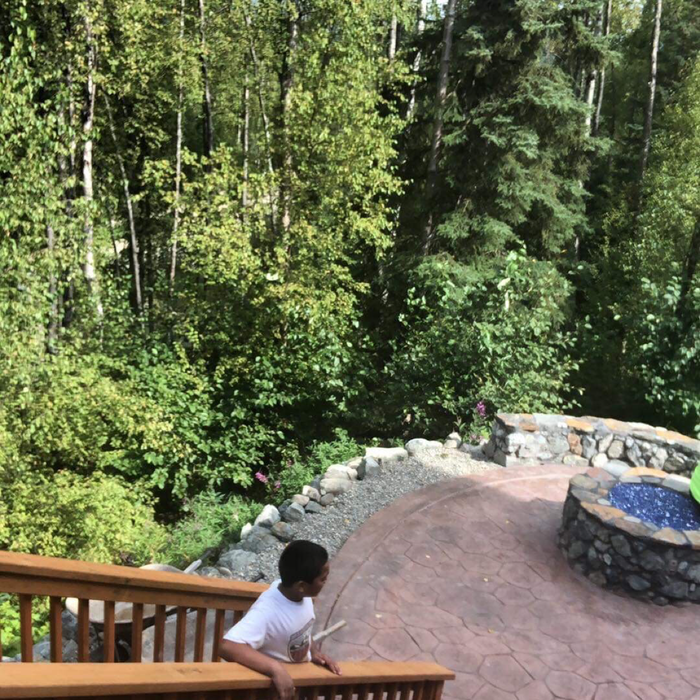
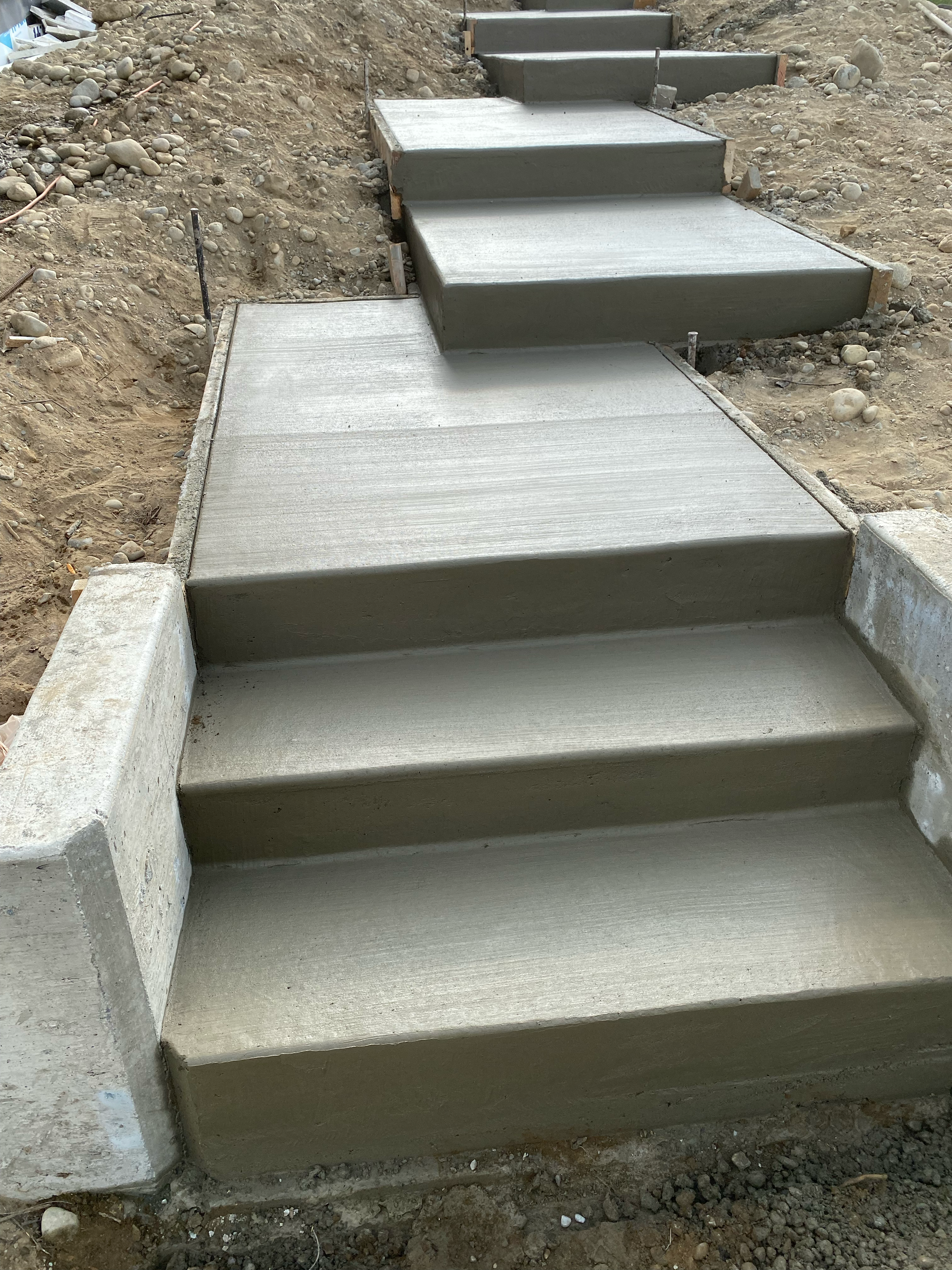
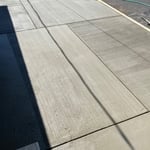
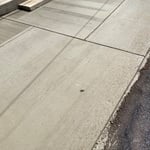
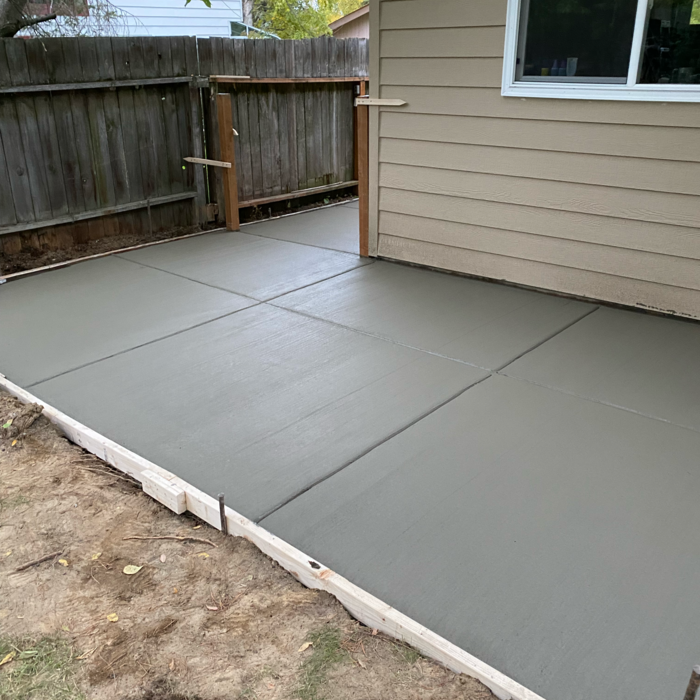
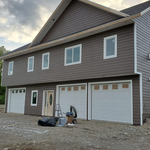
"Rock Landscaping tackled a big project for us by shoring up sloped areas with retaining walls ranging in height from 2 to six feet. Additionally, they masterfully installed a beautiful large stone staircase up a steep grade (21 steps) to the upper portion of my property and surfaced my long driveway (.12 mile) with a good thick coating of D1. Russ Enz the owner gave me great pricing on this $50k plus monster sized project. His guys are true professionals, who are easy to work with, understand your vision, work hard and have a knack for turning raw land into a gorgeous landscape. Thanks Rock Landscaping for the great experience!"
"Very good. They showed up when they said they were going to, they finished when they said they were going to, the quality and everything is good as expected."
Yes, a paved or repaved driveway can boost your home's value by increasing its curb appeal and the functionality of your outdoor space. A new driveway can add anywhere from $5,000 to $20,000 to a property's value. An old, crumbling driveway can be a red flag for potential buyers and inspectors.
The amount of value added depends on the materials used, the design, and local market conditions. Concrete is often cited as adding the most value due to its long lifespan, though asphalt may be more desirable in colder climates. The return on investment is greatest when replacing a driveway that is in poor condition; repaving a driveway that is already in good shape will not yield as significant an increase in value.
Yes, it is possible to pave over an existing driveway, but whether it's the right choice depends on several factors. If the underlying structure of your current driveway is still strong, concrete or asphalt resurfacing can be a cost-effective way to prolong its life. However, if your driveway has significant issues like potholes, deep cracks, or other inconsistencies, it is best to remove the old driveway and start from scratch. Key factors to consider include the current driveway's condition, the compatibility of the new material, the added thickness and height, and the necessary surface preparation.
If your driveway is cracked, you can repave it with a process called asphalt overlay. Overlay is more cost-effective than a full replacement but is better suited for minor cracks and issues. If you have major cracks or other problems like water pooling, asphalt overlay isn’t your best bet. Plus, paving over a cracked driveway only extends the lifetime by about 10 years, whereas replacing it would start the clock over completely to give you up to 30 years.
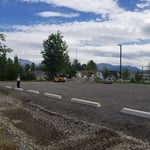
To maintain their strength, asphalt driveways and parking lots need to be sealcoated once every two to five years. You may also need to reapply paint striping every few years as it fades to ensure drivers can safely navigate the parking lot.
A driveway approach is the part of a driveway where the public road meets the private driveway. This section contains several key elements, including the driveway apron, the curb cut, and the end slope. Depending on the slope of the driveway, this area may also contain the trench drain.
The Cordova, AK homeowners’ guide to asphalt driveway services
From average costs to expert advice, get all the answers you need to get your job done.
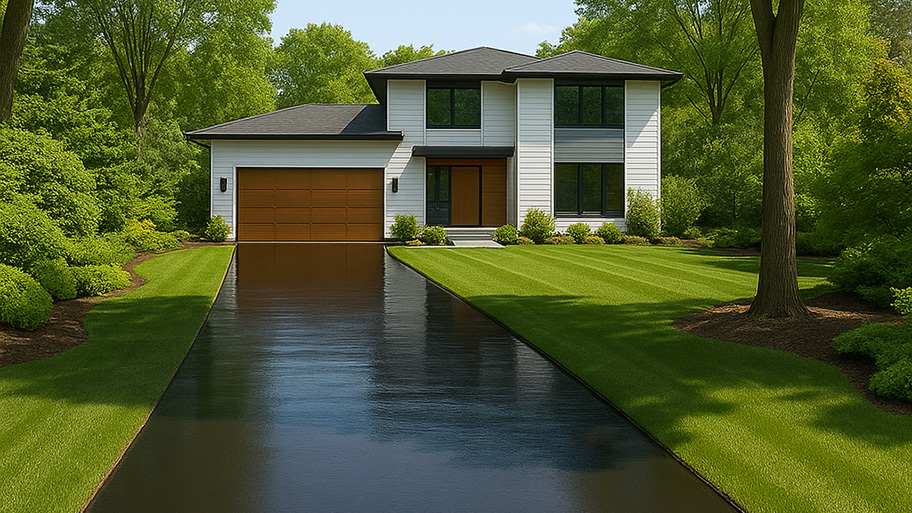
Adding a new asphalt driveway to your home can boost its overall appearance and give homeowners a nice ROI down the line. But how long do asphalt driveways last, and what can you do to maximize their lifespans? Read this guide to find out.