
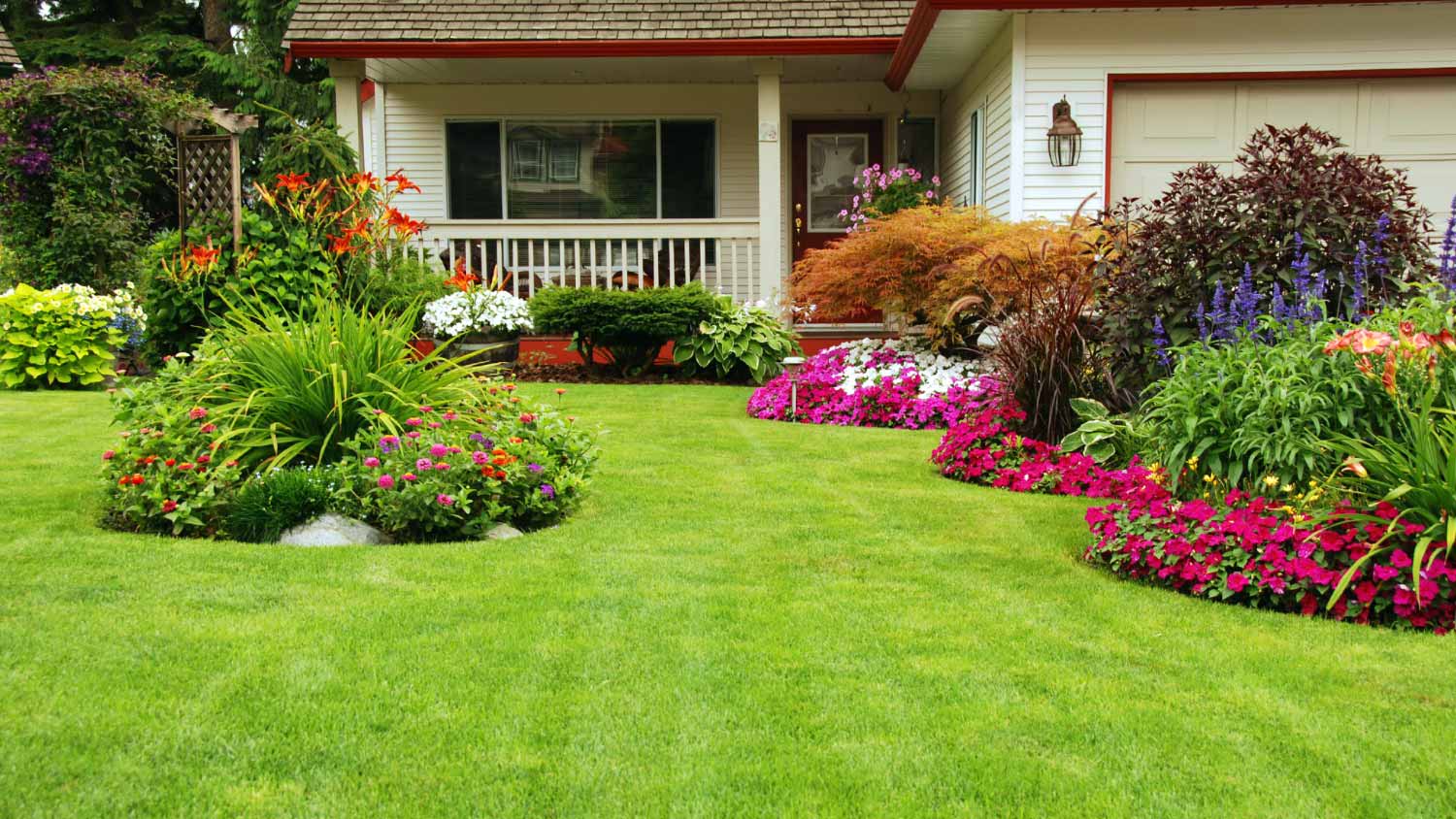
The cost to renovate your lawn depends on the extent of the damage. Our guide will show you how much lawn renovation costs.
Maybe the grass can be greener on the other side

Bermuda grass and Zoysia grass are both durable warm-season grasses, but Zoysia handles shade and drought better while Bermuda thrives in full sun.
Zoysia sod costs $0.40 to $0.60 per square foot, while Bermuda sod costs $0.35 to $0.85 per square foot and Bermuda seed costs just $0.09 to $0.18 per square foot.
Your best choice depends on your climate, sunlight exposure, maintenance preferences, and whether you need salt tolerance for coastal areas or shade tolerance for tree-lined yards.
Hiring a local lawn seeding professional provides helpful guidance on soil testing and grass selection, keeping your new lawn healthy from the start.
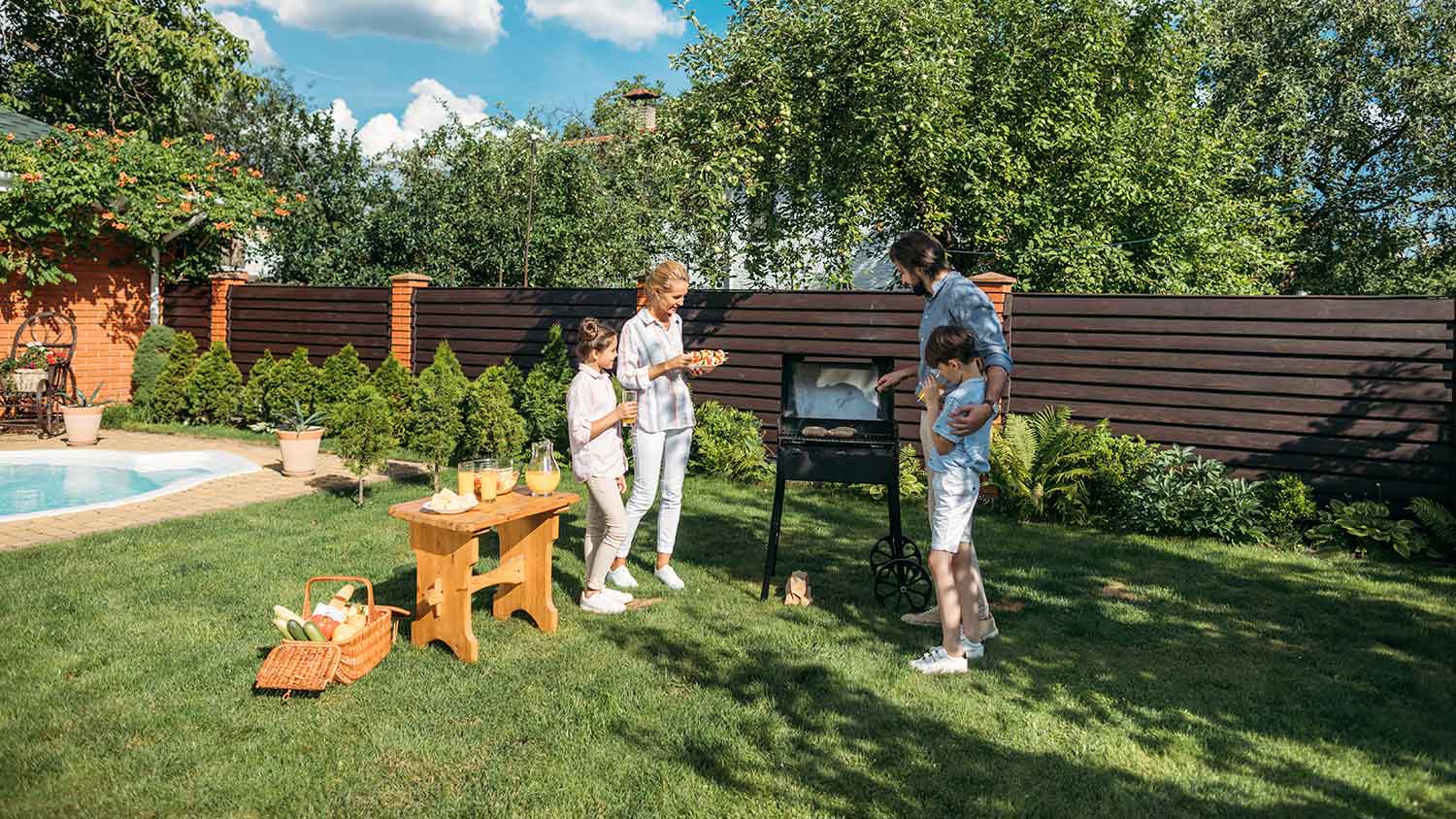
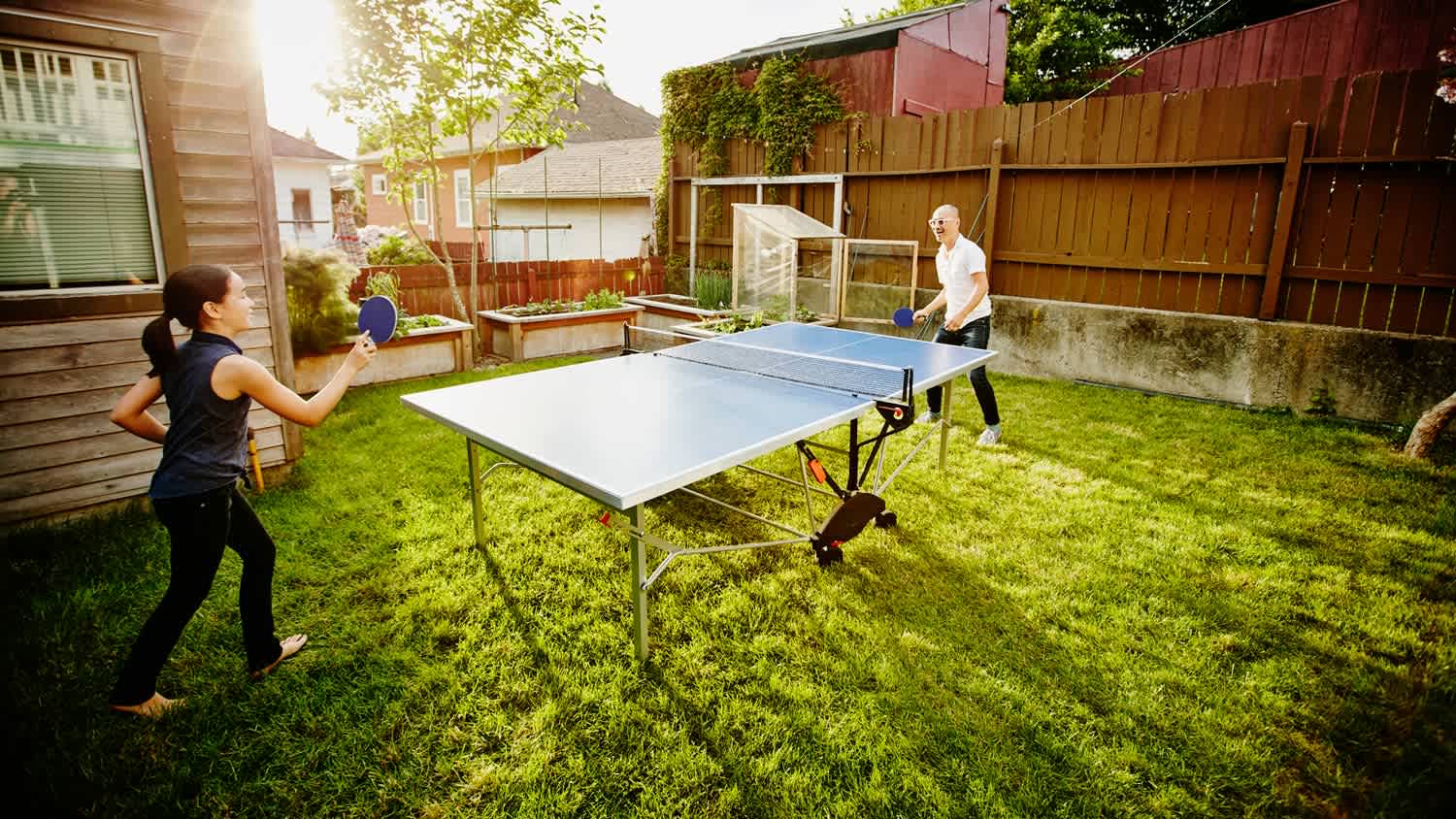
A lush lawn gives your family space to run, play yard games, and relax. And learning the key differences between Zoysia and Bermuda grass will help you make the best choice for your lawn and boost your home’s curb appeal. Zoysia and bermuda are durable warm-season grasses that thrive with the right conditions and maintenance, so read on to find out which best suits your yard.
Wondering whether to plant Zoysia or Bermuda grass seed in your yard? The main distinction is that Zoysia has a higher tolerance for shade and drought conditions and is lower maintenance. On the other hand, Bermuda grass tends to sprout faster and cost less to plant. Consider testing your soil’s pH balance to determine its needs, and consider hiring a professional lawn care company to handle the choosing and planting process.
Great experience from start to finish. They responded to my inquiry quickly and came out to give me a quote the same day. My yard was overgrown with weeds and needed lots of trimming. The guys came out and pulled all of the weeds by hand to get them out by the roots and trimmed up nicely. They were able to come up with a treatment plan within my budget to get my lawn and yard looking great again. Very professional, efficient and knowledgeable.

Zoysia grass is vibrant green grass that's relatively easy to maintain. It's a warm-season and transitional grass that does best with lots of sunlight, although it can withstand some shade and cooler periods. It remains green from spring to the first fall frost and provides a dense turf for foot traffic and activity. Consider zoysia if you live in USDA Plant Hardiness Zones 6 to 9.
| Pros of Zoysia | Cons of Zoysia |
|---|---|
| Pleasant green color | Takes at least two years to establish |
| Heat and drought tolerant | Seed is more costly |
| Dense growth great for foot traffic | Can be invasive and hard to remove |
| Stays green for longer than alternatives | Not suitable for constant shade |
| Handles cooler temperatures and shade well | Susceptible to drought periods |
Best for:
Yards that receive full sunlight
Backyards that experience heavy foot traffic
Homes located in warmer climates with potential drought conditions
Vibrant light to medium green color
Prefers warmth and full sun but can handle some cooler temperatures and shade
Dense growth, great for heavy foot traffic and lawn games
Stays greener longer than other warm-season grasses
Heat- and drought-tolerant
Easy to maintain with regular watering and mowing
Great for transitional climates
Weed-resistant once established due to a thick growth pattern
Adaptable to most soil types
Takes two years to fully establish
Costs more than other warm-season grasses because it must be planted as sod or plugs, not grass seed
Turns brown during long periods of drought
Considered invasive and can crowd other grasses if not edged
Difficult to remove once rooted
Susceptible to thatch issues
Doesn’t thrive in shady yards

Bermuda grass is a medium to dark green grass that thrives in full sun and warm temperatures. Bermuda has a fast growth rate, so you'll need to mow it once or twice a week during peak growth season. You'll also want to edge your lawn, meaning create straight edges within your lawn, as it's a durable, strong-spreading grass. Consider Bermuda if you live in USDA Plant Hardiness Zones 7 to 10, especially near the coast. Bermuda grass has a high salt tolerance, making it a great choice if you live near the ocean.
| Pros of Bermuda Grass | Cons of Bermuda Grass |
|---|---|
| Rich, dark appearance | High maintenance needs |
| Affordable seeds | Low tolerance for cold and drought |
| Quick recovery for traffic and games | Struggles in shade |
| Salt-resistant | Can be invasive |
| Deep roots | Can develop thatch issues |
| Suitable for a range of pH levels | More susceptible to pests and diseases |
Best for:
Homes located in coastal areas or near an ocean
Homeowners who enjoy frequent lawn maintenance
Golf courses and sports fields
Thick, beautiful medium to dark green grass
Costs less than other warm-season grasses, as you can plant it from seed, sod, or plugs.
High durability with quick recovery, making it ideal for heavy foot traffic and lawn games
Great in warm climates and near the coastline
Thick, deep root system
Adaptable to soils with pH from 6.5 to 8.0
Requires consistent edging
Needs maintenance such as aeration and fertilization
Low cold- and drought-tolerance
Not suitable for shady lawns or transitional climates
Difficult to remove due to invasive spreading and deep rooting
Susceptible to thatch issues
Dormant period starts earlier and can last longer than other warm-season grasses

Zoysia and bermuda grass can give you a lush outdoor carpet for playing, lounging, and hosting barbecues. Your grass type should depend on your climate, how you plan to use the grass, and whether your yard has shade. If you’d like an expert’s opinion on the type of grass that’s best for your property, reach out to a local lawn service. They can help you weigh the pros and cons, and can even plant the grass for you.
Here's a breakdown of zoysia vs. bermuda grass based on key factors to consider.
| Appearance | Lighter, friendly green | Slightly darker, richer green |
| Blade width | 2-7mm | 1.5–1.7mm |
| Comfort level | Smooth and resilient | Soft with quick recovery |
| Shade tolerance | Moderate to high | Moderate |
| Best maintained height | 0.5-2 inches | 0.5-1.5 inches |
| Wear tolerance | High | High |
| Recovery from injury | High | High |
| Drought Tolerance | Moderate | High |
| Soil | Clay, loam, sand | Heavy clays to deep sand |
| Salt tolerance | Moderate | High |
| Fertilizer | Lower nitrogen preferred | High nitrogen preferred |
| Preferred soil pH | 5.8-7.0 | 6.5-80 |
| Pest threats | Chinch bugs, billbugs | Billbugs, sod webworms, armyworms, Bermuda grass mites |
| Disease threats | Brown spot, rust, and leaf spot | Dollar spot, Spring dead spot, leaf spot, brown patch, Pythium |
An established Zoysia lawn maintains a light to medium green color, depending on your specific species. Zoysia tends to stay greener longer than bermuda grass, keeping its rich hue from spring to late fall.
Zoysia grows in dense bunches made of thin blades that grow straight up. In most cases, Zoysia takes over any weeds and keeps them out, making your lawn look healthy and full.
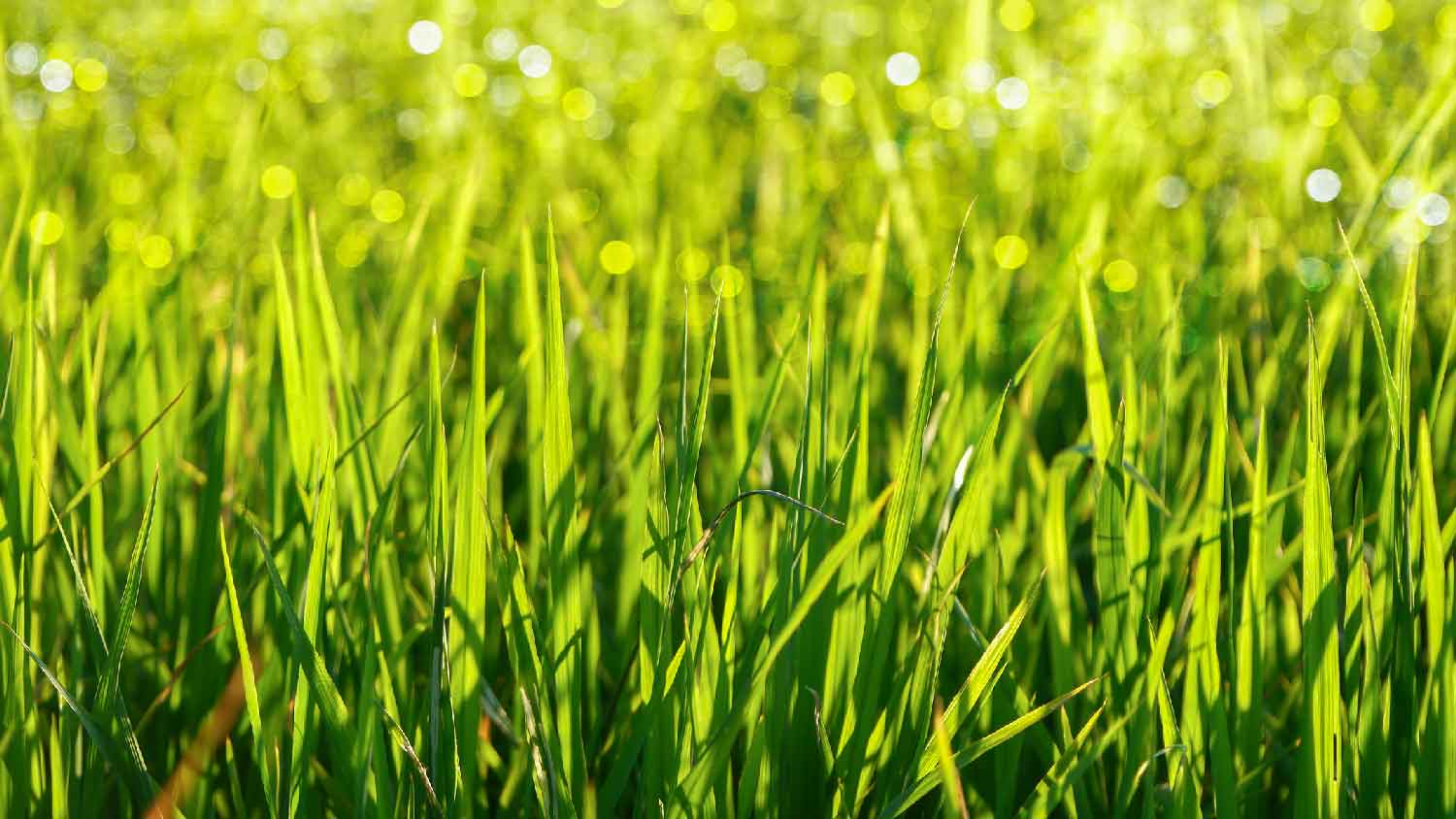
Bermuda grass is medium to dark green when healthy. Some varieties of bermuda grass have a bluish-green hue. The blades stand on a slight angle and can look flat or somewhat bowed. Many golf courses and sports fields use Bermuda grass, thanks to its ability to recuperate quickly after foot traffic. But if Bermuda grass is planted in a shady area, such as near a fence line, the grass can become dormant and brown.
Bermuda and Zoysia grasses hold up well to heavy foot traffic and frequent activity, but bermuda is quicker to recover. There’s a reason why Bermuda grass is frequently used on sports fields.
To Zoysia’s credit, it holds up better in low temperatures or with a lack of sunlight. Bermuda grass is more sensitive to weather changes and can lose its green color more easily.
Bermuda grass tends to be less expensive since you can plant it as seed (or sod or plugs). You need to plant Zoysia from sod or plugs, and it can take at least two years to fully establish.
Zoysia sod costs $0.40 to $0.60 per square foot on average.
Bermuda sod costs $0.35 to $0.85 per square foot.
Bermuda grass seed only costs between $0.09 and $0.18 per square foot on average.
Both grass types benefit from regular edging and lawn mowing. However, Bermuda grass tends to grow faster and serves better at a lower height, ½ to 1 1⁄2 inches, so it will need significantly more mowing than Zoysia.
Keep in mind that Zoysia is more resistant to shady areas than Bermuda grass, which benefits from more sunlight. Periodic fertilizing can help growth: Zoysia prefers lower nitrogen fertilizers, while Bermuda grass likes higher nitrogen content.

Zoysia grass prefers full sun like bermuda does, but it can handle some shade (usually up to four hours per day). Bermuda grass doesn't fare well without full sun. If you’re planting it near a fence line, under trees, or in other shaded areas, expect your bermuda grass to brown and turn dormant.
Zoysia grass doesn't need more water than Bermuda grass, as they both need about 1 inch of water per week including rainfall. But Zoysia tolerates overwatering and underwatering better than Bermuda grass.
Residual dampness or drought can cause bermuda grass to suffer. If it's excessively wet for more than two days, it can develop root rot. And if there's a drought, Bermuda turns brown faster than Zoysia.
Zoysia and Bermuda grass grow well in a range of soil types and conditions. Zoysia thrives in sandy and loamy soils. And if you have soil with a high clay content, Zoysia grass will grow better than Bermuda grass.
Bermuda grass has a higher salt tolerance than Zoysia, making it ideal for coastline homes. Bermuda also has a wider pH range. It grows well in soils with a pH of 6 to 7, and can even tolerate 5.5 pH. Zoysia grass grows best in soils with a pH of 6-6.5.
Both Zoysia and Bermuda grass can experience fungi growth and insects, such as billbugs and grub worms. But that's the case for most grass varieties. Maintaining a healthy lawn and removing thatch helps to keep these problems at bay.
D1 Roofing delivers outstanding service from beginning to end, backed by a strong warranty and expert teams. I highly recommend them for their excellence in meeting and surpassing expectations with unmatched communication. Choosing D1 Roofing was flawless decision
 Division 1 Roofing LLC
We had our houses windows and back door replace this summer by Window Depot USA of Central. He gave us grate advise and saved my family lots money. The team did a fantastic job with installation. If you need help, they sure get job done right!
 Window Depot USA of Central Ohio
Wonderful. I am going to have them remove and replace my driveway in the spring.
 All Star Paving and Sealing
We were having 2”x 2” tile installed . There was a small installation error and the new additional replacement tile was from a different lot and the colors didn’t match. Joe assured us that he would rectify everything , which he did without hesitation. We decided to go with the 18” x 36” tile...
 CarifaTile
We had a 20+ year old landscape lighting system that needed replacement. Midwest Lightscapes worked with us to design a much improved lighting system, lighting the exterior of the house and the back yard. Installation of the 45 light system took one and one-half days, and went very smoothly....
 Midwest Lightscapes
Did an amazing job transforming my yard. Also installed sod in places, would recommend to everyone.
 Cardinal Landscaping & Construction LLC
They show up and they did take us on as a client which seems to be a problem with other lawn care providers. We have multiple properties and this one was located close to downtown and no one really wants to mess with it.
The worker came out when he was supposed to come. He informed me he would honor the Angie's List deal, but would not do any more work for me since my son in law owns lawn care company as well, even though they do not do the same type of work. He said he did not feel comfortable giving me...
 Bello Giardino LLC
E & L Lawn Care was super. They were very responsive before and after service. They were efficient and were able to complete the job within 1 day. I have had concern about one section of sod - the owner was pro-active and did a visit to evaluate. I have no doubt they will stand behind...
 E&L lawn care
From average costs to expert advice, get all the answers you need to get your job done.
The cost to renovate your lawn depends on the extent of the damage. Our guide will show you how much lawn renovation costs.
What is Bermuda grass? This resilient grass can take your lawn from drab to fab. Consider our planting and caretaking tips to ensure your emerald sod thrives.
The answer to your question about what zoysia grass is can be found in our guide, which takes you through the pros, cons, and tips for growing and maintaining it.
Buffalo grass and Bermuda grass are two warm-season grasses, each with pros and cons. Find out the differences between Buffalo grass versus Bermuda grass.
Bermuda grass and Kentucky bluegrass thrive under different conditions. Find out more about Bermuda grass vs. Kentucky bluegrass.
Learn about and compare two excellent warm-season types of grass, Bermuda grass and St. Augustine grass, to decide which is best for your lawn.