
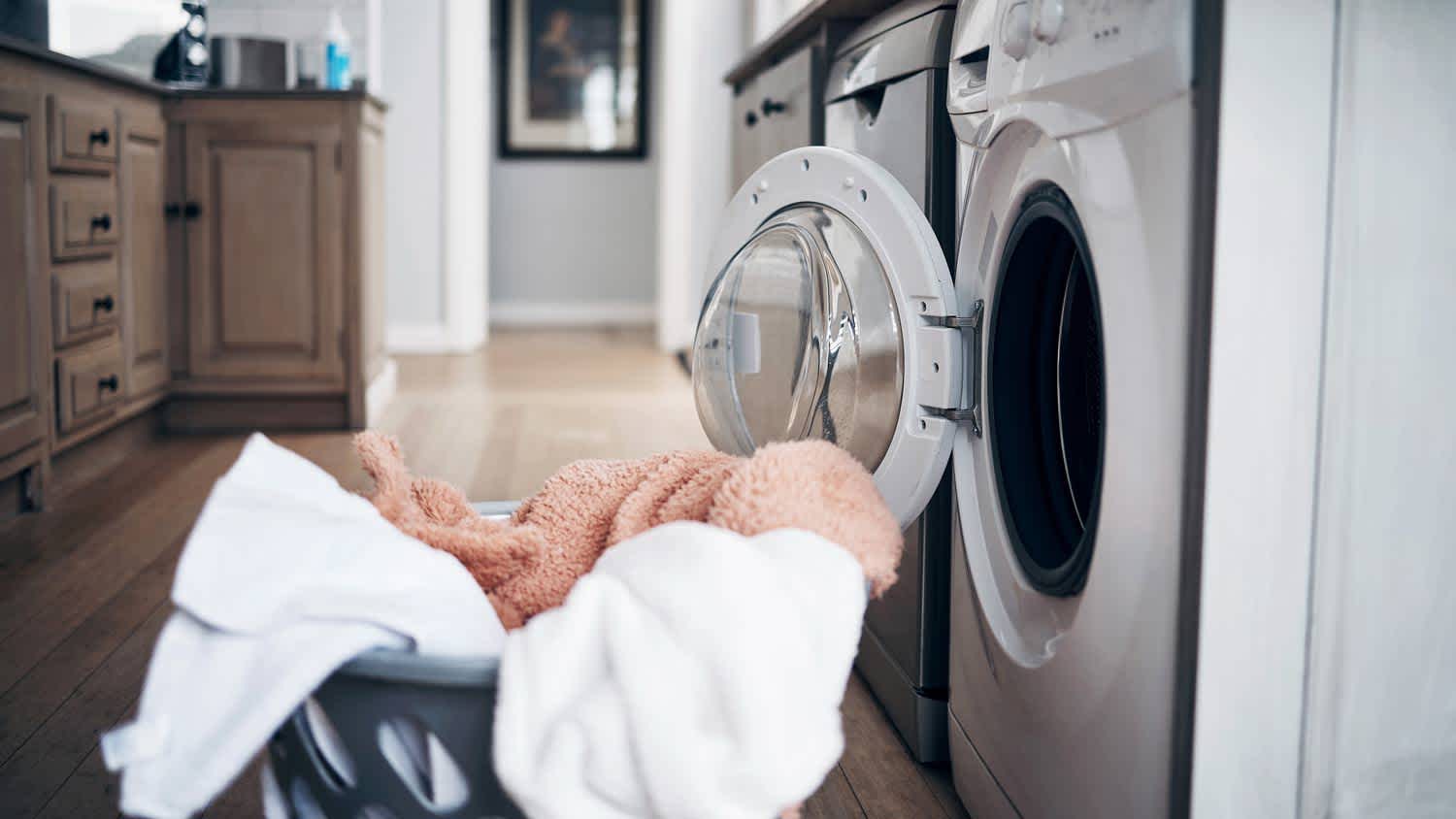
Dryer repair costs as little as $10, but sometimes, replacing your dryer is more cost-effective. But if you have to make repairs, here’s how much it’ll cost.
Only you (and these tips) can prevent dryer fires

Your dryer's lint trap collects highly flammable lint with every load, so cleaning it before or after each cycle prevents dangerous buildup in hotter dryer components.
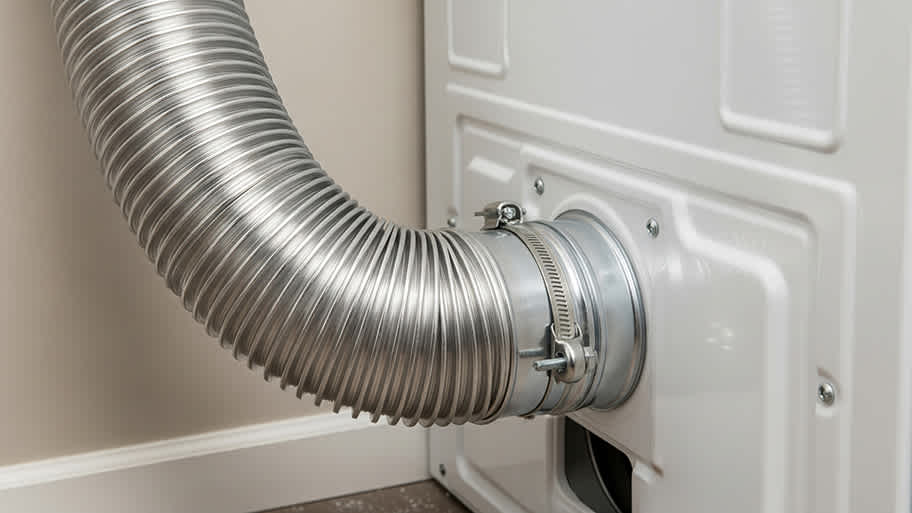
Accordion-style or plastic ductwork increases fire risk from lint accumulation, and rigid metal ducts with smooth interiors provide the safest airflow for your dryer.
Checking your outdoor vent each season ensures the slats open freely while you remove debris, trim vegetation, and replace any cracked or rusted parts immediately.
Hiring a local handyman professional provides reliable support when your dryer shows mechanical issues or needs a safety checkup, keeping your home protected and your laundry routine worry-free.
A dryer that eats socks is annoying. But one that isn't properly installed, maintained, or used can lead to one of the nearly 15,000 house fires started by dryers every year, according to a report from the National Fire Protection Association. The good news is that some routine maintenance and helpful tips can keep your clothes toasty warm rather than toasted.
The most common cause of dryer fires is excess lint, according to the National Center for Healthy Housing. It's incredibly flammable and naturally accumulates in your dryer. While most is collected in the lint trap, a full trap can lead to lint buildup in hotter parts of the dryer.
Make it a habit to clean the lint trap either before or after every load. When drying large loads, especially ones made up of towels, you may need to clean the lint trap mid-cycle. Cleaning the lint trap isn’t just for safety. Routine cleaning can increase the longevity of your dryer and help speed up the drying cycle, saving time, money, and energy with each load.
All dryers need to be connected to a vent via ductwork, whether electric or gas. But not all designs or materials are ideal. For example, plastic ductwork—once a common choice—is no longer up to code.
Ductwork should be made from metal, but avoid the accordion style. The low points in the design can lead to lint buildup, increasing fire risks.
The best ductwork design is rigid with a smooth interior. Joints should run in the direction of airflow, and the duct should be as straight as possible.
Even with a clean lint trap and proper ductwork, there's a bit more maintenance to keep your dryer running safely. Cleaning the inside of your dryer duct is a seasonal chore you can tackle on your own with a vent cleaning kit.
Start by locating your duct, usually in the back of the dryer. Disconnect your dryer by unplugging it and removing any clamps so you can pull the vent pipe away from the exhaust (keep an eye out for the gas line, if applicable). Once the pipe is away from the duct, remove the cover. Use a vent brush to loosen any lint, and suck up the loose lint with a vacuum. Once you’ve cleaned the entire duct, put all the components back together.
If you’re not comfortable cleaning your dryer duct, you can hire a dryer vent cleaning pro near you.
You may have soap to tackle any stains, like oil, gasoline, or cleaning agents. But if something flammable has spilled on your clothing, there’s a high chance residue will remain, even if the clothes appear visibly clean. Throwing them in the dryer can be dangerous.
When cleaning clothes contaminated with flammable substances, wash as needed, and then dry them the old-fashioned way: on a clothesline.

A spare ball of lint under your dryer can pose a fire risk. Periodically, check under your dryer for spare socks or debris. Sweeping up dust will also keep your dryer running safely and more efficiently.
Check behind the washer and dryer as well. It's best to keep your appliances a few inches away from the wall, rather than pushed flush against it. This gives you enough room for your ductwork to sit safely and prevents excess heat from building up behind your dryer.
Just like any appliance, dryers require routine maintenance and checks. Register your machine so you're notified of any recalls or defective parts. It's worth having a professional come and check your dryer if you notice it:
Isn’t drying clothes as quickly as it once did
Is making strange sounds
Is making your laundry room more humid
Seems to be running too hot
A local handyperson will be able to tell you if your dryer needs repair or—in a worst-case scenario—a total replacement. Either way, a dryer with mechanical issues needs immediate attention.
Just because something fits into the dryer doesn’t mean it belongs in there. Always read the care tags on your clothing and household items, like bath mats or towels. You may be surprised at what should and shouldn’t go into the dryer.
Also, pay attention to temperature and cycle instructions. You may want to take advantage of oversized dryers at laundromats or dry cleaners for bulky items like comforters or duvets rather than drying them at home.
Preventing dryer fires goes a bit farther than the dryer itself. You’ll want to check the entire dryer vent system, including the outdoor vent.
Once a season, head to your outdoor vent and, with the dryer running, check to make sure the slats are opening freely. Look for cracks, missing parts, or rust. Remove any lint or debris, using a wire brush if needed. You can also take a wet cloth and wipe away any dirt. Trim any vegetation that may be blocking the vent as well. Replace a poor functioning vent right away.
You don’t need to stare at your dryer while it’s operating, but it’s not recommended to run your dryer while you’re not home or when you’re sleeping. Fires spread quickly, and the sooner you identify one, the sooner you can ensure your family’s safety and call for help to minimize damage.
Don't open the dryer door if you smell smoke or suspect a fire has broken out. If possible, turn the dryer off, then evacuate your home safely and call for help.
Dryers are a modern convenience that are hard to imagine living without. And while they’re relatively safe, they do pose a fire risk all users should be aware of. But by properly maintaining and using your dryer, you can lower your chances of a fire and instead enjoy dry, warm, and clean clothes without the line and clothespins.
To ensure your dryer is in tip-top shape, consider having a professional perform a checkup on your dryer to check for faulty wiring, poor installation, failing electrical components, or clogged vents. Knowing your dryer is functioning properly can take a load of stress off your mind.
I would recommend this company to anyone! He showed up on time, was friendly, completed a very difficult repair on our dryer vent cover, was responsive, and pricing was extremely fair and competitive. I would have him back to do any of our repairs or cleanings without hesitation!
 U.S.A. Dryer Vent, LLC
Best cleaning I've had at my property
Fantastic group, very communicative, and they really did a great job cleaning my condo. Will be hiring them for recurring cleaning!
 eMaids of Northern Columbus
Ace Fireplace Services' chimney sweep service is truly exceptional. They used advanced technology to ensure a thorough cleaning process, and my chimney has never looked better. I highly recommend their services.
 Ace Fireplace Services
100% satisfied with the work done by Supreme Brick & Chimney. Josh responded to my Angi request very quickly and squeezed our house into his schedule only a couple business days out. The chimney cleaning process was extremely clean with ZERO dirt going anywhere besides in Josh's vacuum. Very...
 Supreme brick & chimney
Excellent the crew was great did what I ask cleaned up and the price was awesome
 All Star Paving and Sealing
On time, clean and finished fast. Windows seem sturdy and the finish is good. Caulking was done with no smudges. Would recommend.
 Window Depot USA of Central Ohio
I definitely recommend Ramonaâ s cleaning service! I have booked services with her many times and she arrives on time, ready to work and provides a great service.
 Your Cleaning Solutions LLC
Mary Cleaning Service is fantastic! The entire team is professional and pay a great deal of attention to detail. They do such a thorough job of cleaning my house. I would definitely recommend!
It was just fine. They did a good job. They cleaned what needed to be cleaned.
 Dezired Cleaners LLC
From average costs to expert advice, get all the answers you need to get your job done.
Dryer repair costs as little as $10, but sometimes, replacing your dryer is more cost-effective. But if you have to make repairs, here’s how much it’ll cost.
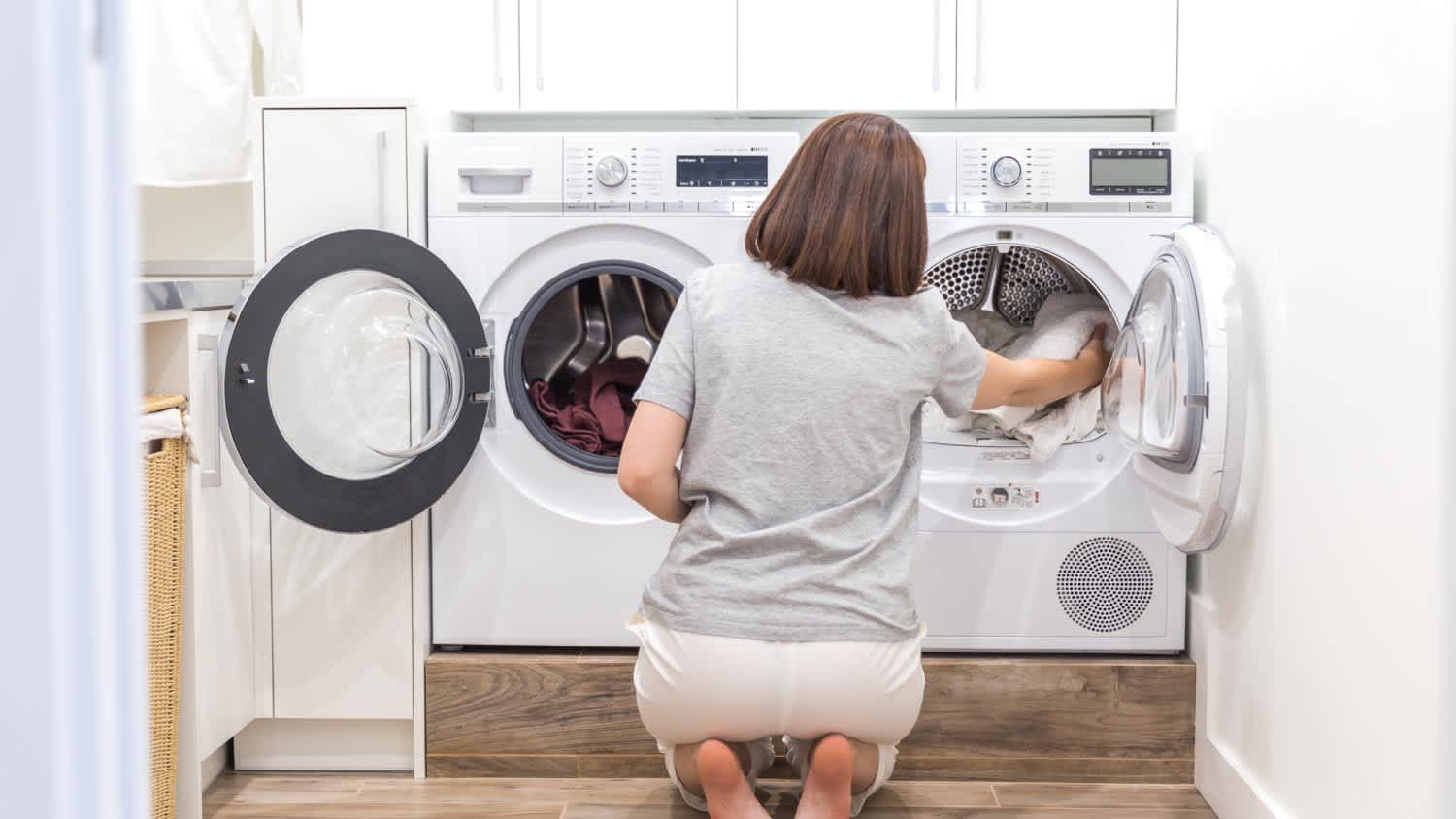
Dryer fires are scary, but they are also largely preventable. Here are seven causes of dryer fires and how to prevent them from happening.

If you want to keep your dryer alive, maintenance is key. Fortunately, you can implement six simple, routine tips to extend your dryer’s life and reduce incidents.
You might not think much of lint, but it’s actually a major fire hazard. Running your own dryer and dryer vent inspection can help you spot dangerous buildup.
Does your dryer smell burnt? This is a common problem. Learn how to determine the cause of the smell and what solutions are available.

Don’t let a dirty dryer vent cause problems in your home. Not sure how often to clean a dryer vent? Keep reading to learn best practices.