

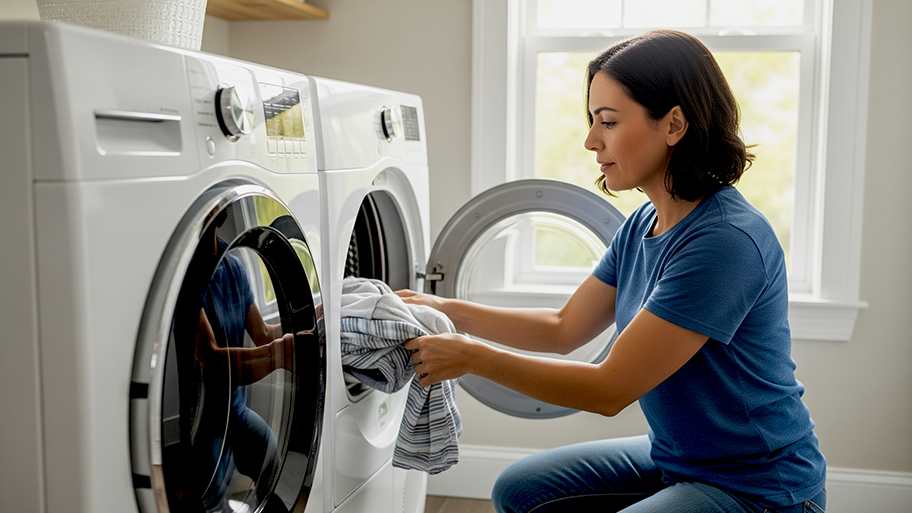
Replacing a dryer belt costs more than just the part unless you can DIY it. The labor cost can easily surpass 90% of the product cost, so if you are handy with tools, try it yourself first.
Appliance repair costs depend on your project and location. Check with a local pro for your specific job.

Dryer repair costs range from $10 to $550 depending on your specific issue and parts needed.
Your dryer's age and the specific issue affect your total, with heating problems and motor failures costing more than switch replacements.
Don't forget to account for your dryer vent repair costs between $150 and $300 in your budget.
Hiring a local dryer repair professional prevents fire hazards from electrical issues and ensures your appliance functions safely for your household.
In 2026, the national average cost for dryer repair is $180. Most homeowners pay between $100 and $430, with your dryer's age, the specific issue, and necessary parts being the primary cost drivers. Budget an additional $150 to $300 if your dryer vent also needs attention.

Dryer repair costs fall into two categories: parts and labor. Because dryers work by using a temperature-controlled heating element to pump air into a spinning drum, many DIYers find them a manageable project to tackle. The most common approach is to diagnose the problem first, then source and swap the defective part. Before buying any replacement parts, confirm the exact issue so you don't spend money on components you don't need.
The first step in dryer repair is determining the type of problem. While gas-powered dryers exist, this article focuses on electric dryers, as the vast majority of homes use them. Identifying the symptom—whether the dryer won't heat, won't spin, or makes loud noises—helps narrow down the likely cause before you call a technician or order parts.
The table below breaks down common dryer problems, their average repair costs, and common causes:
| Type of Dryer Problem | Average Repair Cost in 2026 | Common Causes |
|---|---|---|
| Not heating | $80–$420 | Bad heating element, thermostat, or blown thermal fuse |
| Not spinning | $30–$250 | Broken drive belt, motor malfunction, worn drum rollers |
| Won’t turn on | $15–$300 | Bad door switch, start switch, or control board |
| Shuts off quickly | $25–$300 | Overheating caused by a clogged vent or a bad thermostat |
| Overheating | $90–$320 | Clogged vent, malfunctioning thermostat |
| Loud noises | $10–$450 | Faulty drum bearing, loose belt, broken motor, or loose screws |
| Sparks or smells | $400–$600 | Malfunctioning electrics, requires total replacement |

Based on the dryer issue, you'll likely need to replace a part, and swapping it out is almost always more cost-effective than attempting to repair it. Most parts can be replaced in under an hour, depending on your skill level. The key challenge is diagnosing the correct problem so you don't end up purchasing and installing a component you don't need.
The table below shows average costs for the most common dryer replacement parts:
| Dryer Part | Average Cost in 2026 |
|---|---|
| Thermostat | $15–$60 |
| Cycling thermostat | $15–$60 |
| Thermal fuse | $5–$18 |
| Drive belt | $14–$32 |
| Motor | $60–$150 |
| Door switch | $8–$30 |
| Start switch | $5–$40 |
| Control board | $90–$280 |
| Drum rollers | $20–$55 |
| Lint filter | $10–$35 |
| Drum bearings | $20–$60 |
Dryer repair labor often starts with a service call fee ($50 to $80) just to visit your home, plus an hourly rate of $50 to $100. Some technicians also charge a separate diagnostic fee on top of those costs. Because labor can easily account for 90% or more of the total repair bill, simple fixes like replacing a dryer belt are often worth doing yourself. If you're comfortable with basic repairs, sourcing and swapping parts on your own is one of the most effective ways to keep costs down.
Dryer ventilation repairs cost between $75 to $150 for a professional to fix a damaged vent, with the primary cost factor being whether your existing vent can be salvaged or must be fully replaced. Most homes connect the dryer to an exterior exhaust vent via a tube, while others use an internal system that requires professional service. If the vent can't be repaired, replacing a dryer vent costs between $100 and $300. Homeowners with internal ventilation systems cannot make adjustments themselves and will always need professional help.
Dryer repairs are a rather common expense. Even though dryers' lifespan is 10 to 13 years on average, they might require repairs several times throughout their life, especially if they get heavy use. Based on the responses of 20,600 Angi customers, over 20% of homeowners who request service for washer or dryer repair have an appliance that doesn't run at all. Additionally, 8% of homeowners who request service say their dryer doesn't get hot enough.
You can diagnose dryer issues yourself if you’d like to learn a new skill and save some money. As we’ve mentioned, labor usually comprises 90% of a dryer repair costs, so sourcing and swapping defective parts yourself can significantly lower the average cost of a dryer repair.
The one caveat is electrical issues. When wiring isn’t installed correctly, you must hire a pro or replace the unit entirely. You don’t want to risk damage to your house or occupants due to a preventable fire. In that case, call a dryer repair specialist near you before attempting any fixes yourself.
If you want peace of mind and a properly functioning appliance, a professional offers clear advantages:
Accurate diagnosis of complex issues like faulty thermostats, heating elements, or control boards
Safe handling of electrical wiring and high-voltage components that pose shock or fire risks
Access to specialized tools and genuine replacement parts that are not always available to homeowners
Faster turnaround and warranty-backed repairs that lessen the chance of repeat breakdowns
Knowledge of manufacturer specifications and recall notices that DIY fixes may overlook
For homeowners comfortable with small fixes, some basic tasks are achievable without a technician:
Clean lint traps, ducts, and vents to improve airflow and efficiency
Replace simple parts like knobs, belts, or fuses with proper guidance
Check and reset circuit breakers or fuses if the dryer has lost power
Test and replace easily accessible components like door switches or sensors (with proper instructions)
When it comes to appliances, you have to consider the extent of the issue. If it is minor problems or something that simply requires maintenance, then it might be more cost-effective to do a repair. If the failure is a major component of the appliance, then it will likely be easier and more affordable in the long run to just replace it and get peace of mind.
The best way to save money while repairing a dryer is to do the work yourself. This will significantly lower the total repair cost, but there are some other ways to shrink the bottom line, which are:
Use discount codes where available.
Borrow tools.
Buy parts online instead of in-store.
Harness online DIY video tutorials.
Maintain your machine regularly.
Consider replacing a problematic unit with one on sale, or a lightly used one.
Ask the technician to explain the root cause of the issue, e.g., heating element, motor, or control board.
Confirm if they use manufacturer-approved replacement parts and whether those parts come with a warranty.
Discuss the estimated repair timeline, costs, and whether repair is more economical than replacement.
Request advice on preventive maintenance, such as vent-cleaning schedules or electrical checks, to extend the dryer’s lifespan.
Positive experience. As previously stated, the replacement/repair could not be completed (no fault of the plumbing tech) b/c misinformation was rec?d by property management maintenance. Thanks to the plumbing tech for your efforts. Appreciate you!
 The Waterworks
Carpet repair done well. Scheduling was easy. Showed up on time.
 BR Flooring Installation
As usual with ECO, tech Jordan was outstanding, very professional, very knowledgeable, and very thorough with repairs made to tankless water heaters. Very highly recommend ECO!!!
 Eco Plumbers, Electricians, and HVAC Technicians
I would recommend this company to anyone! He showed up on time, was friendly, completed a very difficult repair on our dryer vent cover, was responsive, and pricing was extremely fair and competitive. I would have him back to do any of our repairs or cleanings without hesitation!
 U.S.A. Dryer Vent, LLC
Everything from initial contact to completion was absolutely top notch. We contacted the business during off hours to leave a message, and the owner still reached out to feel out the issue within minutes. We were scheduled and repaired within 48 hours. I cannot say enough about the...
 Supreme brick & chimney
Ace Fireplace Services came to the rescue for my chimney repair. They were quick to pinpoint the issue and worked their magic to fix it. My chimney is now in excellent shape, and I'm a satisfied customer.
 Ace Fireplace Services
On Sunday 2/26 I requested quotes via Angi from 4 refrigerator repair businesses. Northwest Appliance responded to me Monday morning (2/27) and my refrigerator was repaired by noon the same day. Great communication, they did everything they said they would. The technician had the parts on...
Excellent! We were very satisfied with the service provided and the entire experience from start to finish. Very friendly and professional staff. I was able to instantly get in contact with them for a quote and the response time and overall communication remained quick and easy throughout the...
 Prime Cleaning Service
Description says they handle window repair including rotten hardwood - they called me back right away but didnâ t leave a voicemail. I followed up 3 days later and they said they donâ t do that kind of work.
 Window-Gurus
I needed reliable, affordable help the day of with moving a couple of appliances and misc items. It was a relief to hear back from Tanzillo almost instantly that morning so I could stop looking and move on to plan and prepare. Every part of the move was friendly and professional. Next time I...
 Tanzillo Concrete & Landscape
From average costs to expert advice, get all the answers you need to get your job done.
Replacing a dryer belt costs more than just the part unless you can DIY it. The labor cost can easily surpass 90% of the product cost, so if you are handy with tools, try it yourself first.
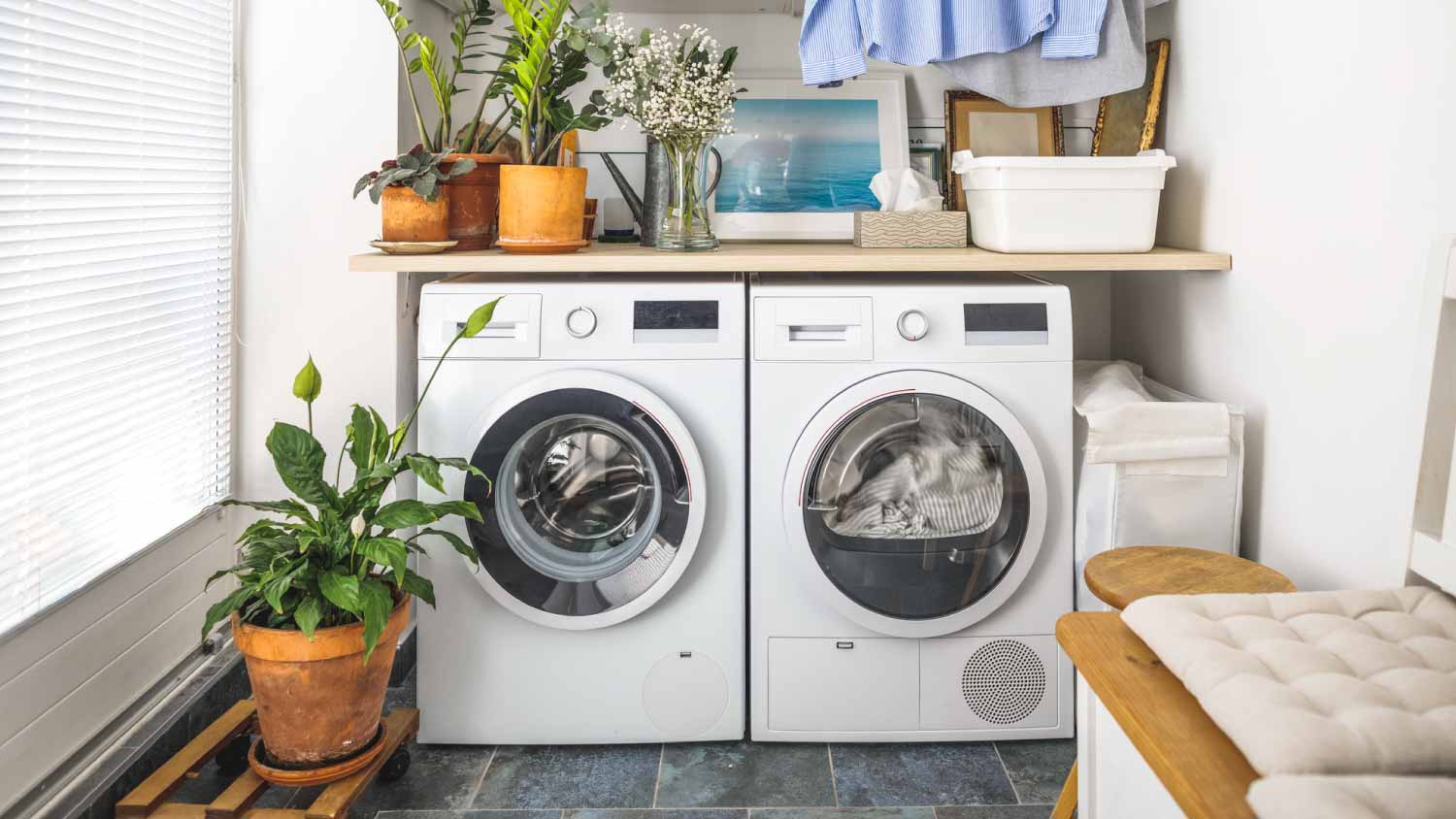
Depending on repair needs and machine age and type, the cost to replace a heating element in a dryer can vary. Learn the average repair costs.

Installing a gas dryer can help you save on your monthly energy bills. Depending on whether you need a new gas line, gas dryer installation costs will vary greatly.
Learn how to hire a qualified dryer installation or repair pro. Find tips on vetting technicians, questions to ask, and what to expect from the hiring process.
This dryer maintenance checklist will help you keep your appliance in good condition with monthly, seasonal, and annual tasks and cleanup.

Who fixes dryers if yours isn’t working? A dryer repair company is a good place to start, but you have some options, including an electrician.