
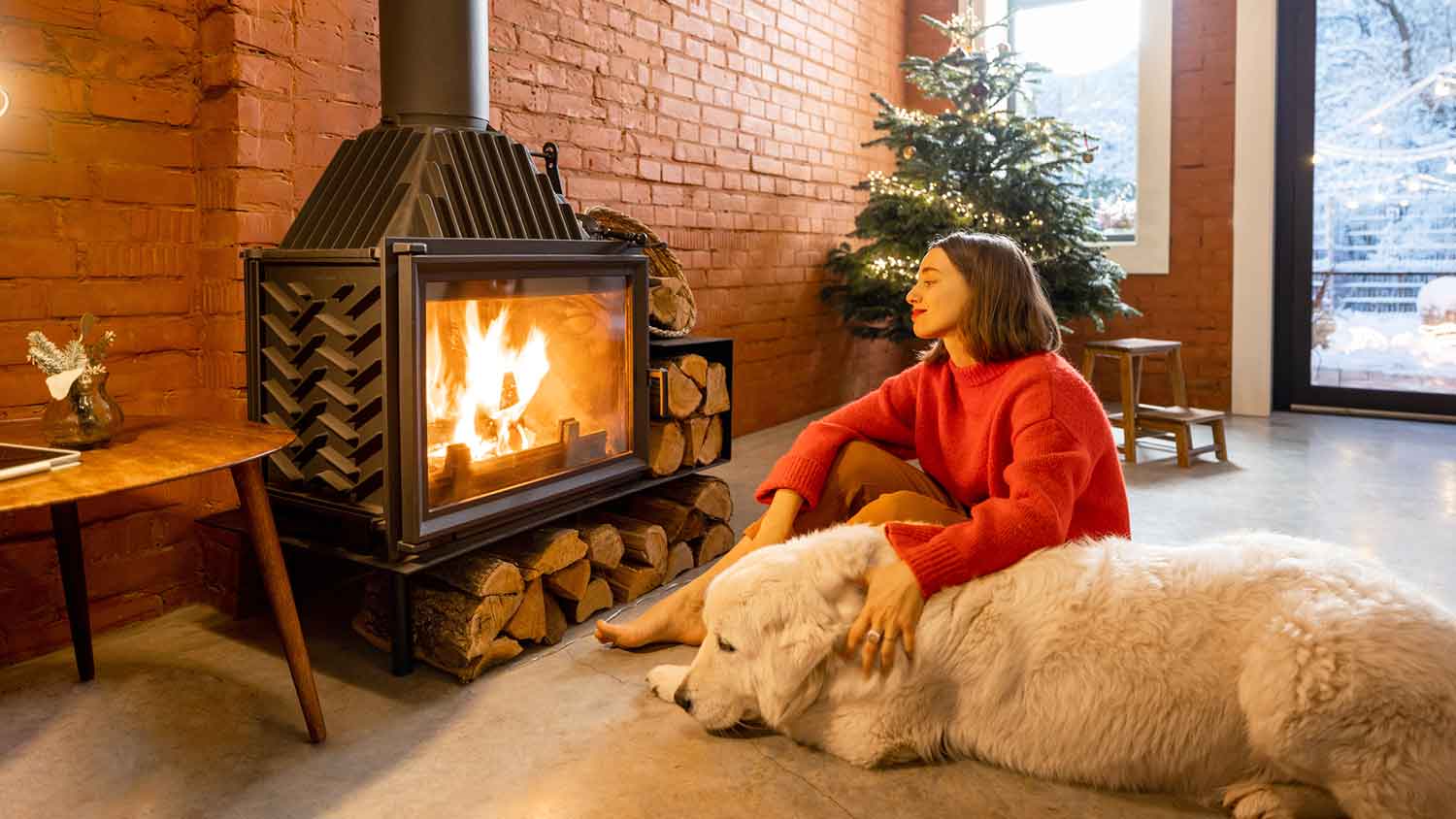
A wood stove can add warmth and ambiance to your home, but is it in your budget? Discover average wood-burning stove installation costs in this guide.
Learn your baffles from your dampers

Your wood stove parts work together to ignite wood, control heat output, and vent smoke safely through the firebox, baffle, air controls, and exhaust pipe.
Wood stove repairs cost $180 to $980, while chimney flue work ranges from $200 to $5,000, so addressing issues early helps avoid higher costs.
Clean your firebox monthly and empty the ash pan at least twice weekly to keep your wood burner working efficiently and safely between uses.
Hiring a local wood stove company provides reliable support for annual flue cleanings, part replacements, and repairs that keep your home warm and safe.
Wood-burning stoves, or wood stoves, work like a fireplace to make your home warm and cozy in the winter months. But wood stoves need frequent cleanings and maintenance to burn wood cleanly, vent smoke properly, and keep your home warm and safe. To keep your unit in tip-top shape, brush up on all the wood stove parts and how they work.

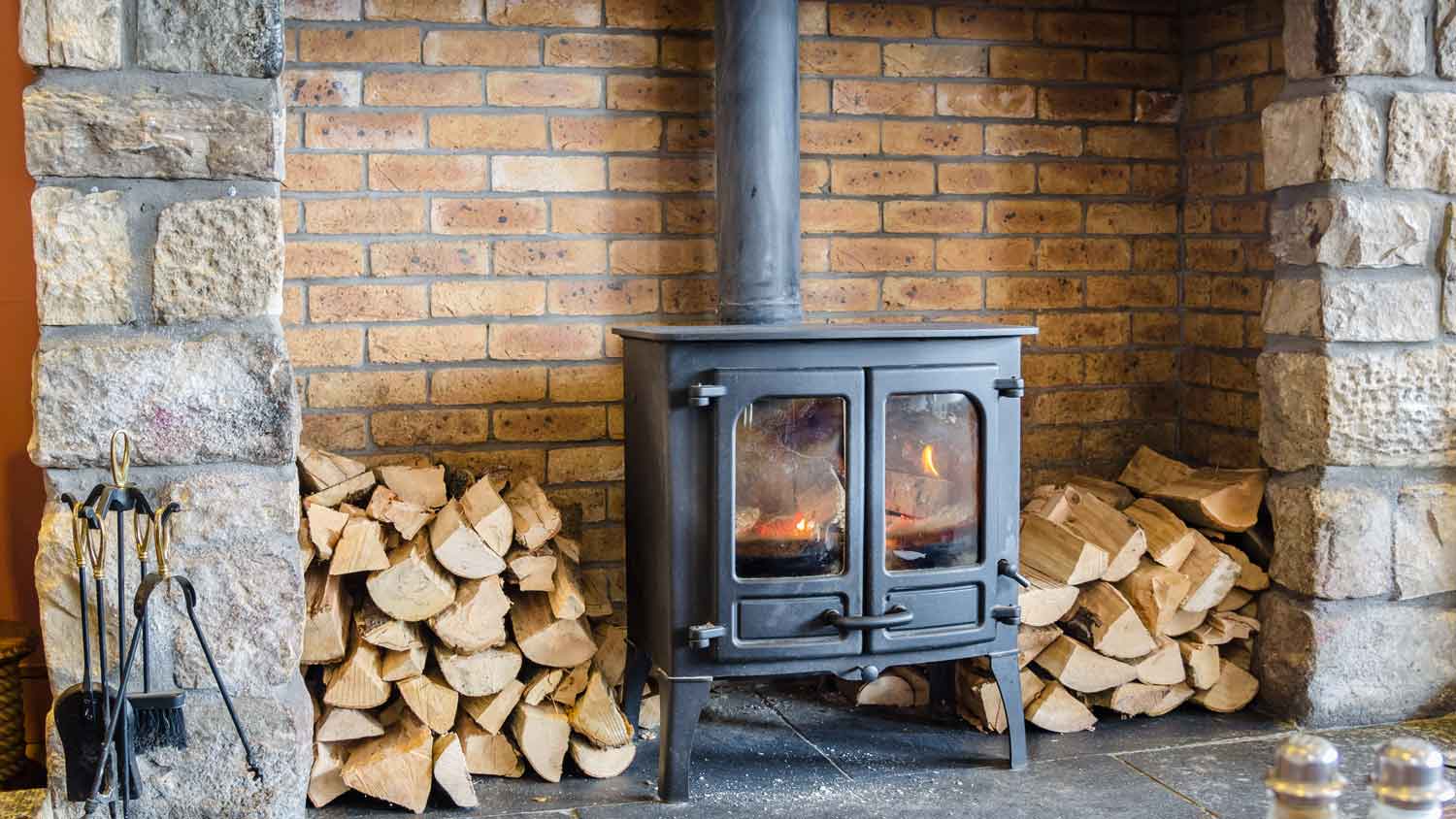
Have you ever watched the flames dance inside your wood stove and wondered how a wood-burning stove works? As it turns out, there are several different parts of a wood stove that work together to ignite the wood, fuel the flames for ongoing heat, and vent the residual smoke. Here are some common wood stove parts you should know and how they work together.

As its name implies, the firebox is the main box area where flames are produced. The firebox is lined with bricks to contain the fire. However, your unit may also be lined with refractory cement, steel, or cast iron. This is where you’ll add more wood when it’s time to start a new fire or rekindle a dwindling flame.

The load door is the front door panel to the firebox. It has a handle, which is often heatproof. If your unit’s load door handle isn’t heatproof, make sure to keep heatproof gloves nearby for rekindling or extinguishing flames. The load door is attached with hinges and features a tightly sealing gasket around the perimeter. The front of the load door is transparent, allowing you to enjoy the cozy view of the fire.
The baffle, located along the top of the firebox, is a type of plate that controls the gas flow inside the wood stove. The baffle can keep gases inside the firebox for longer to allow the fire to maintain its warmth.
If you have an older wood stove, it may have a damper. Like a baffle, the damper is a type of plate designed to help control the flow of gases. The damper is at the top of the wood stove toward the bottom of your exhaust pipe. Opening the damper allows gases in to help with combustion, but once the fire is roaring, remember to close the damper.
Don’t confuse your stove damper with your flue (or chimney) damper. While a fire is running, your chimney damper should always be open so that ash and soot don’t puff back into your home.
If you want to crank up the heat or tone it down, you’ll need to know where to locate one of the most important wood stove parts: the air vent control. This control, which may be at the bottom or toward the top of the firebox exterior, is a switch, dial, lever, or handle that you can adjust to control the airflow. This helps you have more control over combustion and dials in the heat to your preferred temperature.

Not all wood stoves have an air wash, but many newer models have this part to keep the glass panel on the front of the load door clean. The air wash, located at the top or bottom of the firebox, can open for combustion. This prevents the combustion gases from condensing, which would otherwise leave behind smoky, black residue on the glass door panel.
Newer stoves use a catalytic combustor to make your wood-burning stove work more efficiently. This part is located inside the exhaust pipe and uses a coating, often platinum or palladium, to lower the temperature needed to ignite the smoke passing through. This not only makes the heating process more efficient, but it can also lower the amount of air pollution the wood stove generates.

The flue collar is where your wood stove connects to the exhaust pipe. This round stove part sits at the base of the exhaust pipe where it connects to the stove.

The exhaust pipe, also referred to as the stove pipe, is the pipe that connects from the firebox to the chimney. Combustion gases from the firebox travel from the firebox to the flue collar and up through the exhaust pipe until they are safely ventilated outdoors. If you need to move a wood stove, it’s important to know where the exhaust pipe is for dismantling.

Some wood stoves may have a blower fan. This part, often located at the top of the wood stove, uses electricity and helps direct smoke generated in the firebox to the exhaust pipe. It may have a cage installed around it to help keep out larger debris and pests. Because it is an electrical element, it needs regular inspections and thorough cleanings at least once per year to perform optimally.
Some wood stoves may include an ash pan, where ash can collect for easier cleanup. If your wood stove has an ash pan, there’s a pull-out drawer or panel near the bottom of the firebox for easy access. Cleaning the ash pan between burns is an important part of wood stove maintenance that helps each fire ignite and burn more efficiently.
When smoke residue and ash build up in a wood stove, it means the wood stove parts won’t work as efficiently. This can make it harder and more time-consuming to light the wood stove, and if soot builds up in the exhaust pipe, it can ignite and cause a fire where you don’t want one.
To operate a wood stove efficiently and safely, clean out the firebox once per month. Be sure to clear out ash from the ash pan or bottom of the stove at least a couple of times per week, if not each time you use the wood stove. You can also tap a pro, such as someone who installs wood-burning stoves, to clean the flue at least once or twice per year.
Wood-burning stove repairs cost $180 to $980, depending on which wood stove parts need repairs. For instance, repairing a firebox costs $160 to $750, while chimney flue repairs or replacements range from $200 to $5,000. Installing a whole new wood-burning stove costs $3,000 to $5,000.
For wood stove repairs, hiring a local wood stove company is the best option. In fact, you shouldn't DIY wood stove repairs or part replacements because even a small mistake could pose a major risk of house fires or combustion gases, like carbon monoxide, leaking into your home. If you’re looking to save money, you can handle firebox cleanings yourself, but you should always leave annual inspections, flue cleanings, and part repairs or replacements to the licensed, trained pros.
Positive experience. As previously stated, the replacement/repair could not be completed (no fault of the plumbing tech) b/c misinformation was rec?d by property management maintenance. Thanks to the plumbing tech for your efforts. Appreciate you!
 The Waterworks
Carpet repair done well. Scheduling was easy. Showed up on time.
 BR Flooring Installation
As usual with ECO, tech Jordan was outstanding, very professional, very knowledgeable, and very thorough with repairs made to tankless water heaters. Very highly recommend ECO!!!
 Eco Plumbers, Electricians, and HVAC Technicians
I would recommend this company to anyone! He showed up on time, was friendly, completed a very difficult repair on our dryer vent cover, was responsive, and pricing was extremely fair and competitive. I would have him back to do any of our repairs or cleanings without hesitation!
 U.S.A. Dryer Vent, LLC
Everything from initial contact to completion was absolutely top notch. We contacted the business during off hours to leave a message, and the owner still reached out to feel out the issue within minutes. We were scheduled and repaired within 48 hours. I cannot say enough about the...
 Supreme brick & chimney
Ace Fireplace Services came to the rescue for my chimney repair. They were quick to pinpoint the issue and worked their magic to fix it. My chimney is now in excellent shape, and I'm a satisfied customer.
 Ace Fireplace Services
On Sunday 2/26 I requested quotes via Angi from 4 refrigerator repair businesses. Northwest Appliance responded to me Monday morning (2/27) and my refrigerator was repaired by noon the same day. Great communication, they did everything they said they would. The technician had the parts on...
Excellent! We were very satisfied with the service provided and the entire experience from start to finish. Very friendly and professional staff. I was able to instantly get in contact with them for a quote and the response time and overall communication remained quick and easy throughout the...
 Prime Cleaning Service
Description says they handle window repair including rotten hardwood - they called me back right away but didnâ t leave a voicemail. I followed up 3 days later and they said they donâ t do that kind of work.
 Window-Gurus
I needed reliable, affordable help the day of with moving a couple of appliances and misc items. It was a relief to hear back from Tanzillo almost instantly that morning so I could stop looking and move on to plan and prepare. Every part of the move was friendly and professional. Next time I...
 Tanzillo Concrete & Landscape
From average costs to expert advice, get all the answers you need to get your job done.
A wood stove can add warmth and ambiance to your home, but is it in your budget? Discover average wood-burning stove installation costs in this guide.
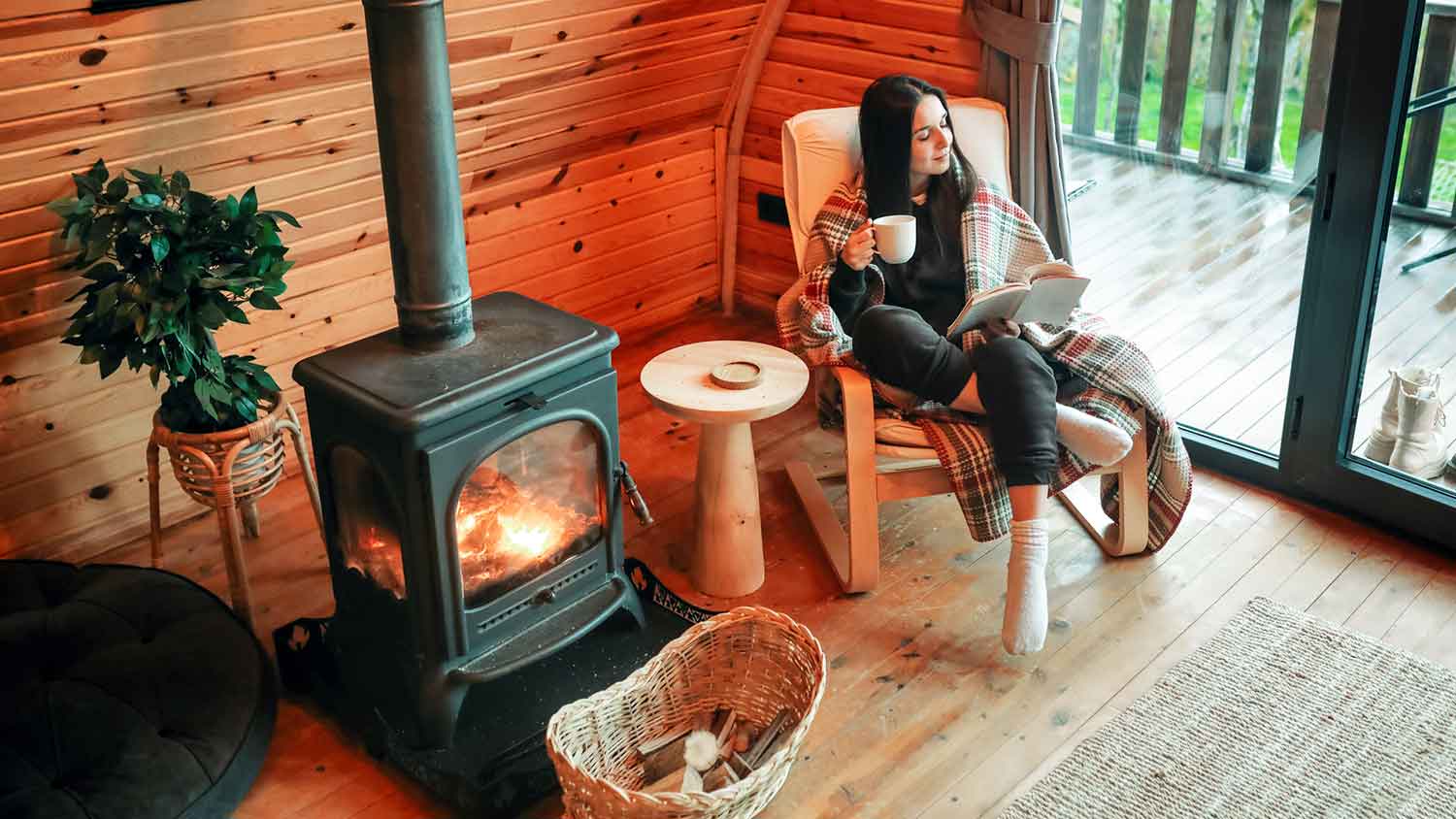
It may seem like there are a zillion types of wood stoves—but there are really two main categories (and other decisions to make from there). Learn more here.
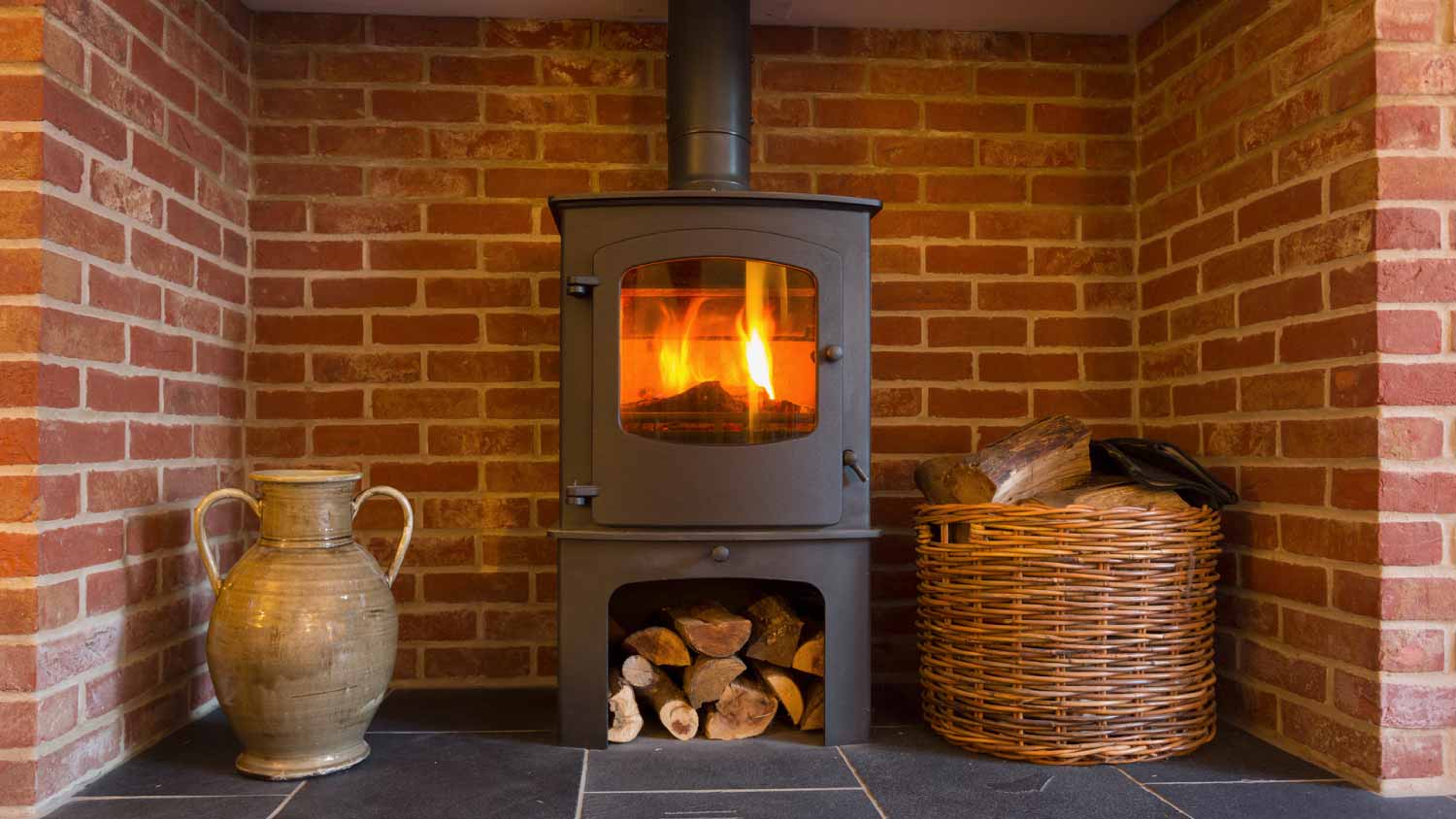
Who installs wood-burning stoves? You'll need a local wood stove company to help you out since this is too dangerous to DIY. Here's how to find one.
Have you ever wondered how a wood-burning stove works to heat your home? Learn all the wood stove basics with this guide.

Understand the parts of an electric stove and a gas stove, what they do, and how to properly clean and maintain them to make your stoves last longer.
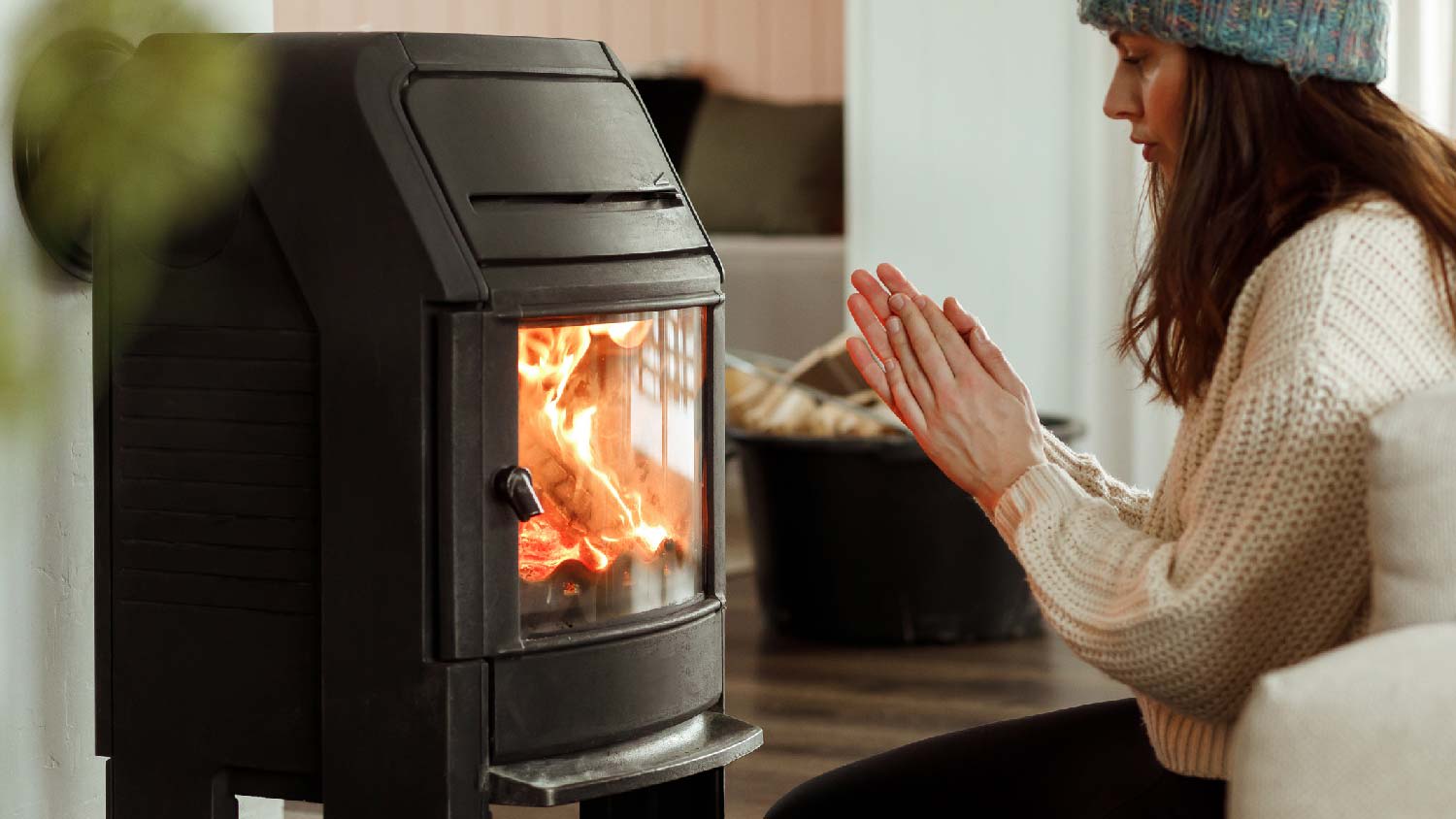
Looking for the best home heating option that doesn’t require electricity? Check out the pros and cons of cast iron versus steel wood stoves.