

The cost to replace cast iron pipes depends on many factors, like size and accessibility. Use this guide to get a rough idea of how much you’ll spend.
Fix your toilet’s almost-empty bowl with a few simple solutions



The most common issue is a lack of water coming from your tank.
Most solutions to low water in the toilet bowl are quick and affordable.
You may need professional help if a clog is your underlying issue.
Another cause of low water in a toilet bowl is clogged inlet holes. Also known as rim jets, these holes can be found just under the rim of your toilet. Depending on the type of toilet and the quality of your tap water, the water draining from the tank into the bowl can calcify and become plugged.
The best way to fix a clogged inlet hole is to carefully add hot vinegar to the tank via the overflow tube. You’ll want to let the vinegar soak for a couple of hours to help dissolve calcium deposits.
Simply use a toothbrush to scrub away the deposits or, if they’re compacted, poke a small wire inside the holes to clear them out. Then, flush the toilet to see if this trick did the job. If you suspect that this is the reason for your low water level but the solution did not work, call a plumber near you to further investigate.
Plumbing vents, also known as sewer vent pipes, allow sewer gases and oxygen to flow out and into the waste pipes, respectively. If your plumbing vent pipe is blocked, then the pipes will search for another outlet within your home to access air. When this occurs, toilets make loud, gurgling sounds as the vent pipe siphons both water and air.
A blocked vent pipe often occurs on the roof of the house, where the vent is typically located. Anything from bird nests to leaves can obscure the ventilation, leading to a blockage. Sometimes, even windy days affect the water levels of your toilet because of the vent system.
You need to clear the debris in order to allow the air to flow freely within the ventilation system. To prevent animals and plants from blocking the airflow in the future, you might also want to invest in a vent cover. Before pulling out the ladder, call in a toilet pro near you to confirm that this is the actual problem—you might save yourself some time and hassle.
Lastly, if you notice a crack in your toilet bowl, trap, or any associated pipes, then you need to replace them. Find a toilet repair pro near you to install or repair the broken parts. Depending on the extent of the problem, you may also want to file an insurance claim for water damage that results from the broken pipe, and it’s not a bad idea to check for mold in the affected area.
Remember: While most small toilet issues are somewhat easy to resolve without a professional if your DIY repairs don’t do the job, then you’ll need to check with a professional and factor in the cost to repair your toilet.

Another cause of low water in a toilet bowl is clogged inlet holes. Also known as rim jets, these holes can be found just under the rim of your toilet. Depending on the type of toilet and the quality of your tap water, the water draining from the tank into the bowl can calcify and become plugged.
The best way to fix a clogged inlet hole is to carefully add hot vinegar to the tank via the overflow tube. You’ll want to let the vinegar soak for a couple of hours to help dissolve calcium deposits.
Simply use a toothbrush to scrub away the deposits or, if they’re compacted, poke a small wire inside the holes to clear them out. Then, flush the toilet to see if this trick did the job. If you suspect that this is the reason for your low water level but the solution did not work, call a plumber near you to further investigate.
Plumbing vents, also known as sewer vent pipes, allow sewer gases and oxygen to flow out and into the waste pipes, respectively. If your plumbing vent pipe is blocked, then the pipes will search for another outlet within your home to access air. When this occurs, toilets make loud, gurgling sounds as the vent pipe siphons both water and air.
A blocked vent pipe often occurs on the roof of the house, where the vent is typically located. Anything from bird nests to leaves can obscure the ventilation, leading to a blockage. Sometimes, even windy days affect the water levels of your toilet because of the vent system.
You need to clear the debris in order to allow the air to flow freely within the ventilation system. To prevent animals and plants from blocking the airflow in the future, you might also want to invest in a vent cover. Before pulling out the ladder, call in a toilet pro near you to confirm that this is the actual problem—you might save yourself some time and hassle.
Lastly, if you notice a crack in your toilet bowl, trap, or any associated pipes, then you need to replace them. Find a toilet repair pro near you to install or repair the broken parts. Depending on the extent of the problem, you may also want to file an insurance claim for water damage that results from the broken pipe, and it’s not a bad idea to check for mold in the affected area.
Remember: While most small toilet issues are somewhat easy to resolve without a professional if your DIY repairs don’t do the job, then you’ll need to check with a professional and factor in the cost to repair your toilet.
Another cause of low water in a toilet bowl is clogged inlet holes. Also known as rim jets, these holes can be found just under the rim of your toilet. Depending on the type of toilet and the quality of your tap water, the water draining from the tank into the bowl can calcify and become plugged.
The best way to fix a clogged inlet hole is to carefully add hot vinegar to the tank via the overflow tube. You’ll want to let the vinegar soak for a couple of hours to help dissolve calcium deposits.
Simply use a toothbrush to scrub away the deposits or, if they’re compacted, poke a small wire inside the holes to clear them out. Then, flush the toilet to see if this trick did the job. If you suspect that this is the reason for your low water level but the solution did not work, call a plumber near you to further investigate.
Plumbing vents, also known as sewer vent pipes, allow sewer gases and oxygen to flow out and into the waste pipes, respectively. If your plumbing vent pipe is blocked, then the pipes will search for another outlet within your home to access air. When this occurs, toilets make loud, gurgling sounds as the vent pipe siphons both water and air.
A blocked vent pipe often occurs on the roof of the house, where the vent is typically located. Anything from bird nests to leaves can obscure the ventilation, leading to a blockage. Sometimes, even windy days affect the water levels of your toilet because of the vent system.
You need to clear the debris in order to allow the air to flow freely within the ventilation system. To prevent animals and plants from blocking the airflow in the future, you might also want to invest in a vent cover. Before pulling out the ladder, call in a toilet pro near you to confirm that this is the actual problem—you might save yourself some time and hassle.
Lastly, if you notice a crack in your toilet bowl, trap, or any associated pipes, then you need to replace them. Find a toilet repair pro near you to install or repair the broken parts. Depending on the extent of the problem, you may also want to file an insurance claim for water damage that results from the broken pipe, and it’s not a bad idea to check for mold in the affected area.
Remember: While most small toilet issues are somewhat easy to resolve without a professional if your DIY repairs don’t do the job, then you’ll need to check with a professional and factor in the cost to repair your toilet.

Another cause of low water in a toilet bowl is clogged inlet holes. Also known as rim jets, these holes can be found just under the rim of your toilet. Depending on the type of toilet and the quality of your tap water, the water draining from the tank into the bowl can calcify and become plugged.
The best way to fix a clogged inlet hole is to carefully add hot vinegar to the tank via the overflow tube. You’ll want to let the vinegar soak for a couple of hours to help dissolve calcium deposits.
Simply use a toothbrush to scrub away the deposits or, if they’re compacted, poke a small wire inside the holes to clear them out. Then, flush the toilet to see if this trick did the job. If you suspect that this is the reason for your low water level but the solution did not work, call a plumber near you to further investigate.
Plumbing vents, also known as sewer vent pipes, allow sewer gases and oxygen to flow out and into the waste pipes, respectively. If your plumbing vent pipe is blocked, then the pipes will search for another outlet within your home to access air. When this occurs, toilets make loud, gurgling sounds as the vent pipe siphons both water and air.
A blocked vent pipe often occurs on the roof of the house, where the vent is typically located. Anything from bird nests to leaves can obscure the ventilation, leading to a blockage. Sometimes, even windy days affect the water levels of your toilet because of the vent system.
You need to clear the debris in order to allow the air to flow freely within the ventilation system. To prevent animals and plants from blocking the airflow in the future, you might also want to invest in a vent cover. Before pulling out the ladder, call in a toilet pro near you to confirm that this is the actual problem—you might save yourself some time and hassle.
Lastly, if you notice a crack in your toilet bowl, trap, or any associated pipes, then you need to replace them. Find a toilet repair pro near you to install or repair the broken parts. Depending on the extent of the problem, you may also want to file an insurance claim for water damage that results from the broken pipe, and it’s not a bad idea to check for mold in the affected area.
Remember: While most small toilet issues are somewhat easy to resolve without a professional if your DIY repairs don’t do the job, then you’ll need to check with a professional and factor in the cost to repair your toilet.
As a plumber myself, my personal recommendation for clearing a clogged toilet is to skip all other steps and go straight for the closet auger (toilet snake). It is important to learn how to use it properly but it’s a lot harder to cause a leak by improperly using a closet auger than it is with a misused plunger.
Another cause of low water in a toilet bowl is clogged inlet holes. Also known as rim jets, these holes can be found just under the rim of your toilet. Depending on the type of toilet and the quality of your tap water, the water draining from the tank into the bowl can calcify and become plugged.
The best way to fix a clogged inlet hole is to carefully add hot vinegar to the tank via the overflow tube. You’ll want to let the vinegar soak for a couple of hours to help dissolve calcium deposits.
Simply use a toothbrush to scrub away the deposits or, if they’re compacted, poke a small wire inside the holes to clear them out. Then, flush the toilet to see if this trick did the job. If you suspect that this is the reason for your low water level but the solution did not work, call a plumber near you to further investigate.
Plumbing vents, also known as sewer vent pipes, allow sewer gases and oxygen to flow out and into the waste pipes, respectively. If your plumbing vent pipe is blocked, then the pipes will search for another outlet within your home to access air. When this occurs, toilets make loud, gurgling sounds as the vent pipe siphons both water and air.
A blocked vent pipe often occurs on the roof of the house, where the vent is typically located. Anything from bird nests to leaves can obscure the ventilation, leading to a blockage. Sometimes, even windy days affect the water levels of your toilet because of the vent system.
You need to clear the debris in order to allow the air to flow freely within the ventilation system. To prevent animals and plants from blocking the airflow in the future, you might also want to invest in a vent cover. Before pulling out the ladder, call in a toilet pro near you to confirm that this is the actual problem—you might save yourself some time and hassle.
Lastly, if you notice a crack in your toilet bowl, trap, or any associated pipes, then you need to replace them. Find a toilet repair pro near you to install or repair the broken parts. Depending on the extent of the problem, you may also want to file an insurance claim for water damage that results from the broken pipe, and it’s not a bad idea to check for mold in the affected area.
Remember: While most small toilet issues are somewhat easy to resolve without a professional if your DIY repairs don’t do the job, then you’ll need to check with a professional and factor in the cost to repair your toilet.
From average costs to expert advice, get all the answers you need to get your job done.
The cost to replace cast iron pipes depends on many factors, like size and accessibility. Use this guide to get a rough idea of how much you’ll spend.

Emergency plumbers cost between 1.5 and 3 times as much as a typical plumber. Get specifics for your plumbing issue and city in our guide.

This guide to toilet installation cost covers what you can expect to pay when adding a new toilet to an existing or new bathroom.

Pressure-assist toilets use pressurized air and water to whisk waste away, but you might think twice about purchasing one due to pressure-assist toilet problems.

Learn how to cut PVC pipe with ease and efficiency. Our guide will show you how to tackle your PVC pipe project like a pro.
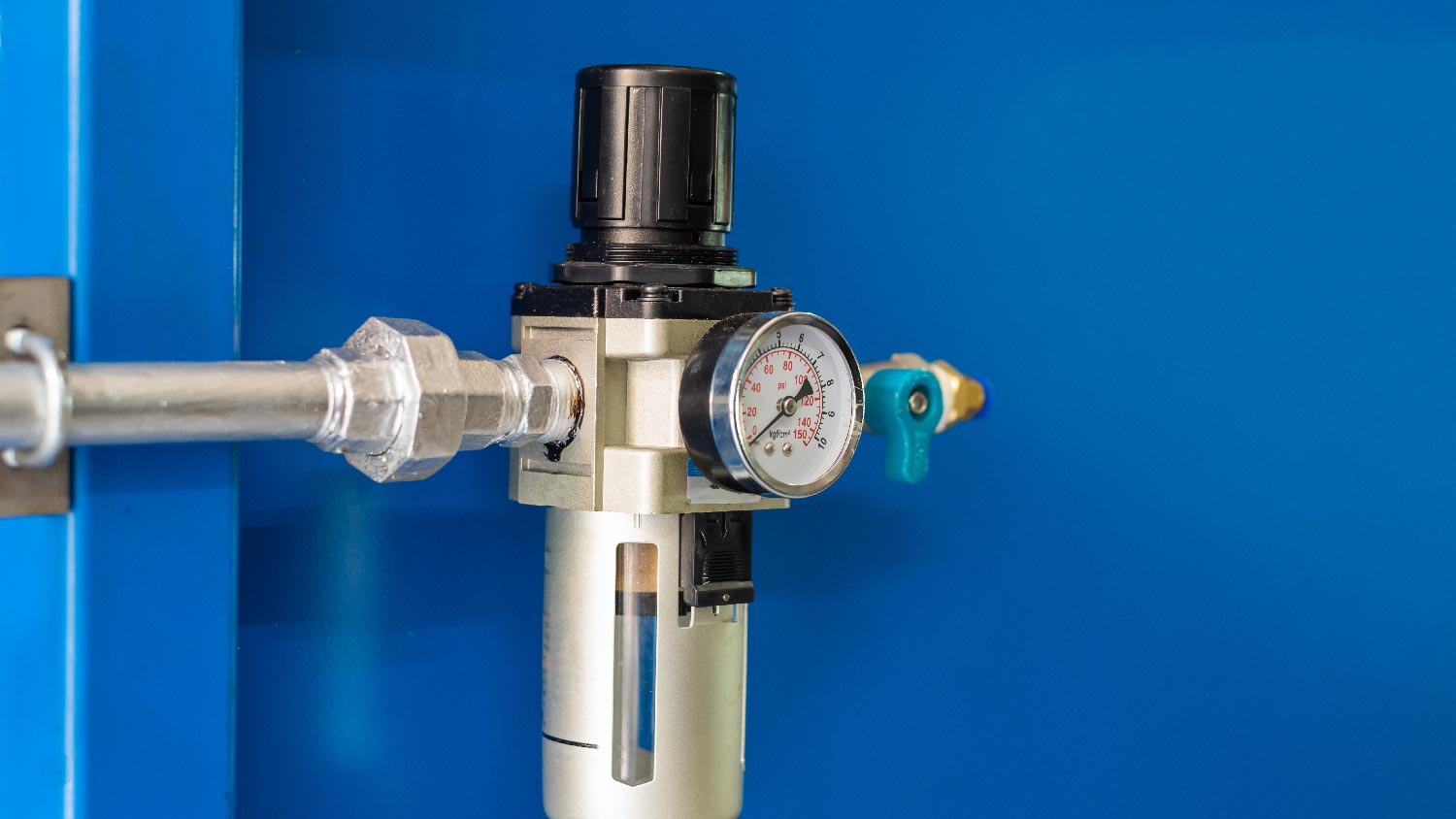
Find out the average water pressure regulator replacement cost, key price factors, and tips to save on your project. Get transparent, expert-backed cost info.