
A water pressure booster can add a lot of volume for a small price. Discover booster pump installation costs and cost factors in this guide.
Know which pro to call for safe, code-compliant well pump installation


A well pump installation contractor sizes your pump correctly and sets it at the proper depth to prevent contamination and ensure safe electrical connections.
Expect to pay $1,900 on average for well pump replacement, with total costs ranging from $200 to $5,800 based on your pump type and well depth.
Your system needs disinfection with chlorine after installation to protect water quality, and pressure switch calibration ensures steady flow throughout your home.
Hiring a local well pump professional brings specialized hoists and wiring expertise to complete safe installations while meeting code requirements and protecting your water supply.
This article was created using automation technology and thoroughly fact-checked and edited by an Angi Editor in accordance with our AI policy.
If you’re asking who to hire for well pump installation, look for a well service company or licensed pump installer. These pros handle pump sizing, placement, wiring, and system testing, and they complete most replacements in half a day to a full day while meeting legal and safety requirements.
Hiring a professional well service company or pump installer keeps your water safe and your system reliable. Pros bring the equipment, training, and know-how to size the pump correctly, set it at the right depth, and complete safe electrical connections. Their work prevents contamination and avoids costly errors, while ensuring compliance with local regulations.
Performs dangerous water- and electricity-related work in accordance with proper safety procedures
Selects the correct pump type, size, and depth for your well
Uses specialized hoists, wiring kits, and waterproof connectors
Prevents contamination through proper handling and well disinfection
Ensures code compliance and digging authorizations are met
Troubleshoots on-site electrical and mechanical issues efficiently
Calibrates pressure switch settings for steady flow
Coordinates with drilling crews or electricians when needed
Delivers long-term savings by avoiding repeat fixes
Protects pump lifespan—about eight to 15 years with maintenance
A plumber is well-suited for shallow-well jet pump installations and for work inside the home. However, plumbers focus on interior plumbing, not down-well equipment, and often lack the specialized tools for deep wells. Importantly, installing or replacing a well pump requires the proper pump installer authorization in some states. For pump installation outside the home, a local well pump pro or licensed pump installer is the safer, more complete choice.
Pros follow a precise, safety-first process to set, wire, and commission your well pump for clean, reliable water.
The crew prepares the site and shuts off power at the main panel to ensure electrical safety.
The team stages specialized tools, pump hoists, wiring kits, splice connectors, and piping for the job.
The installer lowers the submersible pump to several feet above the well bottom to avoid stirring sediment.
The professional connects the water line and completes all electrical wiring to the control box and power supply.
The installer tests the system, adjusts pressure switch settings for steady flow, and inspects for leaks.
The pro disinfects the well with a chlorine solution to protect water quality after installation.
The team conducts final performance checks and provides follow-up support to ensure optimal operation.
The average cost of well pump installation is $1,900. Your total changes based on the pump type and size, the well depth, local labor rates, and any new pipework or wiring. Overall, homeowners spend $200 to $5,800, and labor ranges from $45 to $150 per hour. Prompt replacement also protects water quality and restores steady pressure.
I have used Columbus Worthington Air for years and recommend them whenever I have a chance. The staff is quick, courteous, and well-trained.
 ARS Columbus Worthington Air
This service was great. My air conditioner went out during the heat spell that we had. My husband has health issues and they came out that night and at 9:30pm the air conditioner was fixed and running. We are sooo very thankful, this is the company I will be using from now on and would...
 Mr. Mechanical Ohio
Joseph did a great job with the staircase and trim. Timely and efficient, clear communication about the work, very fair pricing. For the stairs in particular, done very skillfully in an old house (1893) in a tight spiral, and very creative with how to do the handrail. Did a nice job with...
 Vouis Trim Carpentry L.L.C.
Great experience!! Dion was prompt, professional and very polite. He is hands down the best plumber I have ever used.
 Mercenary Remodeling & Handyworks
Cole has been handling plumbing and general contracting for our four properties over the past three years, and he’s always done a great job. Most recently, he installed a sink and countertop in our retail store where none existed before, and it turned out exactly how we needed. He’s...
 ANB Renovations LLC
Matt is a consummate professional. The work turned out to be far more difficult than expected and rather than turn the job down, Matt rose to the occasion and completed a near impossible task. I can not recommend Greene's Plumbing Service more highly. On a scale of 1-5 I would give Matt a...
 Greene's Plumbing Service
The technician was very professional and friendly. He answered all my questions and was very thorough. He left the fireplace area very clean . He inspected from the roof and advised me as to other work that might need to be done. There was no pressure there. I was very satisfied with the...
 Supreme brick & chimney
Custom Paint Jobs LLC pays attention to every detail, ensuring a job well done every time.
 Custom Paint Jobs, LLC
When we had the winter freeze, I called Quantum Waterworks Waterline & Drain Cleaning Services and within 1 hour I received an e-mail and he sent someone out the next day and he was on time, he was nice and did the job quickly and cleaned up after himself. We had a leak in our kitchen from...
 Quantum Waterworks Waterline & Drain Cleaning Services, LLC
From the beginning , every appointment was met with punctuality! The day of installation, they arrived on time and worked tirelessly all day until the job was finished. ( Even through a very heavy down pour) Ilia, the owner is a professional, knowledgeable, and fair man. He is absolutely, and...
 Window Depot USA of Central Ohio
From average costs to expert advice, get all the answers you need to get your job done.
A water pressure booster can add a lot of volume for a small price. Discover booster pump installation costs and cost factors in this guide.
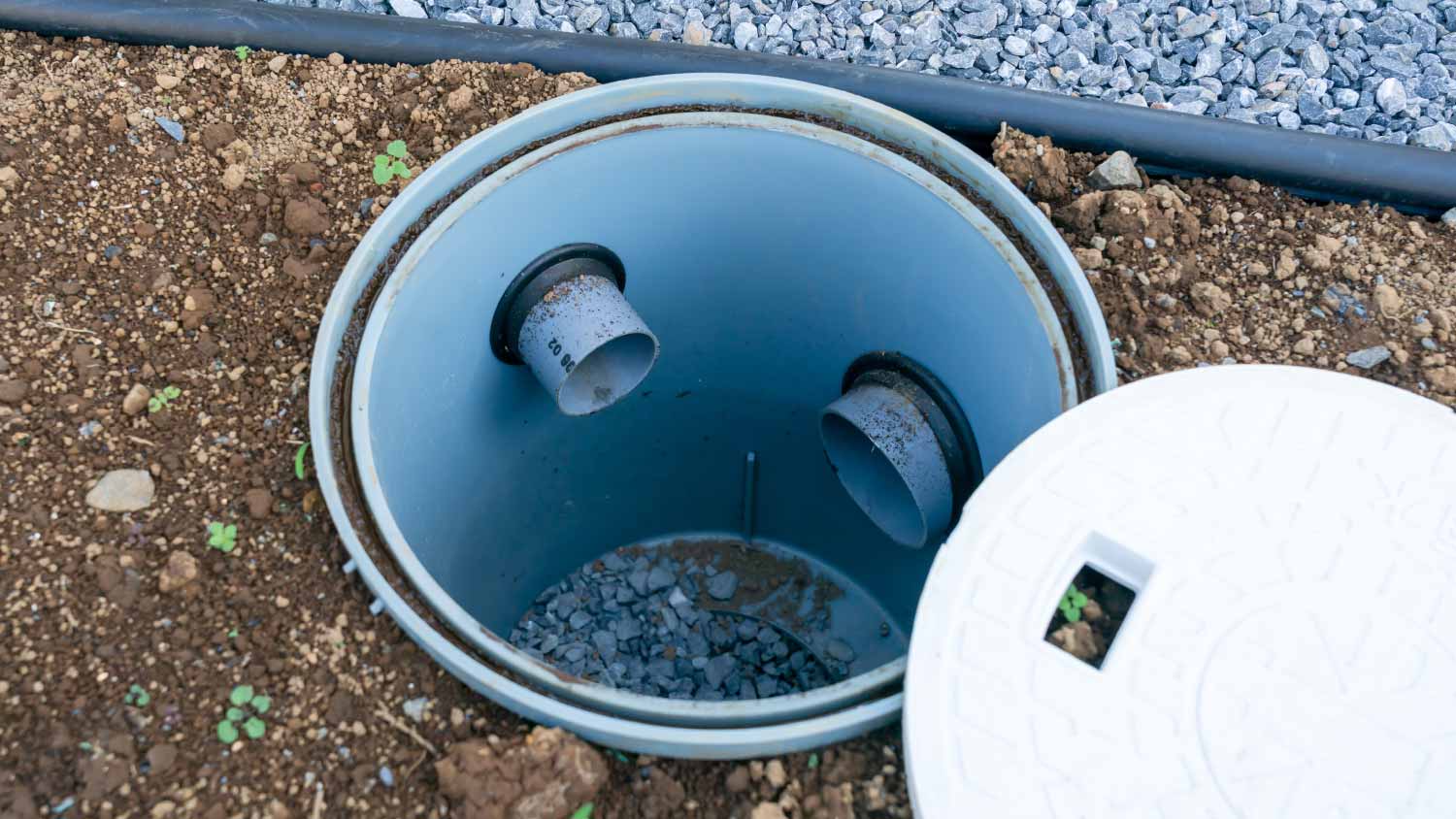
Dry wells are handy for anyone who’s experiencing drainage problems. But dry well installation costs can vary depending on its size, location, and volume.

If you have a well, you might need to replace the well pump to have great-tasting water. Well pump replacement costs depend on your well size and other factors.
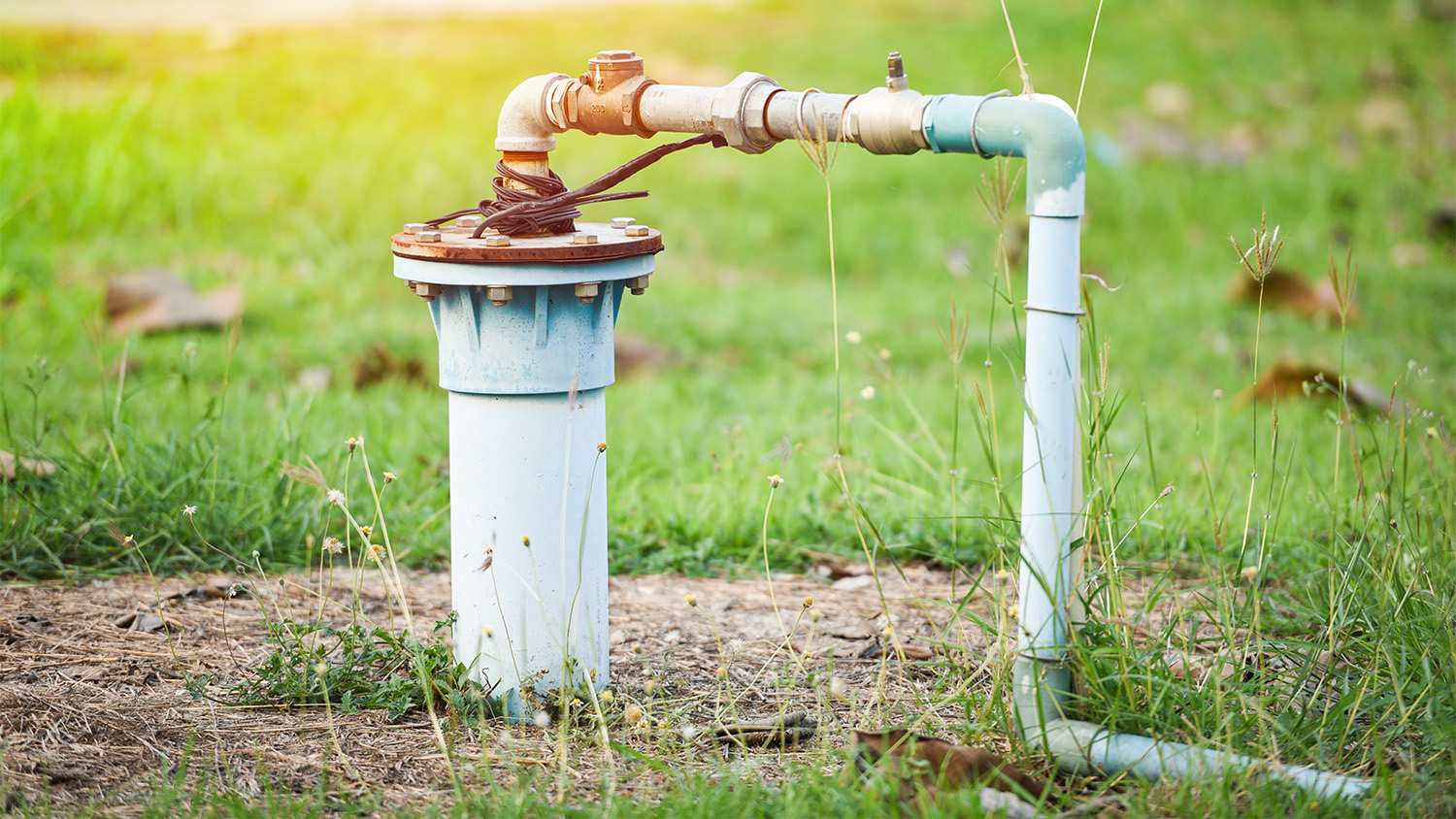
Learn how to hire a well pump installation company with expert tips on finding qualified pros, questions to ask, and what to expect from your project.
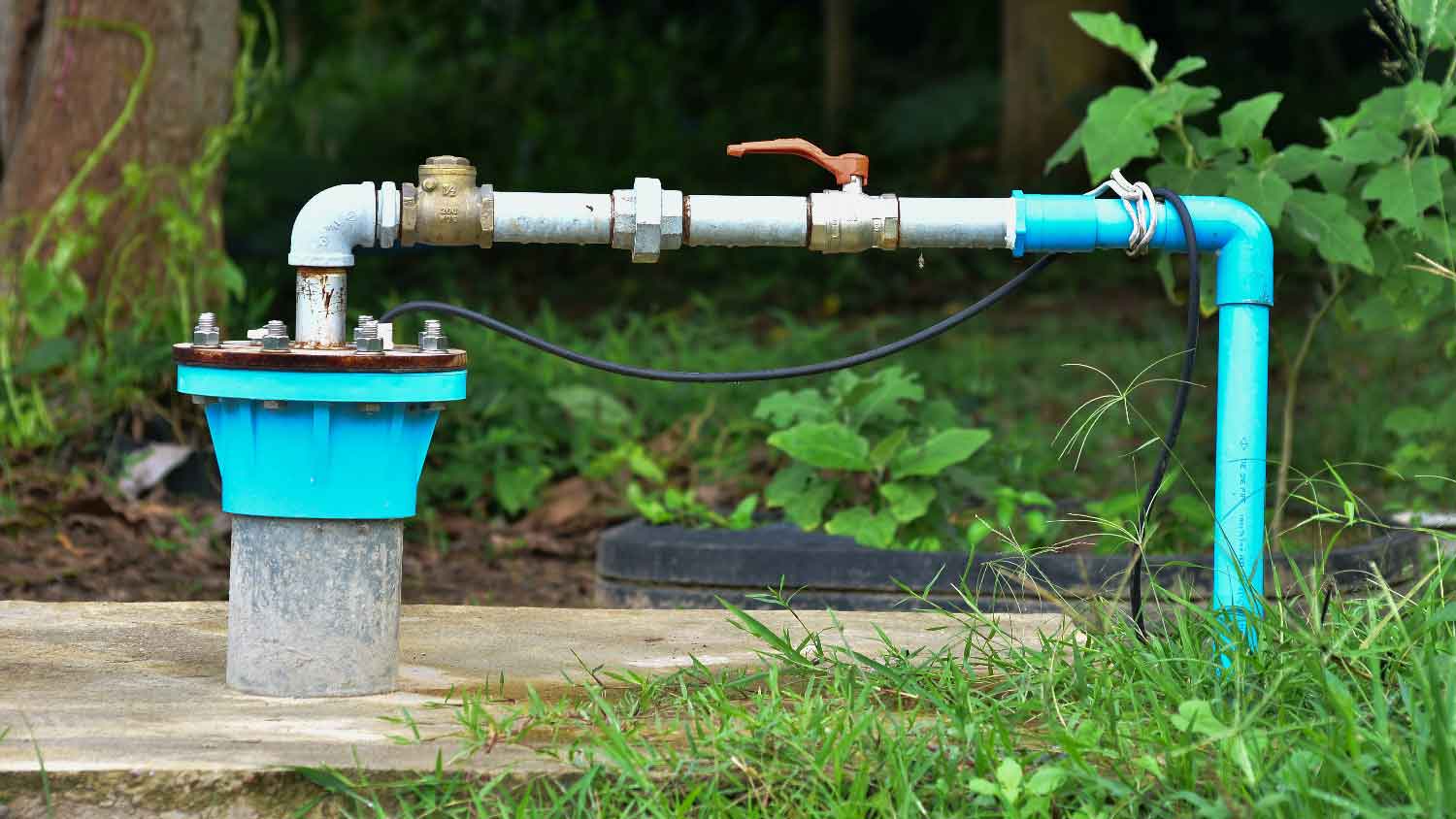
Who to hire well pump repair? Learn when to call a well contractor or plumber, how pros fix pumps, and get expert guidance.
Learn how to hire a well pump repair company with confidence. Find qualified pros, ask the right questions, and ensure safe, reliable water for your home.