
Faulty AC drip pans can lead to pesky leaks and improper home cooling. Find out how much AC drip pan replacement costs for your cooling system.
Don’t let cold temperatures burst your bubble or your pipes

Timing for dripping faucets in freezing weather depends on your home's insulation, with most insulated pipes freezing below 20 degrees and uninsulated pipes freezing at 32 degrees.
Power outages during freezing weather leave your pipes vulnerable, so drip your faucets immediately if you lose heat when temperatures drop below freezing.
You should drip one faucet in each area of your home, focusing on pipes near exterior walls, unheated spaces, basements, garages, attics, and crawl spaces.
Hiring a local plumbing professional provides reliable guidance on protecting vulnerable pipes and adding insulation to prevent freeze damage before winter arrives.
When winter rolls around, the sweaters and mugs of hot cocoa come out, but so does the risk of a burst pipe. When water freezes inside your home’s plumbing, it expands and can cause pipes to crack or burst. Luckily, dripping faucets during freezing weather can help prevent issues. This guide will help you figure out when to drip faucets and which faucets to drip for the best protection against winter weather.
The temperature at which pipes freeze depends on several factors, from the type of pipes (PEX has more freeze resistance than copper) to insulation and location. Most insulated pipes won’t freeze until temperatures fall below 20 degrees. Uninsulated pipes or pipes near the exterior of your home could freeze as soon as temperatures fall below freezing, which begins at 32 degrees.
As a general rule, drip your faucets when:
Temperatures fall below 32 degrees for at least four hours
Temperatures fall below 20 degrees for at least three hours
Your power goes out and temperatures are below freezing
Keeping an eye on the forecast and knowing the average winter temperatures where you live will help you decide when to drip your faucets.

Deciding which pipes to drip depends on the layout of your plumbing. You’ll want to drip one faucet in each area of your home. For example, you can drip one faucet on each level of a multi-story home, in your main living area, and extensions or extra wings.
That said, pay extra attention to pipes that are most likely to freeze. Check out your home plumbing and drip faucets that are connected to pipes in exposed areas like:
Unheated sections of your home
Exterior walls
Basements
Garages
Attics
Crawl spaces
If possible, choose faucets that allow you to control the hot and cold taps separately so you can ensure that both lines have adequate drip.

Again, the ideal number of faucets to let drip depends on your home’s plumbing. In addition to dripping one faucet in every area of your home, you’ll want to ensure every pipe in an exposed area is connected to a dripping faucet—including hot and cold lines.
If you live in a cold climate, winterize and cover outdoor faucets to help prevent ice buildup. Talk to a plumber if you’re unsure how of many faucets and outdoor spigots you should drip.
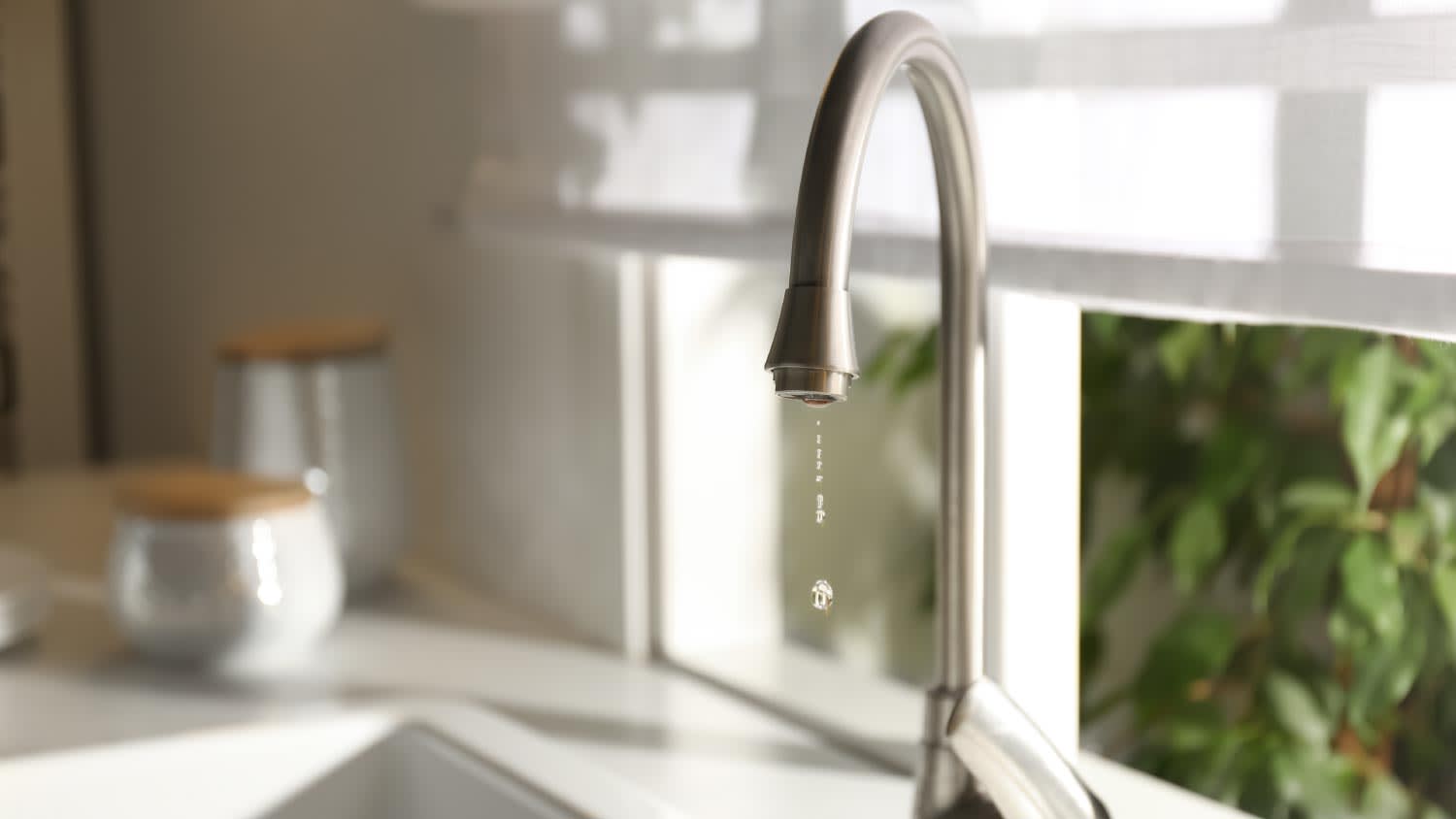
Learning how to drip faucets is simple: Aim for a small, steady drip (about one drip falling every three seconds).
You’ll also need to ensure you drip hot and cold water since the individual lines could freeze. If your faucet has two taps, drip both. If you have a single-handle faucet, like in most kitchens, make sure the water is set to an even mix of hot and cold to keep water flowing from both lines.
Once temperatures are consistently above freezing, you can stop dripping your faucets. Check the forecast and make sure that temperatures during the daytime and nighttime stay above 32 degrees.
In addition to knowing how to drip faucets during a freeze, there are a few other things you can do to keep your pipes from freezing:
Set the thermostat: Set your thermostat to a minimum of 55 degrees during the winter. Some homeowners try to save money by turning off their heating in certain rooms or when they’re away, which could cause pipes to freeze.
Open cabinets: Open cabinets and closets, especially those located near exterior walls, to allow warm air to circulate.
Use a space heater: If you’ve had issues with frozen pipes in the past, you probably already know the problem areas in your home. You can use portable space heaters near pipes that are most likely to freeze, especially if temperatures are particularly cold.
Shut off water: If you’re leaving for an extended period, you can turn off the main water supply to your home to prevent frozen pipes. Run your faucets to drain the pipes so there is no standing water that can freeze while you’re away.
Flush toilets: Regularly flush toilets with piping to exterior walls to promote the flow of water.
In the event of a plumbing emergency, it is critical to know the location of your water main shut-off valve in case you need to quickly stop water from flowing into your home. If you are unsure, a pro can help you locate the valve and show you how to operate it.

Call a plumber near you if you notice repeated issues from frozen pipes, such as blocked sinks, leaks, or unusually cold water. Certain pipes may require extra insulation or a swap, like replacing copper pipes with PEX.
Positive experience. As previously stated, the replacement/repair could not be completed (no fault of the plumbing tech) b/c misinformation was rec?d by property management maintenance. Thanks to the plumbing tech for your efforts. Appreciate you!
 The Waterworks
Finished Basements Plus was wonderful from beginning to end! First, they came out quickly for an estimate. I had 4 estimates and theirs was by far the best. (2 of the estimates were more than $20K higher than for the exact same work). Beyond their fair pricing, the work was excellent. They...
 Finished Basements Plus Inc.
If you want to pay the most exorbitant prices possible for your job, this is the company for you. “By the job” pricing is a rip-off, at least how these people use it. Every job is plugged into a category and prices are set by category. You might have a job that takes half an hour or one that...
 Benjamin Franklin Plumbing
Cole has been handling plumbing and general contracting for our four properties over the past three years, and he’s always done a great job. Most recently, he installed a sink and countertop in our retail store where none existed before, and it turned out exactly how we needed. He’s...
 ANB Renovations LLC
Matt is a consummate professional. The work turned out to be far more difficult than expected and rather than turn the job down, Matt rose to the occasion and completed a near impossible task. I can not recommend Greene's Plumbing Service more highly. On a scale of 1-5 I would give Matt a...
 Greene's Plumbing Service
Involved an extensive bathroom remodel, including removing tub & installing walk in shower, new drywall, custome tile work to ceiling, plumbing, etc. Overall, job was done on time and on budget. Nick & his team were very professional and had high attention to detail. Quality was great. Highly...
 Stamos Flooring and Remodeling LLC
Awesome company. Had a jacuzzi tub taken out and replaced with huge walk in shower with partial glass enclosure. Onyx to the ceiling with a decorative border, moved plumbing and installed hand held shower, new ceiling, flooring, and paint. Replaced window with glass block. Everything was done...
 Columbus Bath Design
The initial quoted price from a walk-through seemed high, but we discussed that the quote represented worst case scenario (re-wiring to two floors) and we were excited about the opportunity to have the work done in a timely manner with closing for fire safety reasons, etc. When the job was...
Initially, I called the Service People to have a leaking garbage disposal replaced. I had purchased a special deal through Angie's List: $79 for $200-worth of plumbing services. <br /> When I went to schedule the work, the earliest date I could get through Angie's List was after the upcoming...
This company did a very good job on the brick wall and it looks just amazing. The staff was always professional and was practically OCD on how the bricks were stacked and how they were laid. Although it took longer than expected, I am willing to sacrifice time over perfection anyday. The...
 My Handy Mate LLC Improvement & Remodeling
From average costs to expert advice, get all the answers you need to get your job done.
Faulty AC drip pans can lead to pesky leaks and improper home cooling. Find out how much AC drip pan replacement costs for your cooling system.
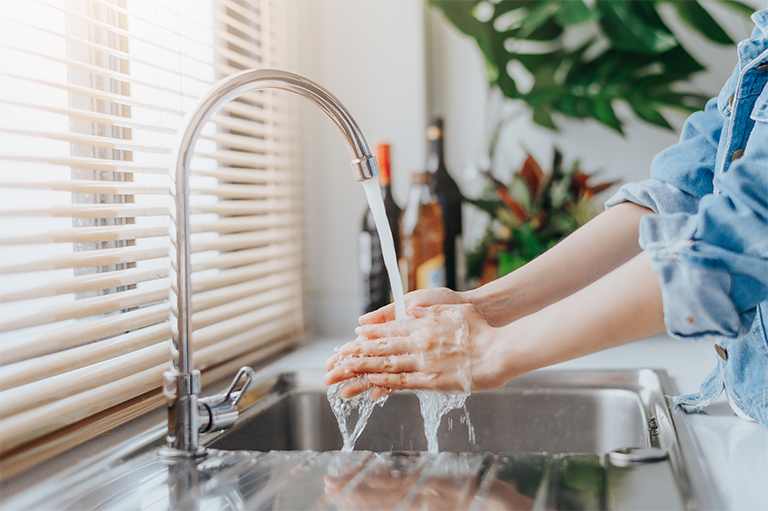
Your faucet plays a major role in your kitchen's overall design and functionality. Learn how much it costs to install a kitchen faucet based on brand, type, and city.
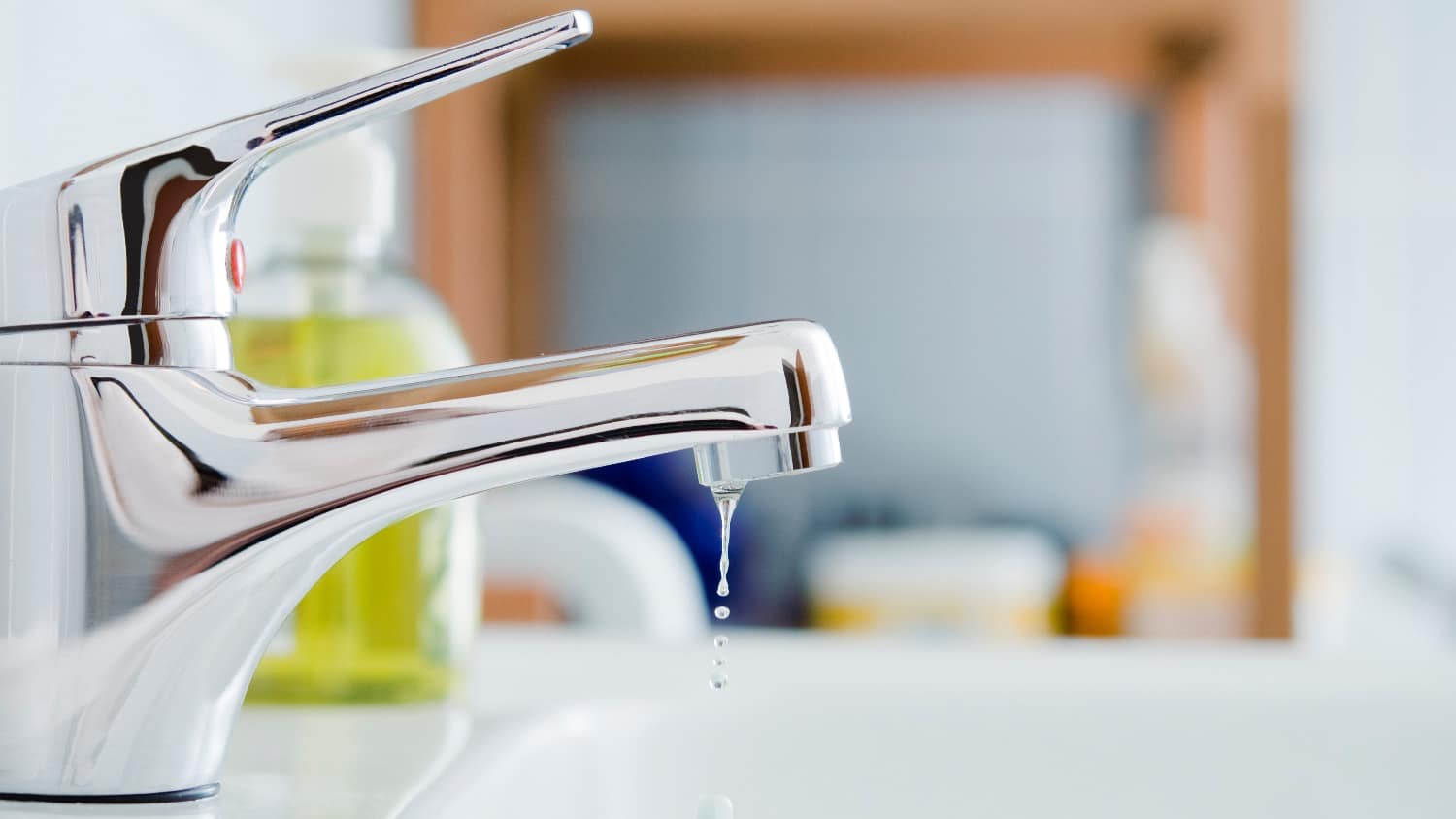
A dripping faucet can be more than just an annoyance—it can increase your water bill and cause damage. Learn why your faucet is dripping and how to fix it for good.
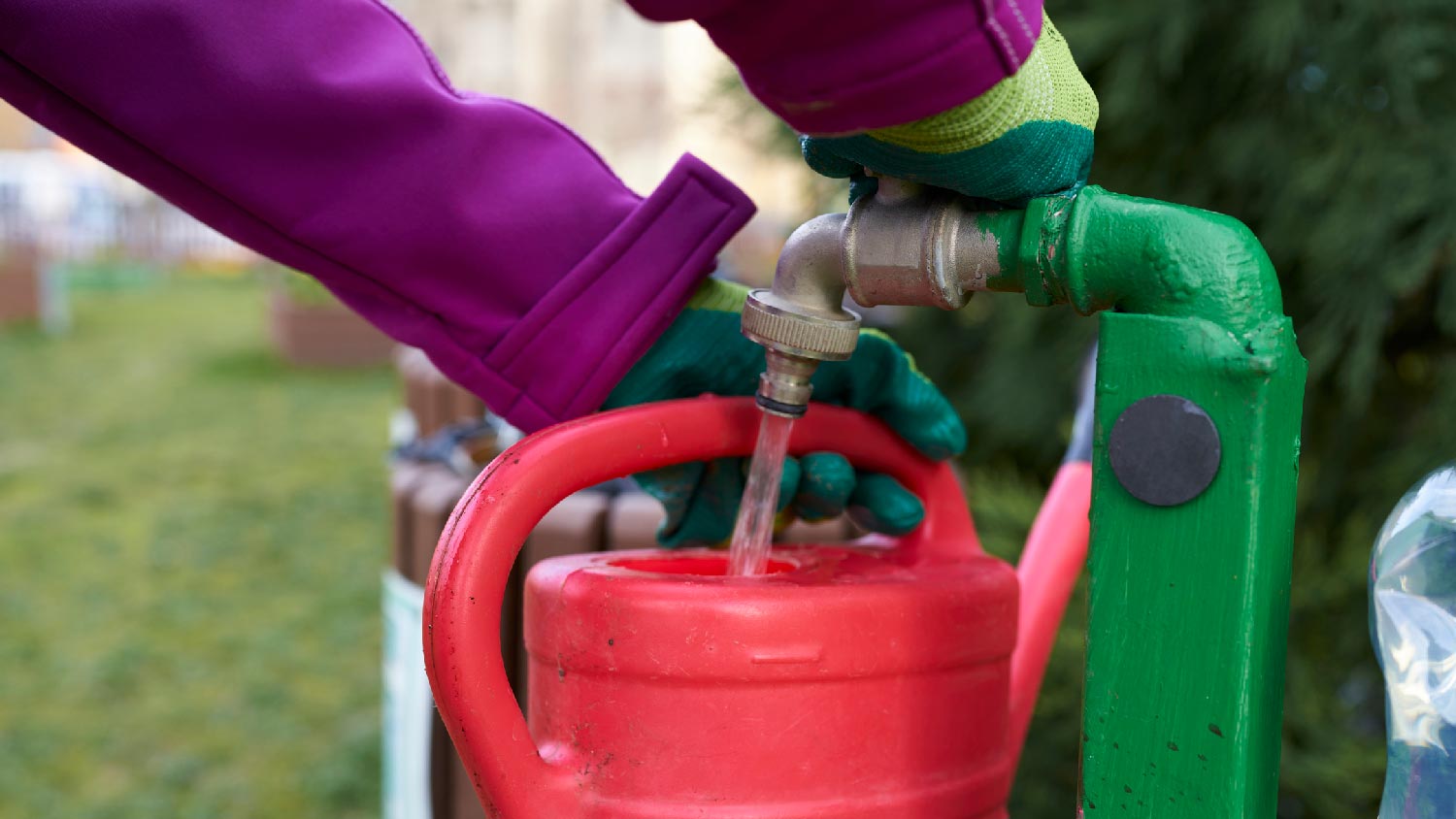
When temperatures dip, you’ll have to protect your pipes from freezing—but should you drip or cover your outdoor faucets? Let’s look at the facts.
Fixing a leaky faucet starts with knowing which type of faucet you have. Follow these steps to learn how to fix a leaky faucet in no time.
Dripping faucets can save your pipes—and wallet—during a cold winter. Learn how to drip your faucets and keep your pipes from freezing.